

Pet screening compliance is now essential for landlords and property managers striving to cut risk and follow housing laws in the pet-driven U.S. rental market. Whether you manage ten single-family homes or a multifamily property portfolio, understanding pet screening compliance helps not just protect your assets, but also boost tenant retention and revenue.
Key Takeaways
- Unauthorized pets and pet damage are the top compliance headaches for landlords, yet only 9% of pets actually cause damage—with an average cost of $191 per incident.
- Smart use of technology like PetScreening leads to a 30.7% boost in pet-related revenue and massive savings in legal/admin hours.
- Compliance is complex: clear documentation, ESA verification, and enforceable policies are crucial—yet most managers aren’t leveraging all available best practices.
- What is Pet Screening Compliance and Why Does it Matter?
- How to Achieve Pet Screening Compliance: Step-by-Step Guide
- Advanced Analysis & Common Pitfalls
- Conclusion: The Bottom Line on Pet Screening Compliance
- FAQ
What is Pet Screening Compliance and Why Does it Matter?
Pet screening compliance means having clear, enforceable rental pet policies and a proven system for vetting, tracking, and managing pets and assistance animals in rental housing. In today’s rental landscape, with 68% of property managers now calling their portfolios “pet-friendly,” the absence of rock-solid compliance exposes landlords to legal headaches and costly pet damages. On the flip side, well-run pet screening can drive higher rental income, lower vacancy, and boost resident satisfaction—nearly half of multifamily operators are seeing this right now.

Pet screening for landlords goes beyond pets alone. It also means carefully handling service and emotional support animals (ESAs) to avoid Fair Housing violations—one of the fastest-growing lawsuit areas in property management.
As more Americans adopt pets (81% of operators report pet ownership is still rising), the stakes are higher than ever for property owners who must navigate between risk management and a pet-positive experience. That’s why pet screening compliance matters: missteps can mean damaged units, lawsuits, lost tenants, and more lost revenue.
How to Achieve Pet Screening Compliance: Step-by-Step Guide
Most compliance failures come from unclear policies, weak screening, and slow enforcement. Here’s a step-by-step, actionable framework any property manager or landlord can use to achieve pet screening compliance—and do it efficiently:
-
Draft or revise your pet policy document.
State clear rules for allowed pets, breeds, weight/size limits, documentation, and what is (and isn’t) permitted. If you’re unsure, use a free pet policy template for landlords. -
Make screening mandatory—from application to renewal.
Every pet and animal (not just dogs and cats) must have a profile including vet records, behavior reports, and identity checks. See step-by-step process tips in our pet screening process guide. -
Verify documentation and vaccination records.
Only accept recent, official documents. If you need a full checklist, use this pet screening documents checklist for fast, accurate approvals. -
Screen emotional support animals (ESAs) and service animals separately.
Require compliant ESA letters, and never ask questions not allowed by law. Learn how to avoid costly errors with the pet screening ESA guide. -
Collect all fees and deposits in advance.
Use digital payments to streamline this step and keep records air-tight. For fee insights, see our pet screening cost guide. -
Renew and rescreen annually—or with every lease change.
Policies and pet ownership can change mid-lease. Automate reminders and require updated documentation to stay compliant. -
Respond quickly to unauthorized pets or violations.
Use software or site visits to document compliance checks. Provide warnings, penalties, or legal action according to your policy. For tougher enforcement, digital platforms can help log every incident.
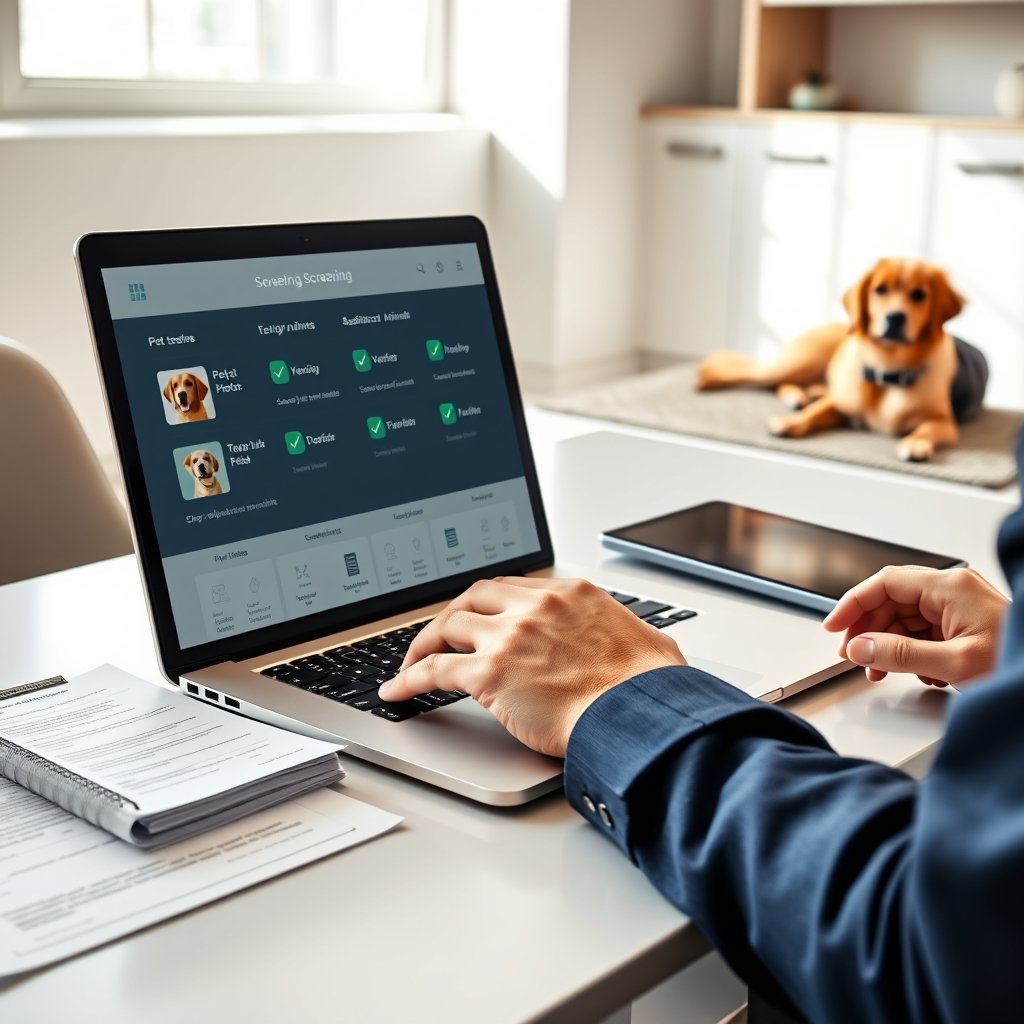
To maximize value and minimize hassle, consider integrating your screening with other smart systems—pet screening software automates renewals, reminders, documentation storage, and even integrates with payment and property management tools.
Want to see results? PetScreening clients reported a 30.7% revenue boost and dramatic reductions in staff time spent on ESA requests—over 1.3 million administrative hours saved in a year.
If you’re a tenant, maximize your chances with a complete pet resume—see pet resume template for an instant head start.
Advanced Analysis & Common Pitfalls
Even veteran landlords get tripped up by these compliance traps. Here’s what to watch for—and why “pet-friendly” often means “risk-exposed” if processes break down:
- Unauthorized pets: The #1 reported challenge, often a result of weak move-in checks or vague lease language. This leads to fairness complaints, tenant disputes, and sometimes litigation.
- ESA confusion and Fair Housing risk: Handling emotional support or service animal requests incorrectly can expose you to costly lawsuits. Always stick to HUD/Fair Housing rules and use tools with built-in ESA verification workflows.
- Incomplete pet documentation: Missing vaccination records leave you open to injury or liability if an incident occurs. Always require and update proof.
- No clear enforcement mechanism: If your lease lacks details for dealing with violations—penalties, timelines, escalation—your policy is nearly worthless in court.
- Lack of renewal/rescreening: Many owners never rescreen after move-in, only to discover new or changed pets months (or years) later.
- Hidden costs: The average incident of pet damage is $191—but untracked incidents and uncontrolled unauthorized pets multiply this quickly. Meanwhile, screening technology costs are negligible compared to these damages or lawsuits.
| Pitfall | Consequence | Prevention |
|---|---|---|
| Unauthorized Pets | Fee revenue loss, possible legal claims, increased damage risk | Mandatory pre-move-in and random spot checks |
| Improper ESA Handling | Fair Housing lawsuits, fines | ESA verification by specialty platform (e.g., PetScreening) |
| No Annual Rescreening | Tenant adds pets without your consent, ongoing risk | Automated annual reminders & renewals |
| No Pet Policy Penalties | Difficulty evicting or fining non-compliant tenants | Written penalties in lease, enforced with digital logs |

Another commonly overlooked risk: Most landlords don’t compare platforms. Only PetScreening is mentioned in top research, but for the best outcomes, compare pet screening services for features, user ratings, and integration options.
Further reading: If you’re interested in emerging trends, check our Home Improvement Trends guide for landlords who want to maximize units’ appeal to pet owners.
Conclusion: The Bottom Line on Pet Screening Compliance
Rental pet policies are rapidly evolving, but the fundamentals of pet screening compliance never change—clarity, enforcement, and smart use of technology. With unauthorized pets as the top challenge and Fair Housing risk looming over every ESA request, landlords must stay vigilant and proactive. Implementing solid pet screening compliance systems not only protects your property but also unlocks higher revenue and greater tenant satisfaction.
Ready to take control of your compliance process? Explore essential guides like our Pet Screening Landlord Guide or get started today with our Pet Screening Application Guide. Don’t wait until you face a lawsuit or costly damage—get compliant, and stay ahead.
Still have questions? See below:
FAQ
What does pet screening compliance mean for landlords?
It means verifying every pet—plus any assistance or emotional support animals—meets your rental criteria, provides health/vet documents, and has permission before move-in. It also requires tracking and enforcement throughout the lease.
Can tenants be denied for assistance animals under pet screening compliance?
No. Under Fair Housing law, properly verified assistance animals must be accommodated even if you have a “no pets” policy. However, documentation can be (and must be) verified for legitimacy—see pet screening ESA guide for more.
How much does pet screening cost and who pays for it?
Costs vary by software and policy. Screening fees are commonly paid by tenants; technology fees may be borne by landlords. For details and strategies to reduce out-of-pocket costs, see our pet screening fee guide.
What is the biggest compliance mistake landlords make?
Failing to distinguish between pets and assistance animals—leading to Fair Housing liability—or not enforcing policy consistently. Both can have serious financial/legal consequences.
Are there best practices for verifying ESA and service animal requests?
Yes—always use platforms that securely verify both documentation and provider credentials. Manual review often misses key red flags. Read our actionable ESA verification for housing guide for a step-by-step breakdown.