

### Blog Post:
Pet verification software is quickly becoming essential for landlords, property managers, and renters navigating today’s pet-friendly rental market. This guide cuts through the hype and gives you a direct look at what these tools are, how they actually work, and what to watch out for if you’re thinking about using them.
Key Takeaways
- Pet verification software simplifies pet approvals, helps landlords mitigate risk, and speeds up the rental process.
- Not all platforms are equal—features, data security, and user experience can vary, so compare carefully before adopting one.
- Common pitfalls include privacy concerns, unclear breed/size restrictions, and hidden costs for renters.
- What Is Pet Verification Software and Why Use It?
- How to Use Pet Verification Software: Step-by-Step Guide
- Advanced Analysis & Common Pitfalls
- Conclusion
- Frequently Asked Questions
What Is Pet Verification Software and Why Use It?
At its core, pet verification software is an online platform that automates the process of checking, approving, and documenting pets (and their owners) for rentals. These solutions aim to protect property managers from property damage, liability, and fraudulent pet documentation, while making it easier for responsible renters to prove their pet’s eligibility. With rising pet ownership—now at over 58% of renters—the need for faster, safer screening has never been greater.

The benefits go both ways. Landlords weed out potential risks and streamline compliance reporting. Renters, in turn, encounter fewer paper hoops and get clear instructions on documentation. Note, however, that “pet-friendly” doesn’t always mean “pet-inclusive”—many listings still have strict breed and weight rules (source).
These tools often integrate with background checks, rental applications, or ID verification, and can provide a digital pet profile—think of it as a “resume” for your dog or cat. For a deeper explanation, see this breakdown of what pet screening is.
How to Use Pet Verification Software: Step-by-Step Guide
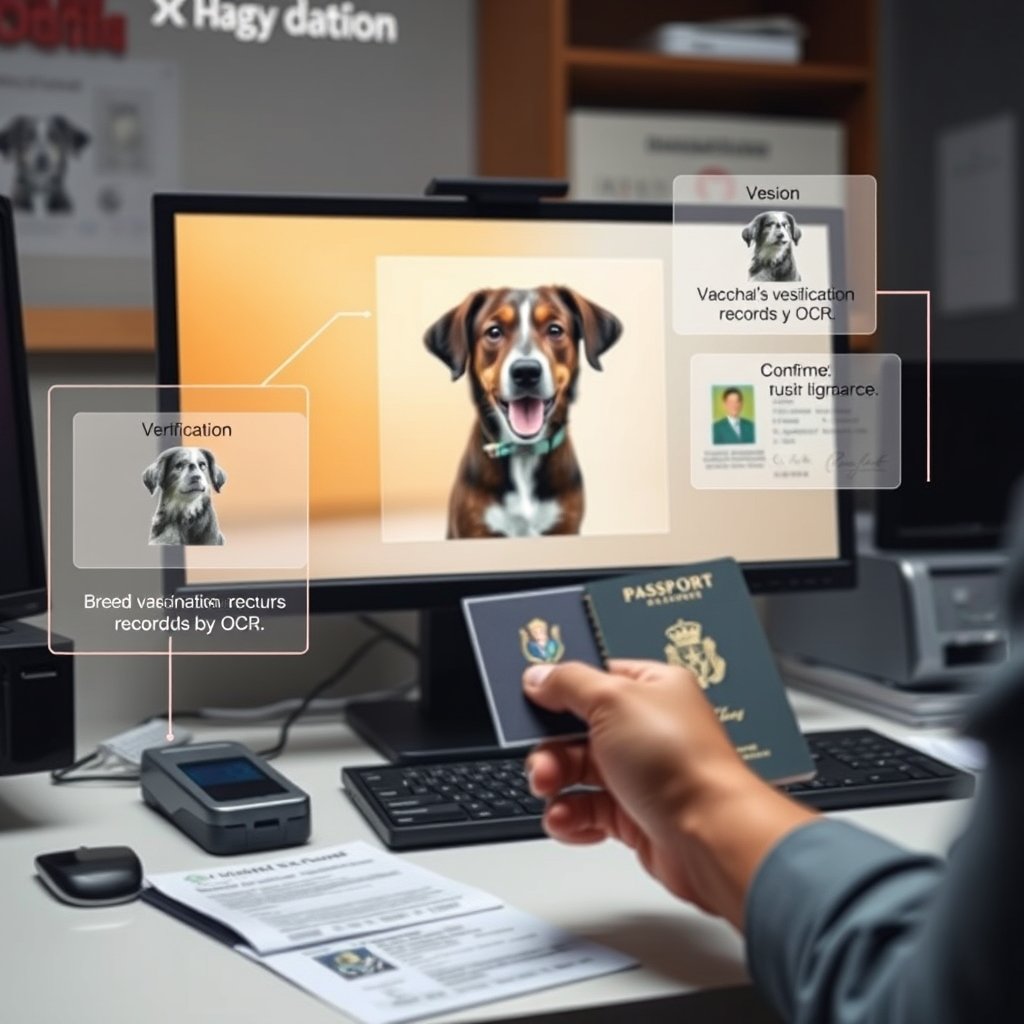
Getting started with pet verification software doesn’t have to be complicated. Here’s a realistic step-by-step process that covers the essentials for both landlords and renters:
- Landlord sets up requirements: The property manager or owner configures the platform—choosing required document types (vaccination records, breed info, behavior history), plus any breed or weight restrictions. Check out our guide on landlord pet policy best practices for tips.
- Renter or applicant receives invite: The applicant gets an email or link, usually embedded in the apartment application.
- Pet owner builds pet profile: The renter uploads pet documents, a photo, and enters data (name, age, breed, weight).
- Platform analyzes data: The system checks vaccination status, breed restrictions, and may run a pet background check. Some even connect to national vet databases or registries.
- Review and approval: Landlords view the completed digital pet profile and either approve, request more details, or reject based on the policies.
- Compliance reporting: All records are stored for audits and owner/tenant disputes. Many platforms also integrate with rental CRMs or property management systems for easier record-keeping.
If you get stuck, most top platforms offer help articles or customer support chat. For complex situations (like service or ESA animals), consult detailed guides like this on ESA verification for housing.
Landlords looking to streamline approvals should also see our rundown of leading pet screening software.
Advanced Analysis & Common Pitfalls
Not all pet verification software works the same—and there are some drawbacks to consider. Here are the issues that matter most, with direct links to help you address them:
| Challenge | Reality Check | Actionable Fix or Resource |
|---|---|---|
| Privacy concerns | Some platforms lack transparent data retention or security protocols. No universal data standard yet. | Always review privacy policies and look for GDPR/CCPA & data security certification. See pet verification process steps. |
| Hidden breed or weight restrictions | “Pet-friendly” often excludes certain breeds or pets over a set weight. Many renters find this confusing. | Check the property listing details and refer to our guide on breed restrictions. |
| Unclear or sudden fees | Extra setup, recurring, or per-pet charges may appear late in the process, and costs vary a lot by platform. | Ask for a full fee breakdown upfront. See a full analysis of pet screening costs. |
| Poor support and slow review times | If support is email-only, document review can drag. Some platforms stall if a document is missing or outdated. | Prioritize platforms with live chat or 24/7 support. Prepare all required documents in advance. |
| Inconsistent compliance standards | Some platforms don’t update rules in sync with housing law changes, risking legal hassles for landlords. | Stay current with laws—our pet screening law guide helps. |
Many platforms are still evolving—make sure the software you choose is transparent about its features, secure with your data, and clearly integrates with your broader rental workflow. For a detailed comparison and software picks, use this pet screening service comparison.

Conclusion
Pet verification software is changing how pet owners and property managers approach rentals. It speeds up approvals, improves documentation, and reduces risk—but only if you pick the right platform and stay alert to potential downsides. As demand for pet-friendly rentals keeps growing, expect the landscape to evolve even further.
If you’re ready to try pet verification software, start by reading all policy details and prepping your pet profile. Landlords should compare features and review compliance and data security standards. Investing in a smarter, streamlined process could make your next rental faster, safer, and more transparent for everyone involved.
Want more tips? See our guides on what pet screening is, how pet verification services work, or creating a strong pet profile for rentals.
Make sure your next move with pet verification software is a smart one—get prepared, stay informed, and protect both pets and properties.
Frequently Asked Questions
Do all rental properties use pet verification software?
No. While its use is growing, especially in large or institutional apartments, many small landlords still handle pet checks manually. If you’re unsure, ask the property manager directly.
Is my pet data safe when using these platforms?
Data security standards vary. Always check the software’s privacy policy and look for platforms with encryption and GDPR/CCPA compliance if privacy is a top concern.
What documents will I need to provide?
Typical requirements include vaccination records, a pet photo, vet reference, and sometimes a behavior history report. For a full checklist, see this documents checklist.
How long does the pet verification process take?
If all documents are ready and rules are clear, approval can happen in 1-3 days. Delays happen most often when applicants submit incomplete uploads or run into unclear restrictions.
Can I appeal if my pet is declined?
Most platforms allow you to update documents or provide additional info if your pet is rejected for missing paperwork or incorrect details. Challenging breed or weight restriction denials is usually only possible if there’s a legal or medical exception (like a service animal).
—