

### Blog Post:
Pet screening timeline is one of the most overlooked factors for renters and landlords who want a smooth move-in and property protection. Understanding how long pet screening really takes—and what can speed it up or bog it down—can help you avoid frustrating delays, save money, and improve your rental experience whether you’re bringing a pet or screening tenants.
Key Takeaways
- Most pet screenings for rentals take a few days to a week, with no federally mandated timeframe.
- Delays happen due to missing documents, unclear policies, tenant pushback, or additional behavioral checks.
- Technology can streamline timelines, but costs and experiences still vary by property management approach.
- What Is Pet Screening Timeline and Why Does It Matter?
- How to Navigate the Pet Screening Timeline: Step-by-Step Guide
- Advanced Analysis & Common Pitfalls
- Conclusion
- Pet Screening Timeline FAQ
What Is Pet Screening Timeline and Why Does It Matter?
Pet screening timeline refers to how long it takes for a landlord or property manager to review and approve a renter’s pet application, from the moment paperwork is submitted to final approval or denial. This timeline isn’t standardized—some companies use advanced pet screening software to make it fast, while others handle it manually, which takes longer.
For most renters in 2024, the process averages a few days to a week, but it can be much longer if things go wrong. There’s no federal or state law dictating the maximum screening duration, which means it can vary widely based on landlord preferences, document completeness, pet behavior, or compliance checks.
Why does this matter? Extended pet screening timelines often hold up move-in dates, create stress for both renters and landlords, and may even lead applicants to walk away—especially if a coveted apartment hangs in the balance or a pet’s approval is uncertain. Knowing what’s typical and what causes slowdowns lets everyone plan better.

How to Navigate the Pet Screening Timeline: Step-by-Step Guide
Getting approved with a pet shouldn’t feel like a guessing game. Here’s how landlords and renters can work together to keep the pet screening timeline as short—and drama-free—as possible.
- Read the Pet Policy Carefully. Each landlord may have different breed, size, or age restrictions. Review these upfront to avoid instant disqualification or wasted time.
- Want more tips? See our Landlord Pet Policy Guide for drafting or reviewing fair, clear pet rules.
- Prepare All Required Pet Documents in Advance.
- Most applications require proof of vaccinations, spay or neuter certificates, pet resumes, vet references, and sometimes behavioral assessments. Use a pet screening checklist to make sure nothing is missing.
- Download a pet resume template to show off your pet’s best qualities and history.
- Submit a Complete Pet Application Online.
- Many landlords now use online platforms like PetScreening.com to streamline this process and avoid lost paperwork.
- Incomplete applications are the number one reason timelines get stretched out.
- Respond Quickly to Follow-Up Questions or Additional Requests.
- If a landlord asks for more details or additional documentation (such as updated vaccination records or a landlord reference), aim to provide it within 24 hours.
- Schedule and Prepare for Any Necessary behavioral assessments.
- Some cases require in-person meetings or video calls to assess the pet’s temperament. Be flexible but prompt with scheduling.
- Pay the Applicable Screening Fee.
- Fees usually range from $20 to $35 per pet, paid either to the landlord or a screening platform. (More on fees in our pet screening cost guide.)
- Wait for Official Approval or Denial.
- Communication timelines vary. Some companies send updates daily, while others reply only once the decision is final.
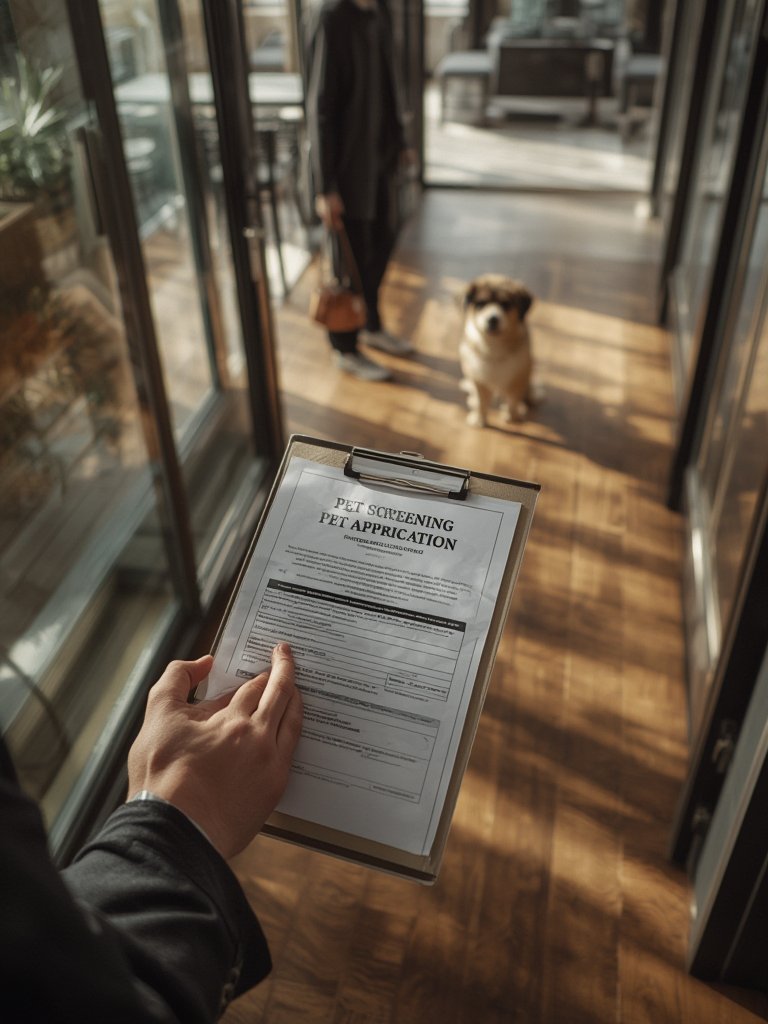
By keeping communications clear and documentation thorough, most pet screening timelines stay closer to the “few days” end of the range instead of dragging out for a week or more.
For specialized properties (like pet-friendly apartments), check out our dedicated guide: Pet Screening Apartment: 7 Best Ways to Get Approved (Proven Guide).
Advanced Analysis & Common Pitfalls
While top pet screening services and proactive communication promise a smooth experience, there are still common bottlenecks and industry pain points that most high-ranking competitor articles skip over. Here’s what really happens in practice—and the risks to watch for:
- Missing or Outdated Vaccination Records: This is the most frequent reason for screening slowdowns. Some states or localities have different vaccination requirements, and last-minute scrambles for records will stall approvals.
- Confusing or Inconsistent Pet Policies: If landlords don’t clarify breed, size, or pet quantity restrictions upfront, renters waste time applying and then get denied late in the process.
- Poor Pet Behavioral History: Negative references from previous landlords or flagged risk behaviors may prompt requests for extra assessments or even denials, especially if the applicant feels the policy is unfair or inconsistent with insurance guidelines.
- Administrative Overload: Manual reviews, unclear workflows, or missing technology often force landlords to chase paperwork, call references, and check compliance standards by hand. This often adds days to the process compared to automated services like PetScreening or other third parties.
- Lack of Response or Tenant Pushback: Renters sometimes perceive the process as invasive, unnecessary, or a barrier to pet-friendly living. The result: incomplete applications, missed calls, or abandoned units.
- Uncertainty Around Fair Housing Rules: For service animals or emotional support animals, extra review is often required. There are no clear timeline requirements and uncertainty about what documentation is adequate can create back-and-forth delays. Get the facts in our Pet Screening Laws: Master Compliance Guide.
| Problem Area | Timeline Impact | Actionable Fix |
|---|---|---|
| Missing Documents | +2 to 5 days | Provide a checklist and require digital uploads |
| Behavioral Questions | +1 to 7 days (extra checks) | Request landlord or vet references up front |
| Manual Admin | +2 to 5 days | Adopt online screening platforms |
| Fair Housing Compliance | No fixed limit, delays for clarifications | Use published ESA/service animal checklists |
For an in-depth process overview, see Pet Screening Process: 5 Best Ways to Improve Compliance. To streamline timelines and minimize hassle—whether applying or reviewing—consider leveraging dedicated pet screening platforms and following detailed guides, like our Pet Approval for Rental: 7 Best Ways To Secure Approval.

Conclusion
The pet screening timeline usually ranges from just a few days to a full week, but missing paperwork, unclear policies, or manual processes can drag it out far longer. Technology is speeding up decisions, yet real delays often come down to human error or lack of preparation. By getting documents in order, communicating proactively, and using proven guides—like our Pet Screening Best Practices—you can cut down wait times, avoid unnecessary stress, and make the process straightforward for everyone involved.
Ready to improve your experience? Download a checklist, review your paperwork, and open a dialogue with your landlord or property manager today. A smoother pet screening timeline is within your control—act now for faster approvals.
Pet Screening Timeline FAQ
How long does the typical pet screening timeline take?
Most rental pet screenings are completed in three to seven days, provided all documents are in order. However, delays occur if follow-up is needed, so start early and respond quickly.
What common factors slow down pet screening approval?
Missing vaccination records, incomplete applications, unclear pet policies, and the need for behavioral checks can all add days to the approval process. Using a checklist helps prevent most delays.
Are there legal maximums for pet screening turnaround times?
No federal or state laws set a maximum duration for pet screening approval. Timelines are up to the landlord or management company. However, service and support animals may require extra Fair Housing documentation reviews.
Do all landlords charge pet screening fees, and how much?
Not all landlords charge a pet screening fee, but most do if they use third-party platforms. Fees typically range from $20–$35 per pet—find more details in our Pet Screening Fee Guide.
Can technology speed up the pet screening process?
Yes. Services such as PetScreening.com and digital upload tools help reduce manual errors, streamline communication, and can approve pets within a few days when all requirements are met.
—