

### Blog Post:
Pet screening application guide is a must for renters and landlords navigating today’s competitive rental market. Whether you’re trying to secure a pet-friendly lease or filter out property risks, mastering the pet screening process is essential.
Key Takeaways
- Pet screening is now standard in many rentals, driven by growing pet ownership and the need to reduce unauthorized animal risks.
- Incomplete applications, missing documents, and underreported pet ownership are frequent hurdles for both renters and operators.
- Knowing what documentation, fees, and approval timelines to expect gives you a real advantage—careful preparation saves money and time.
- What Is a Pet Screening Application Guide?
- Step-by-Step Pet Screening Application Guide
- Advanced Analysis & Common Pitfalls
- Conclusion
- Frequently Asked Questions
What Is a Pet Screening Application Guide?
A pet screening application guide explains how landlords and renters evaluate, document, and gain approval for pets in rental housing. It outlines requirements, typical workflows, and tips to avoid common mistakes or delays. Rising pet ownership—now estimated at over 180 million pets in the U.S. according to Volition Capital—has made screening policies critical for both parties. Operators are seeing an increase in pet-related challenges, particularly undisclosed and unauthorized animals, making standardized processes more important than ever.

Why is pet screening so important? Proper screening balances the demand for pet-friendly rentals with landlord risk management. Done thoroughly, it protects against unauthorized pets, property damage, and legal problems, while genuinely pet-friendly properties enjoy higher occupancy and rental retention as highlighted by the 2024 State of Pets in Housing Report. A robust pet screening policy can speed up tenant approvals, provide legal compliance, and help maintain property value.
If you want in-depth best practices, see our guide on pet screening for a complete overview.
Step-by-Step Pet Screening Application Guide
Getting approved for a pet-friendly rental or managing pet applications as a landlord involves several steps. Here’s how modern digital platforms like PetScreening typically work, plus key tips for success.
-
Understand the rental’s pet policy
Read the property’s pet screening requirements and restrictions. These might include breed, weight, vaccination, or age limitations. Learn more specifics at our pet screening requirements resource. -
Register your pet on the platform
Platforms like PetScreening require you to enter details like species, breed, color, weight, age, and microchip number if available. Upload clear photos and documentation. -
Upload mandatory documents
Most platforms require proof of current vaccinations, spay/neuter certificates, license info, and (sometimes) behavioral history. For a full list, see our pet screening documents guide. -
Pay the pet screening fee (if required)
Fees vary but are typically $20–$30 per pet. For advice on cutting costs and understanding fee structures, check our pet screening fee resource. -
Complete behavioral assessment questions
Some applications include questions about your pet’s training, socialization, bite history, chewing, or noise issues. Be honest and thorough. -
Review community-specific rules
Some properties have breed or size restrictions, especially for dogs. Check details at our pet screening breed restrictions page. -
Submit and track your application
After you upload everything, applications are reviewed. You may get questions or a request for more documentation.
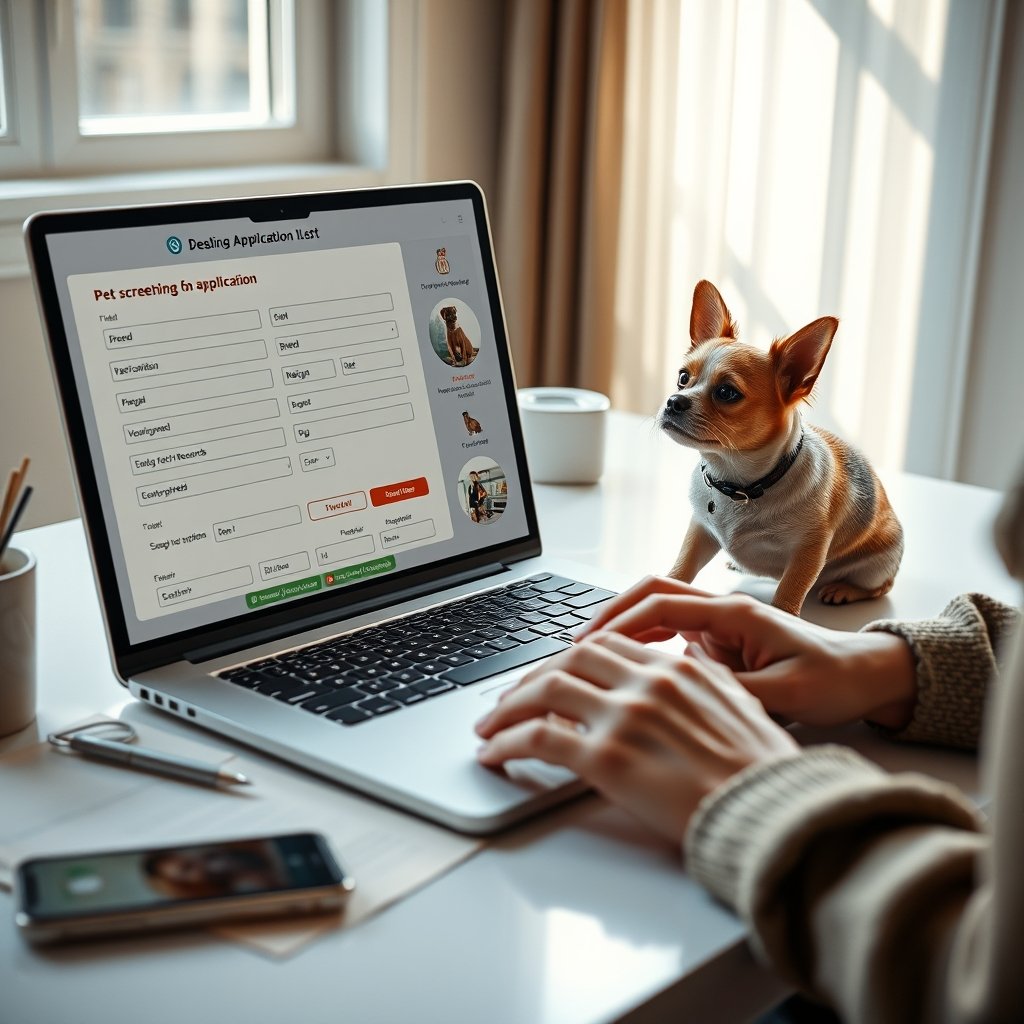
If you’re a landlord or property manager, compare platform options or learn how to automate compliance in our pet screening services comparison.
Important: Approval timelines can range from hours to several days. For faster results, make sure your documents are complete and photos are clear. In some markets or with emotional support animals (ESAs), screening is handled without fees or with separate federal compliance steps—see our pet screening ESA guide for more.
Advanced Analysis & Common Pitfalls
The pet screening process offers higher leasing rates, better retention, and more tenant transparency—when done right. It’s also full of potential mistakes, especially if you skip steps or misunderstand requirements.
Top Issues for Landlords and Renters
- Unauthorized Pets: The top frustration for onsite teams; undisclosed animals lead to revenue loss, legal risks, and even evictions. Source.
- Incomplete or Incorrect Applications: Missing info, blurry photos, or lost paperwork are common reasons for rejection or delayed approval.
- Underreported Pet Ownership: Only 43% of renters report pets on applications—well below national household averages, meaning properties may have more pets than they realize. Source.
- Breed, Weight, and Policy Confusion: Each landlord and city has different rules. Not checking these ahead of time causes last-minute denials.
- Fee and Documentation Surprises: Renters are often caught off guard by screening costs or requests for hard-to-find records. For breakdowns see our pet screening cost guide.
- Delayed Communication: Failing to quickly respond to review requests leads to stalled or denied applications.
| Problem | How to Avoid | Related Resource |
|---|---|---|
| Unauthorized Pets | Require screening for all pets. Audit regularly. | Pet Screening for Landlords |
| Incomplete Application | Use a checklist before submission. | Pet Screening Checklist 2024 |
| Fee Surprises | Review costs before applying. | Pet Screening Cost Guide |
| Policy Confusion | Read pet policy and ask for clarification. | Landlord Pet Policy Guide |
Downsides: Pet screening is not perfect. Approval fees can be a barrier, there are no national documentation standards, and processing times and outcomes vary by platform and community. Data gaps, like lack of transparency on approval rates or fee variations by city, make it hard to plan. If in doubt, get support from your rental platform or expert guides like pet screening mistakes to avoid.

Conclusion
A strong pet screening application guide gives both renters and landlords the tools to secure approvals and reduce risks. By understanding the process, gathering the right documents, and preparing up front, you can transform the pet screening experience—avoiding common traps and speeding toward approval. Stay up-to-date with requirements and leverage trusted resources for best results.
Start your next rental journey with confidence by following this pet screening application guide. Ready for faster approval? Review your documents, check fee schedules, and apply with clarity today.
Frequently Asked Questions
What documents do I need for a pet screening application?
Common requirements include vaccination records, spay/neuter certificates, proof of local licensing, clear pet photos, and sometimes reference letters or training certificates. For a full rundown, visit our pet screening documents guide.
How much does pet screening cost on average?
Fees typically range from $20–$30 per pet, but costs vary by location and platform. Some properties waive the fee for emotional support animals. Check our pet screening fee guide for details.
How long does it take to get approved?
Digital screenings can be completed in a few hours if all documents are ready, while in-person or manual checks may take several days. For tips to speed up the process, read our pet screening timeline guide.
What if my pet is a restricted breed?
Check community policies before applying. Some apartments ban certain breeds or sizes outright. If in doubt, use our guide on pet screening breed restrictions to review your options or appeal decisions.
Are emotional support animals (ESAs) or service animals screened the same way?
No. ESAs and service animals have separate legal protections under federal law. Most platforms request documentation of your ESA or service animal but cannot charge standard fees or deny you solely because of breed or size (within legal limits). See our ESA guide for more.