

Pet screening software is now essential for landlords and property managers who want to protect properties, streamline lease compliance, and maximize pet-related income in today’s rental market. If you rent out homes or apartments, the right platform automates pet policies, prevents unauthorized pets, and simplifies regulatory headaches – but not all solutions are equal. Here’s how to get real results and avoid the most common pitfalls with pet screening software in 2024.
Key Takeaways
- Pet screening software now covers over 7 million US rental units, automates compliance, and has helped managers recover nearly $300 million in pet revenues.
- The biggest pain points remain unauthorized pets and the time/resource burden of fair housing accommodation reviews; leading platforms offer free core tools but lack transparent competitor pricing.
- Integrating with your property management system streamlines onboarding, but inadequate policy settings and weak enforcement are common ways landlords lose control & cash.
- The Core Concept: What Is Pet Screening Software & Why Is It So Critical?
- Step-by-Step Guide: How to Implement and Optimize Pet Screening Software
- Advanced Analysis & Common Pitfalls: Where Pet Screening Software Fails and How to Avoid Mistakes
- Conclusion: Is Pet Screening Software Worth It in 2024?
- FAQ: Pet Screening Software for Landlords and Managers
The Core Concept: What Is Pet Screening Software & Why Is It So Critical?
Pet screening software is a digital solution used by property managers and landlords to automate the screening, documentation, and ongoing compliance of pets and assistance animals in rentals. In 2024, this technology is no longer a novelty. PetScreening alone now covers more than 7 million rental units nationwide, having processed over 3.5 million pet profiles and enabled landlords to recapture nearly $300 million in pet-related revenue since its 2017 launch.[source] The reasons for this explosive growth are simple:
- Unauthorized pets are the #1 headache, leading to damage, neighbor disputes, and lost income.
- All landlords must legally process disability accommodation requests under HUD fair housing guidelines, which is complicated and time-intensive.
- Traditional enforcement is manual, inconsistent, and legally risky—automated software delivers standardized, fair, and audit-ready outcomes.

Leading solutions, such as PetScreening, stand out by offering digital pet profiles, the FIDO score for risk, AI-driven detection of undeclared animals, and certified in-house accommodation experts. Importantly, many platforms, including PetScreening, provide their core tools free to landlords and managers (details). For a deeper primer on the broader meaning and benefits of pet screening, see our comprehensive guide.
Step-by-Step Guide: How to Implement and Optimize Pet Screening Software
- Evaluate Core Needs and Pain Points: List your real priorities. Do you struggle more with unauthorized pets, or with the administrative load of handling accommodation requests? Identify your gaps, such as weak documentation or missed pet rent revenue.
- Review Platform Features: Prioritize solutions that cover digital pet profiles, automatic risk scoring (like FIDO score), built-in assistance animal review (per HUD guidelines), and AI or image-scanning for undeclared animal detection. Check integration capabilities with your property management platform (e.g., Yardi, ResMan, Appfolio, Buildium).
- Integrate with Your Rental Software: Leading pet screening tools, such as PetScreening, can sync directly with popular management platforms, so profiles and approvals flow automatically into your system. This cuts manual entry and reduces errors.
- Customize and Enforce Pet Policies: Set nuanced, property-specific pet criteria (breed, weight, age, allowed species). Use your software’s FIDO or risk-scoring tools to standardize risk and deposit amounts for all tenants.
- Automate Accommodation Requests: Use your platform’s built-in fair housing compliance process to vet assistance animal requests consistently and legally. Opt for providers with certified in-house accommodation review teams—lessening your regulatory risk.
- Monitor, Audit, and Adjust: Run regular reports on pet profiles, policy violations, and revenue. Use image-based AI (like PetComply.ai) to catch undeclared pets and flag repeat offenders. Adjust your settings as your community or market shifts.
- Educate Tenants: Communicate clearly about required pet screening, the process, and potential consequences of unauthorized animals in every lease and listing. Proactive education significantly reduces headaches later.
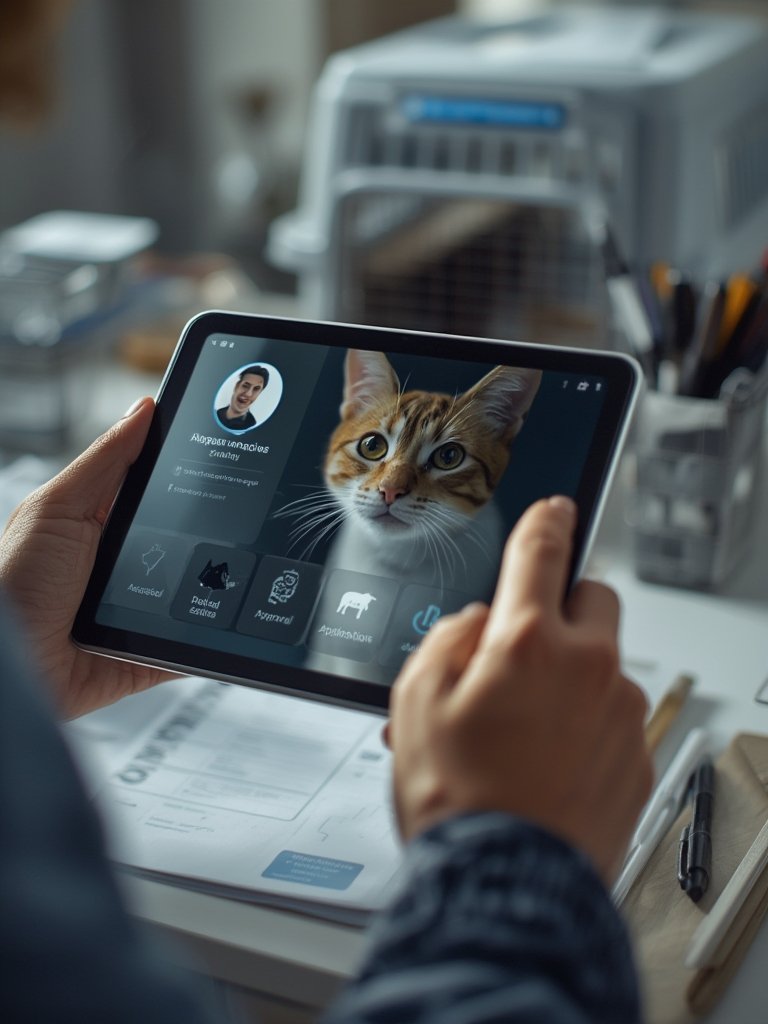
For specific landlord best practices, visit our guide on pet screening for landlords. If you are applying as a tenant, see our breakdown on how to complete a pet screening application for faster approvals.
Advanced Analysis & Common Pitfalls: Where Pet Screening Software Fails and How to Avoid Mistakes
Despite rapid adoption and the promise of automated compliance, property managers and owners still face recurring issues with pet screening software:
- Poor or inconsistent enforcement: Unauthorized pets remain the top reported problem, both among users and non-users. This typically happens when policies aren’t clearly communicated, required, or enforced in leases and renewals.
- Fair housing review overload: Reviewing reasonable accommodation requests remains a significant regulatory and resource burden. Relying on manual workflows or non-accredited review teams increases your legal exposure.
- Lack of transparency on total pricing: While leading services like PetScreening advertise no direct cost for core features, there is very little published information comparing paid add-ons or competitive pricing, creating uncertainty for larger portfolios.
- Integration blind spots: Not all onboarding processes are seamless. Gaps still occur if systems aren’t consistently synced or if tenant profiles are only partially imported, leaving loopholes for policy violators.
| Feature | What Works | Common Pitfalls/Problems |
|---|---|---|
| AI-based Pet Detection | Detects undeclared pets using images & reports | False positives if community records aren’t updated/about staff training issues |
| Fair Housing Review | Certified in-house experts reduce legal risk | Manual/incomplete reviews create liability & inconsistent outcomes |
| Revenue Capture | Automated pet rent, fees, and deposits | Missed income if pet policies aren’t enforced or tenants “game” the system |
| Integration | Seamless sync with platforms (Yardi, Appfolio, etc.) | Onboarding, profile import, or API limitations may leave compliance gaps |
For more tips on maximizing approval rates and preventing unexpected denials, see our guide on pet screening scores.
Conclusion: Is Pet Screening Software Worth It in 2024?
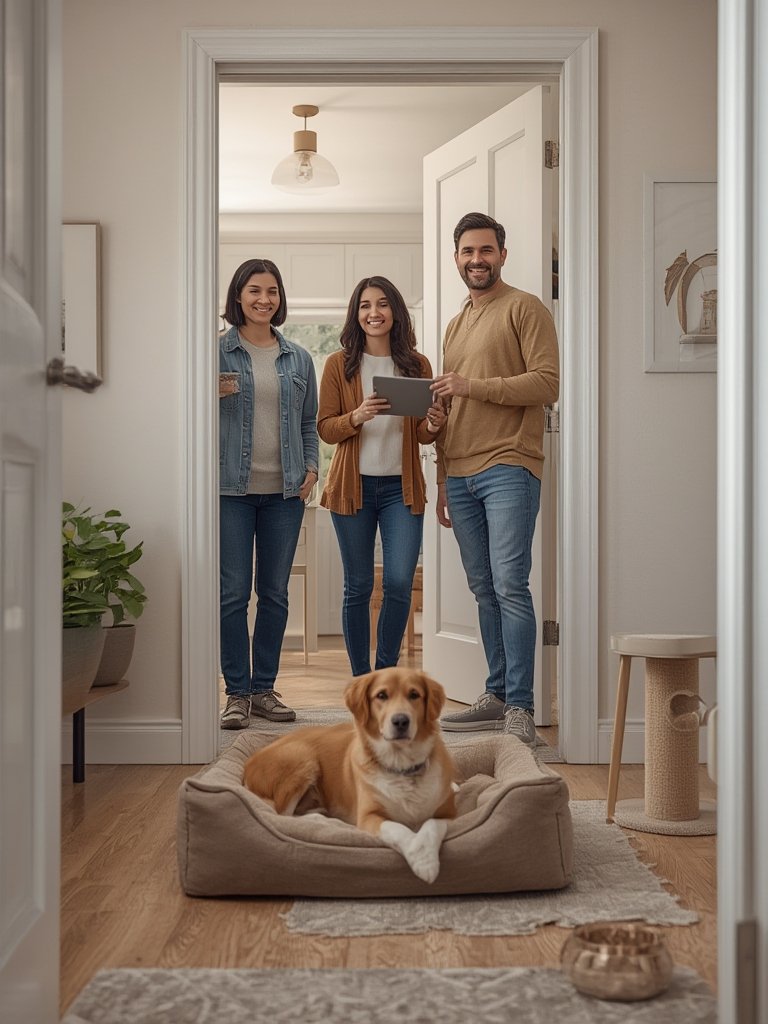
With compliance burdens up, unauthorized pets still rampant, and over $300 million in pet-related revenue collected by users of these tools in less than a decade, pet screening software is now a must-have for serious landlords and property managers. But success depends on clear enforcement, continual auditing, and using platforms with real integration and legal support. Want to future-proof your rental portfolio, minimize risks, and maximize income? Start evaluating your current tools and fill the gaps – your bottom line (and your tenants) will thank you.
To learn more about full pet screening processes and their impact on rentals, check our related pet screening best practices guide. Ready to get started? Research your options, demand integration, and automate your compliance today.
FAQ: Pet Screening Software for Landlords and Managers
How much does pet screening software cost for landlords or property managers?
Leading solutions like PetScreening typically offer core features at no direct cost to property owners or managers. However, additional add-ons or enterprise functions may carry fees. Pricing for competitor platforms in 2024 is often not published publicly.
Does pet screening software handle assistance animal and ESA policy compliance?
Yes. Top pet screening platforms employ certified fair housing specialists and legal experts to process accommodation requests for assistance animals, ensuring compliance with HUD and ADA guidelines.
Can I integrate pet screening software with my existing property management system?
Yes. Solutions like PetScreening offer direct integrations with property management platforms such as Yardi, OneSite, Entrata, ResMan, Rent Manager, Appfolio, and Buildium, so pet data flows automatically into your workflow.
What’s the #1 mistake to avoid when rolling out pet screening software in my units?
The most common mistake is failing to require all tenants to complete the pet screening process and not linking it to lease enforcement or renewal workflows. This allows unauthorized pets and lost revenue to slip through.
How can pet screening software increase my rental property income?
Automating pet rent collection, fees, and deposit management with pet screening software makes it easier to charge and enforce accurate pet-related income. Over $300 million in revenue has been captured since 2017 by users of leading platforms.