

Pet screening for landlords is more than just a trend—it’s becoming standard practice as pet ownership reaches record highs and rental demands shift. With nearly 70% of renters being pet owners, properly screening animals is now vital for any property manager who wants to safeguard assets, meet legal requirements, and attract quality tenants.
Key Takeaways
- Effective pet screening protects your property, raises renewal rates, and helps you comply with Fair Housing laws.
- Screening challenges include verifying fake emotional support animal documents and balancing breed policies with actual risks.
- Using actionable questions, third-party verification, and standardized evaluation leads to better outcomes for both landlords and pet-owning tenants.
- What Is Pet Screening for Landlords?
- How to Screen Pets for Rentals: Step-by-Step Process
- Advanced Analysis & Common Pitfalls
- Conclusion
- FAQ
What Is Pet Screening for Landlords?
Pet screening for landlords is the process of evaluating prospective tenants’ pets through documentation, vetting, and sometimes third-party checks. The goal is to reduce property damage risk, set clear expectations, and maintain compliance with housing and assistance animal laws. With pet ownership surging 18% since 2019 alone, and 70% of renters now owning pets, the rental landscape is shifting rapidly. Screening is no longer optional for long-term asset protection.
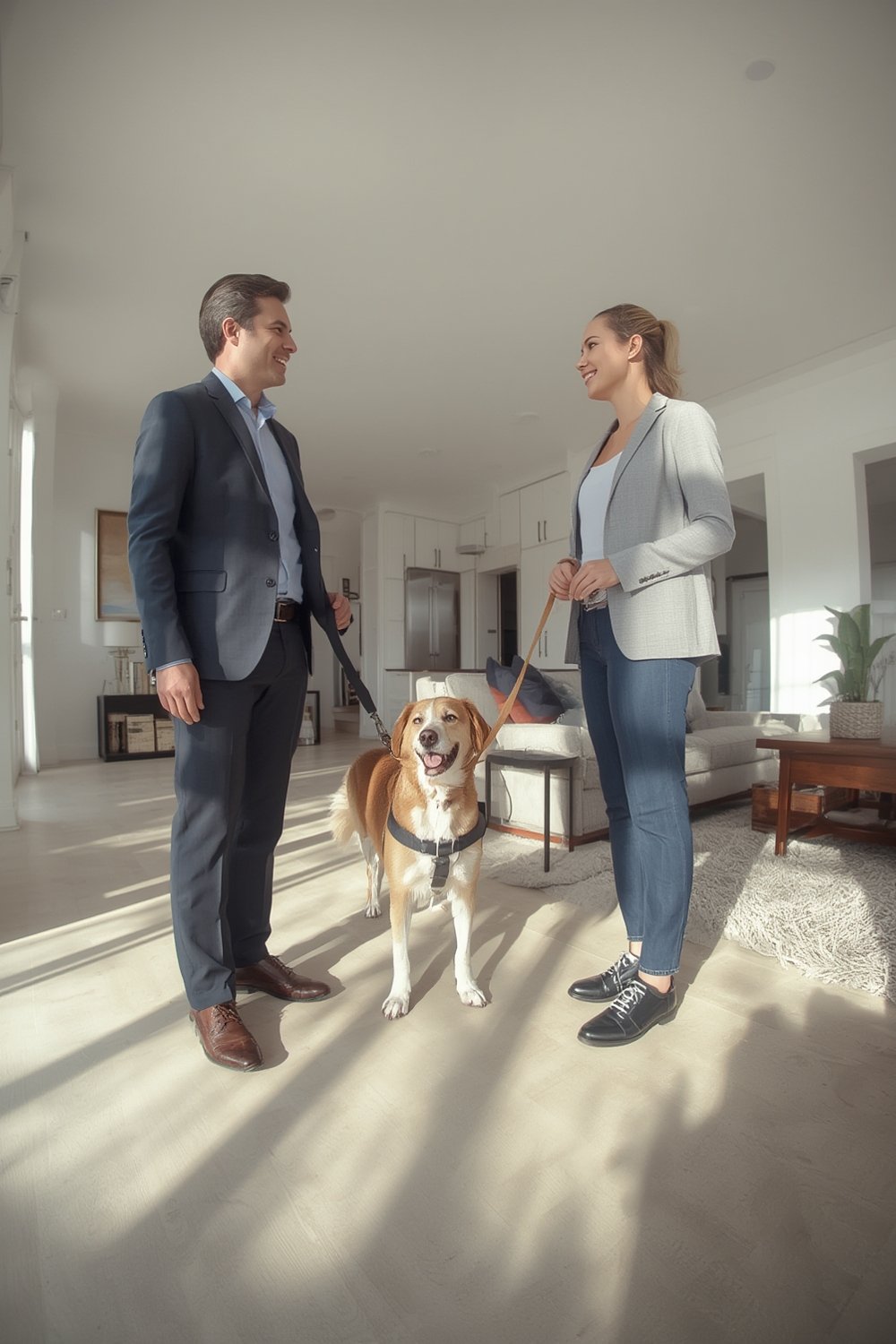
Pet screening typically involves collecting details about the pet (type, breed, weight, age, vet records), checking for compliance with local pet ordinances, and ensuring renters fully understand and agree to property rules. Many landlords now rely on platforms like third-party screening services for data on past behavioral complaints, breed restrictions, documentation review, and more. This process not only protects property but also improves transparency for both parties.
Although no national law requires pet screening, the adoption rate is growing. Among PetScreening clients, 60.7% of single-family and 46.5% of multifamily rental managers now market pet-friendly homes—almost always with a pet screening process. This helps not only in protecting the unit but also in attracting a much broader group of tenants.
For a focused breakdown of how pet screening compares to other property improvement strategies, explore our detailed guides on Home Improvement Trends and tips for choosing the right Contractor For Home Improvement.
How to Screen Pets for Rentals: Step-by-Step Process
A strong pet screening procedure can mean fewer headaches and enhanced profitability. Here’s how to create and implement a practical pet screening flow for your rental property.
-
Require a Thorough Pet Application
Ask prospective tenants for a comprehensive pet application. It should cover:- Type/species, breed, color, size/weight
- Pet’s age and how long the tenant has cared for it
- Spay/neuter status, vaccination records, and local licensing
- Veterinarian’s contact information
- Any prior behavioral incidents (bites/aggression)
- Emergency caretaker details
-
Ask for Documentation Up Front
Request up-to-date vet records and any legal documentation required by local ordinances. For support or service animals, ask for legitimate certificates and be ready to verify with issuing professionals if needed. -
Use Third-Party Screening When Possible
Services like PetScreening.com help landlords check for documented aggression, property damage reports, or neighborhood violations. They often screen animal control databases too, which can surface unknown red flags. -
Run References
Call previous landlords and neighbors to ask about noise, odor, property condition, and the tenant’s responsibility as a pet owner. -
Clarify Policies and Lease Addenda
Spell out property rules clearly: breed/weight limits, pet deposit/fees, number of pets allowed, and expectations for noise, cleaning, and outdoor areas. Attach a pet addendum to the lease. -
Establish Regular Pet Audits
Schedule annual checks or periodic property visits to confirm the number and condition of pets remain consistent with the lease.

Many leading property managers also use the Pet Screening Best Practices guide to refine their process, ensuring fair application for all pet-owning tenants and reducing the odds of legal disputes.
If you’re accepting pets for an apartment, check our in-depth Pet Screening Apartment tips for additional documentation and compliance steps, including how to handle restricted breeds, service animal accommodations, and local ordinance checks.
Well-documented pet screening also enables landlords to add pet rent, fees, or deposits, offsetting the rare (but real) risk of property damage. According to recent surveys, clients using robust pet screening saw lease renewals climb as much as 28% for single-family homes and gained a 22.2% average increase in pet-related income.
To further maximize returns, review our analysis on improving unit quality with home remodeling near me strategies. Attracting high-quality tenants—pet owners or not—starts with a great rental product.
Advanced Analysis & Common Pitfalls
Even as pet screening becomes more mainstream, both landlords and tenants face recurring challenges—some of which competitor blogs rarely address.
Common Problems in Pet Screening
- Fake Emotional Support Animal (ESA) Letters: Landlords and leasing agents often grapple with identifying forged documentation purchased online for $90, leading to compliance issues and legal risks.
- Breed Restrictions That Don’t Reduce Risk: High percentages of properties still ban pit bulls (94%), Rottweilers, and Dobermans—even though research shows little correlation between breed and property damage or incidents. This frustrates pet applicants and doesn’t necessarily reduce landlord risk.
- Lack of Standardization: Without clear, repeatable screening criteria, landlords risk discrimination claims and HUD/FHA violations. Well-defined processes—and consistent application to all tenants—are mandatory.
- Inadequate Pet Audits: Neglecting regular follow-ups allows tenants to add unauthorized pets or let conditions deteriorate, increasing your exposure to costs or lawsuits.
- Hidden Costs and Fees: While third-party screening services are affordable, the lack of clear pricing and transparency about what’s included can leave landlords or tenants unhappy.
Comparison Table: Pet Screening—Current Practices vs. Ideal Approach
| Practice | Current Reality | Best Practice | Impact |
|---|---|---|---|
| ESA Verification | Reliant on paper or PDFs, easy to forge | Cross-check with issuer; video calls with applicant and provider | Fewer false claims, reduced legal risk |
| Breed Policy | Banned breeds despite no proven benefit | Behavior/incident-based evaluation | Wider applicant pool, fewer challenges |
| Lease Addendum | Generic or skipped in small properties | Specific, customized per property and pet | Clear expectations, enforceable terms |
| Ongoing Monitoring | Rarely conducted | Scheduled audits/visits every 6-12 months | Fewer unauthorized pets, less damage |
| Tenant Feedback | Negative, especially regarding unclear policies or inconsistent enforcement | Transparent communication and quick responses to screening disputes | Improved satisfaction, higher lease renewals |
Importantly, research shows that only 9% of pets cause any damage to rentals, with an average national cost of just $191. Statistically, the benefits of pet-friendly policies—higher rents, longer tenancy, and increased renewals—far outweigh the risks, especially with effective screening in place.
Landlords seeking technical guides to complement screening should check our post on improving home value through DIY home decor or see why smart home upgrades can boost both pet comfort and appeal for renters.

Conclusion
Modern pet screening for landlords is necessary to stay competitive, mitigate risk, and keep properties profitable as pet ownership soars. Build a repeatable, compliance-forward screening process—and educate both staff and tenants—to realize benefits like higher occupancy, lease renewals, and happier residents. For more on the technical process, explore our post on what is pet screening or see the details behind a pet screening score. Protect your properties and make your listings more attractive—start implementing a robust pet screening for landlords policy now!
Ready to revamp your rental policy? Contact an expert or try a third-party pet screening platform today.
FAQ
Is pet screening legally required for landlords?
No. There is no federal law requiring landlords to screen pets, but consistent screening lowers liability and helps comply with Fair Housing standards. See PetScreening’s industry research for more.
What does pet screening usually cost?
Most third-party services charge a modest, often one-time, fee per pet. Exact amounts vary, but the added revenue from pet rent and fees typically offset costs. See local providers for current rates.
What are common red flags when screening pets?
Red flags include history of bites or aggression, outdated or missing vet records, no proof of licensing, poor references from prior landlords, and generic or duplicated ESA letters.
Can landlords reject an emotional support animal?
No. If a tenant provides legitimate ESA documentation and the animal doesn’t pose a direct threat, landlords must make reasonable accommodation per HUD/FHA guidelines.
Do pet screening policies really reduce property damage?
Yes. Research shows that with strong screening, only 9% of pets cause minor damage. Financial returns from pet-friendly policies generally exceed the cost of repairs.