

### Blog Post:
Pet screening documents checklist is the first thing every pet owner and landlord should consider before renting any pet-friendly property. If you skip any step in this process, you risk delays, wasted application fees, or even rejections—regardless of how well-behaved your dog or cat may be.
Key Takeaways
- A complete pet screening documents checklist streamlines approvals and protects both tenants and landlords.
- Missing or incomplete health records are the top reason pet applications get delayed or denied.
- Preparation, documentation, and transparency are critical—especially for service or support animals.
- Understanding the Pet Screening Documents Checklist
- How to Prepare a Pet Screening Documents Checklist: Step-by-Step
- Advanced Analysis & Common Pitfalls
- Conclusion
- FAQ
Understanding the Pet Screening Documents Checklist
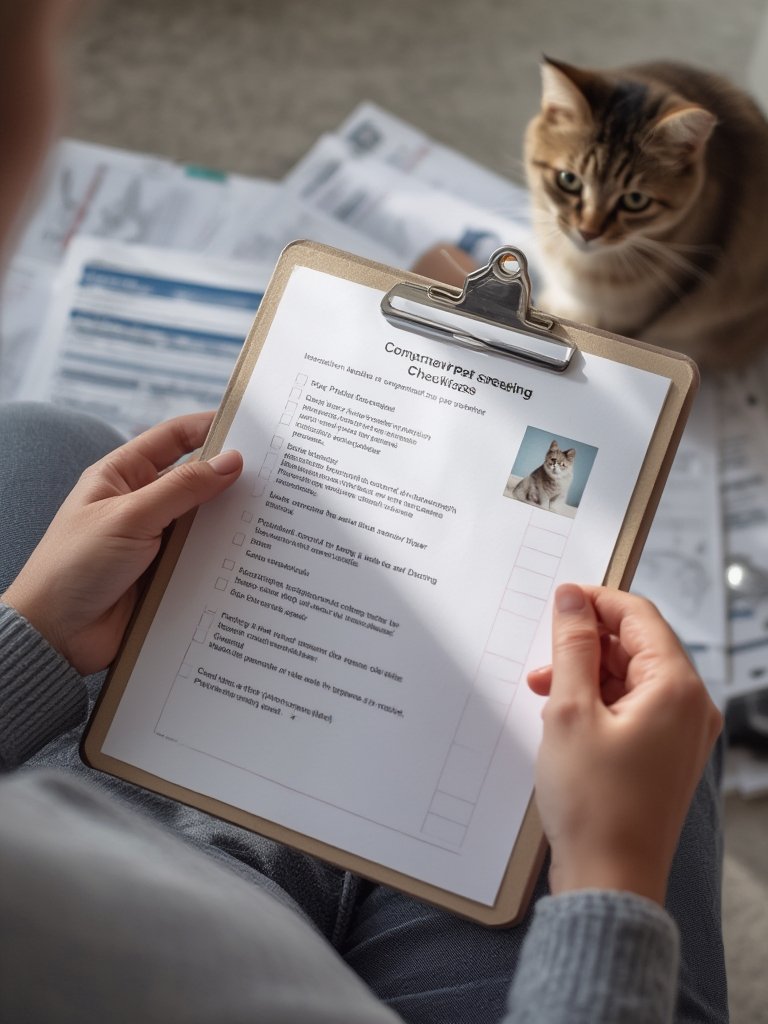
A pet screening documents checklist is a collection of paperwork required by landlords or property managers to verify a pet’s health, behavior, and suitability for rental housing. This process protects landlords from liability and property damage, helps tenants keep pets in rental homes, and sets clear expectations up front.

A standard checklist typically includes:
- Veterinary vaccination records for rabies and core diseases (source).
- Comprehensive pet resume covering behavior, training, breed, and history (pet resume for apartment).
- References from past landlords, vets, or neighbors attesting to the pet’s property and social impact (source).
- Recent photos of the pet at home or on walks.
- Proof of completed obedience classes or training certificates (source).
- Behavioral documentation for any issues or incidents.
- Pet screening application form with all pet and owner details (pet screening application).
For service or emotional support animals, you’ll need additional documentation, such as a letter from a medical professional confirming necessity (source).
A thorough checklist is your best defense against delays, rental application denials, or legal hiccups—especially if renting in highly regulated or pet-friendly markets as discussed in Pet Screening: 7 Best Ways to Protect Your Property.
How to Prepare a Pet Screening Documents Checklist: Step-by-Step
Getting your pet’s paperwork in order doesn’t have to be stressful. Here’s a practical, step-by-step approach every renter and landlord can use:
-
Gather vaccination records.
-
Dogs: Rabies, DHPP (Distemper, Adenovirus, Parvovirus, Parainfluenza)
Cats: Rabies, Feline Calicivirus, Rhinotracheitis, Panleukopenia. - Optional but recommended: Bordetella, Leptospirosis, Lyme disease, Influenza—these are sometimes overlooked but can matter for certain properties (source).
-
Dogs: Rabies, DHPP (Distemper, Adenovirus, Parvovirus, Parainfluenza)
-
Write or update your pet resume.
- Include your pet’s name, age, breed, training, routines, any bite history, and all behavior details (how to create a pet resume).
- Attach clear, recent photos.
-
Secure reference letters.
- Get statements from prior landlords, vets, or neighbors—mentioning property care and pet temperament.
-
Collect proof of training and regular checkups.
- Include certificates from obedience schools, dog trainers, or even a brief note from your vet confirming your commitment.
-
Download and complete the official pet screening application.
- Use forms provided by your rental platform, landlord, or third-party screening service (pet screening checklist).
-
Prepare documentation for behavioral issues (if applicable).
- If your pet has medical or behavioral issues, include a note from your vet or trainer outlining the problem, improvement plan, and any medication (source).
-
For assistance, therapy, or service animals: obtain a qualified letter or prescription.
- This should come from a licensed mental health professional or medical provider and should only confirm the requirement for the animal, never details of the actual disability.
-
Clarify emergency care plans.
- Landlords increasingly want to know what happens if a tenant is hospitalized or traveling. Include a brief emergency plan (source).
Expect application fees—usually $20–$35 per pet—and possible pet deposits, non-refundable fees, or monthly rent. For the latest breakdowns, see pet screening cost and pet screening fee.
Keep all files organized in folders (cloud and paper). Send only what is asked for, and double-check expiration dates on health records. This attention to detail significantly increases approval odds as discussed in pet screening score.
Advanced Analysis & Common Pitfalls
Even highly organized applicants stumble over avoidable problems. Here’s what to watch out for—plus how leading property managers differ and where most guides miss the mark.
| Pitfall | Consequence | How to Avoid |
|---|---|---|
| Missing or outdated vaccination records | Delays, automatic disqualification | Set reminders for boosters and keep digital records updated |
| Vague or incomplete behavioral info | Suspicion, extra screening requests | Be specific and proactive if addressing past incidents |
| No letters for service/emotional support animals | Delay, legal compliance issues | Request documentation early from licensed professionals |
| Forgetting emergency care details | May count against applicant, especially in strict markets | Provide a written plan naming backup caregivers |
| Using a generic checklist for all companies | Company-specific requirements overlooked | Carefully review each property’s or platform’s instructions |
| Not budgeting for fees | Financial surprises, delays in move-in | Ask for all pet-related fees up front |
Most top websites skim over post-approval behavior contingencies—yet pet screening approval tips increasingly stress the importance of maintaining behavioral standards. If your lease requires ongoing compliance, document any behavioral changes and proactively share updates with your landlord.
Another overlooked area: owner emergency plans. Only the most thorough checklists cover them, but landlords increasingly demand clarity for liability reasons.
Finally, there are major differences across property management companies and platforms, especially regarding documentation of optional vaccines or training. Always verify with each listing and consider using a third-party service for faster review, as highlighted in best pet screening service.
Conclusion
Building a complete, accurate pet screening documents checklist makes rental approvals much smoother. Most application problems stem from overlooked vaccines, outdated paperwork, or lack of detail. By following each step precisely, renters take uncertainty off the table and demonstrate responsible pet ownership.
If you need to dig deeper into the process, check out these guides on pet screening for landlords, what is pet screening, or browse a sample pet profile example for inspiration.
Don’t wait until you’ve found your dream rental—prepare your pet screening documents checklist now to boost your chances of a fast, stress-free approval.
Ready to get started? Download a sample, clarify your landlord’s requirements, or start with these trusted pet screening documents templates now.
FAQ
What documents are most often missing from a pet screening documents checklist?
The most commonly missed documents are up-to-date vaccination records, detailed behavioral notes for pets with past incidents, and valid reference letters. Always double-check the expiration on rabies tags and get written confirmation from your vet if needed.
Are service animals or ESAs subject to the same screening requirements?
No, under the Fair Housing Act, service animals and emotional support animals cannot be charged screening fees or pet deposits and require only a doctor’s or therapist’s letter confirming their medical necessity. Landlords cannot demand further details of your health condition.
What fees can I expect during pet screening in 2024?
Expect application fees of $20–$35 per pet, varying security deposits, and possible non-refundable one-time fees. Be sure to confirm all charges before submitting your paperwork to avoid surprises. For more, see pet screening cost.
Do all landlords require the same documents for pet approval?
No. Requirements differ widely. While most expect vaccination proof and a pet resume, some demand additional vaccine records, training certificates, or even an emergency care plan. Always request a checklist directly from your landlord or property manager.
What happens if my documents are incomplete or out of date?
Your application will almost always be delayed or rejected. Incomplete documentation—especially health records or reference letters—signals to landlords that you may not be a responsible pet owner. It’s better to fully prepare before applying.