

Pet approval letter rental requirements can make or break your chances of landing a pet-friendly apartment in 2025. Whether you’re a renter with a beloved animal or a landlord worried about property damage, knowing exactly what’s needed—before you apply—can save money, avoid disputes, and speed up approvals.
Key Takeaways
- 80% of U.S. apartments now allow pets, but strict documentation is often required—most commonly, proof of vaccinations and a strong pet profile.
- Landlords frequently deny pet requests due to missing documents, breed restrictions, or unproven animal history. Emotional support animals (ESAs) are exempt from most fees by law.
- Submitting a clear, compliant pet approval letter and supporting files (like vet records and resumes) quickly can increase your chances of securing a rental at reasonable costs.
- What Is a Pet Approval Letter Rental – and Why Do You Need One?
- Step-by-Step Guide: How to Secure Pet Approval for Your Next Rental
- Advanced Analysis & Common Pitfalls in Pet Approval Letter Rentals
- Conclusion
- FAQ
What Is a Pet Approval Letter Rental – and Why Do You Need One?
In the U.S., around 80% of apartment rentals now list themselves as pet-friendly, up sharply in recent years. However, with over 20% of these rentals imposing tough restrictions, many require more than just a checkbox—landlords increasingly request a formal pet approval letter rental to manage risk and comply with insurance, local ordinances, and tenant safety. This letter typically confirms the pet’s identity, behavior, health status, and the owner’s responsibility, forming a legal addendum to your lease.

Why are these letters important? For tenants, a clear letter with all required documentation means faster approvals and avoids costly surprises. For landlords, it’s protection against pet-related complaints, unauthorized animals, and potential legal disputes. Pet approval letters reduce ambiguity—helping both parties stay protected and setting expectations up front. See more on 2025 pet-friendly housing statistics for context.
To dig deeper into pet verification steps and required documents, see our full pet approval for rental guide with expert checklists.
Step-by-Step Guide: How to Secure Pet Approval for Your Next Rental
Follow these actionable steps to write (or request) a compliant pet approval letter rental and maximize your chances of a smooth, issue-free move-in:
-
Get Your Pet’s Documentation Ready: Collect up-to-date vaccination records, license or registration, a clear photo, and any obedience or training certificates. A pet resume or reference letter (from a prior landlord or vet) will also strengthen your case.
For landlord best practices, see the pet screening for landlords resource. -
Customize a Pet Approval Letter: Your letter should include:
- Pet’s legal name, type, breed, age, and weight
- License and vaccination status
- Behaviour summary (e.g., training, no history of aggression)
- Landlord’s approval statement, including any agreed-upon terms or limits (e.g. pet rent or deposit)
- Date, signatures, and explicit reference to your lease agreement
For sample templates, while none are public from legal forums, use a simple format. If you want a detailed starting point, review our pet profile example resource or pet resume template for more ideas.
- Understand the Costs: Pet rent averages $35 per month nationally, with one-time pet deposits/fees between $250 and $500 in most markets. Some landlords require application or screening fees, but those are uncommon for the letter itself. See the breakdown in 2025 data.
- Submit the Full Package Quickly: Delaying the letter or leaving fields incomplete increases the chance of denial—most landlords prefer concise packages up front. Consider submitting your letter and supporting files with your initial rental application.
- Clarify Any Special Status (ESA/Service Animal): If your pet is an emotional support animal (ESA) or service animal, explicitly state this in the letter and include doctor or therapist documentation. By federal law, you’re exempt from fees and rent surcharges. For more, review our ESA verification for housing guide.
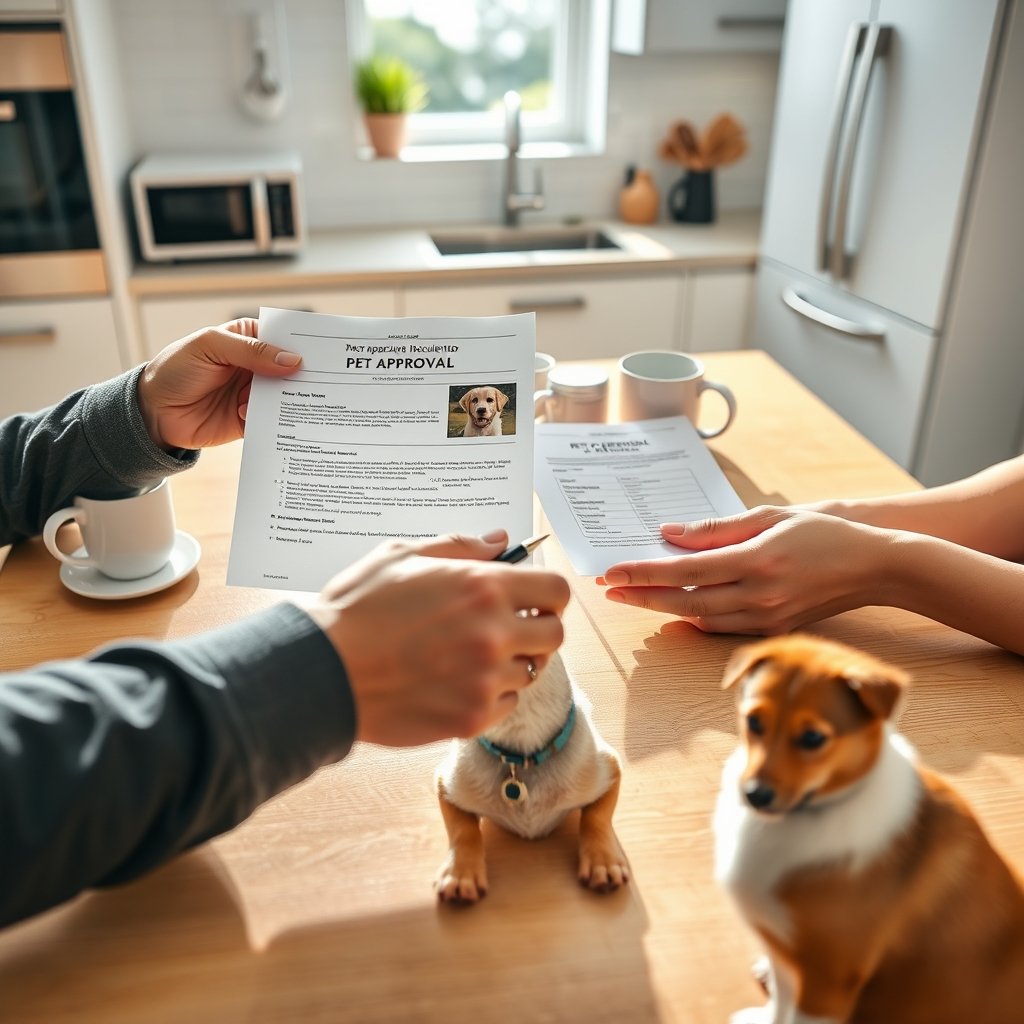
If you want to streamline all steps, specialized services can verify and prepare your entire pet application with online tools. See the latest pet screening software guide for picks and tips.
Advanced Analysis & Common Pitfalls in Pet Approval Letter Rentals
Even prepared renters and careful landlords hit snags. Here are the most common pitfalls to avoid when seeking a pet approval letter rental:
- Missing or incomplete documentation: In 2025, most landlords deny pet applicants missing vaccination proof, pet licenses, or clear behavioral history. For a full paperwork checklist, see pet screening documents guide.
- Breed or size restrictions: 1 in 5 pet-friendly rentals still ban specific breeds, large dogs, or exotic pets—these bans override even glowing letters unless your animal is registered as a service/ESA.
- Mistakenly paying fees for ESAs or service animals: Federal law exempts these pets from deposits and monthly surcharges, but confusion among landlords is common. Clearly cite your animal’s status in both the letter and supporting documentation.
- Relying on generic templates: Letters copied from the internet that don’t address specific landlord requirements (like building pet limits, noise expectations, or insurance needs) often get rejected or ignored.
- Not confirming state/local rules: Some cities may demand extra licensing, insurance, or pet screening forms. Check local requirements or consult your city’s housing authority for updates. For example, Atlanta requires a combined pet fee/deposit averaging $556, with approvals for about 90% of rentals (report).
| Pet Approval Requirement | Typical in U.S. Rentals | Pitfall/Problem | Solution |
|---|---|---|---|
| Vaccination Records | Required by ~80% | Outdated or missing proof delays approval | Update shots, request records before applying |
| Pet Resume/References | Highly recommended | No evidence of good behavior increases landlord risk concerns | Use our pet resume for apartment template |
| ESA/Service Animal Proof | Required for fee exemption | Confused with regular pet, charged illegal fees | Include doctor/therapist letter, cite Fair Housing Act |
| Letter Completion & Customization | Varies by landlord | Blank or generic letters get ignored | Directly address landlord/property requirements |
Want to dive deeper on fee comparisons and state-by-state requirements for pets? Browse our pet screening cost and pet friendly rental requirements guides for side-by-side data.

Conclusion
Securing pet-friendly housing today goes beyond checking the box—it requires submitting a complete, tailored pet approval letter rental package with clear documentation, proof of good behavior, and a transparent fee agreement. Know your local rules, avoid generic forms, and you’ll save time, money, and stress. Ready to apply? Start by downloading our free pet resume template, gather your paperwork, and give your future landlord everything they need to say “yes” the first time.
FAQ
What exactly should be included in a pet approval letter rental?
Include your pet’s name, breed, age, vaccination and license status, health or obedience certificates, and a statement of landlord approval referencing your lease. Add any special terms or conditions plus both parties’ signatures and dates.
Are there extra fees for submitting a pet approval letter rental?
There are rarely fees for the letter itself, but expect pet rent ($10-$60/month), deposits ($100-$600), or non-refundable fees ($250-$500). Emotional support and service animals are exempt from all pet fees in the U.S.
What are the main reasons landlords deny pet approval?
Missing or incomplete documentation, restricted breeds, size limits, evidence of aggression, or failure to show proof of vaccinations. Not addressing these in your letter usually leads to denial or delays.
How can I prove ESA or Service Animal status in my letter?
Attach a medical provider’s letter specifying your ESA or service animal need. Clearly state the animal’s function in your approval letter and reference Fair Housing Act protections to avoid illegal fees or denials.
Where can I find templates or examples for pet approval letters?
There is no single public legal template, but you can build a compliant letter by reviewing sample pet resumes for apartment rentals and adapting them to your landlord’s requirements.