


### Blog Post:
Pet friendly apartment application is a process that determines if you and your pet can live together in a rental that claims to be pet-friendly. It’s not as simple as “Do you allow pets?”—and making a mistake here can cost you the approval, extra fees, or even your pet’s housing stability.
Key Takeaways
- About 80% of U.S. rental listings allow at least one pet in 2024, but fewer than 10% allow pets without breed or size restrictions.
- Typical pet application costs run $34-$37/month for pet rent, plus up to $300 non-refundable fees, and you’ll likely face documentation requirements.
- Missteps—like incomplete paperwork, ignored restrictions, or misunderstanding tech-based screening—can delay or ruin your application.
- What is a Pet Friendly Apartment Application?
- Step-by-Step Guide to Passing Your Pet-Friendly Application
- Advanced Analysis & Common Pitfalls
- Conclusion
- Frequently Asked Questions
What is a Pet Friendly Apartment Application?
A pet friendly apartment application is the formal process by which landlords and property managers decide whether your pet can live with you in their rental unit. Most apartments now advertise as “pet-friendly,” yet over 90% enforce breed or size restrictions, and documentation demands are rising. The process is about reviewing your pet’s background, health, and behavior to minimize risks for the property and neighbors.

Why so complicated? Allowing pets can boost lease-up speed and attract more tenants, but landlords face concerns about property damage, liability, and insurance. That’s why rules—such as extra monthly pet rent or non-refundable fees—are now standard. According to RentCafe’s 2024 research, nearly 80% of listings explicitly allow pets, but with many restrictions. Pet policies are tighter in multifamily buildings (just 46.5% are pet-friendly, vs. 60.7% for single-family) [2024 State of Pets in Housing Report].
While pet-friendly options are increasing, it’s rare to find units without size/breed restrictions or extra costs. Preparation is crucial so you don’t get denied or overcharged.
Step-by-Step Guide to Passing Your Pet-Friendly Application
Most applicants underestimate this process. Here’s exactly how to maximize your approval odds and avoid the biggest mistakes.
- Review listing details carefully. Even if an apartment says “pet friendly,” nearly all will list exclusionary policies in the fine print—weight, breed, species, or quantity limits. If there’s a link to a landlord’s pet policy, read it before scheduling a tour.
- Create your pet’s documentation package.
- Include a full vaccination record—see pet vaccination records for apartments guide.
- A short pet resume or pet profile: name, age, breed, temperament, behavior notes, spay/neuter certificate – see templates pet resume here.
- Reference letter from a former landlord, trainer, or neighbor (how to write one).
- Budget in advance for pet rent, deposits, and fees. Expect, on average, $34–$37 added monthly (pet rent), plus a deposit of $287–$311, and often a $300 non-refundable fee (source). Some apartments bundle these into move-in special offers—ask directly about which fees apply before you sign.
- Expect a screening process. Many property managers use platforms like PetScreening for digital pet profile submissions and screening scores. This can involve uploads of licenses, microchip info, and proof of training. If you’re asked for access to a pet screening process or report, act promptly—missing documents can stall or kill your application.
- Prepare for policy restrictions or exceptions. Over 90% of “pet-friendly” rentals still have breed or size limits (e.g., no Pit Bulls or dogs over 40 lbs, per Pets & Housing Data 2025). If your pet is on the bubble, provide additional documentation or a professional evaluation.
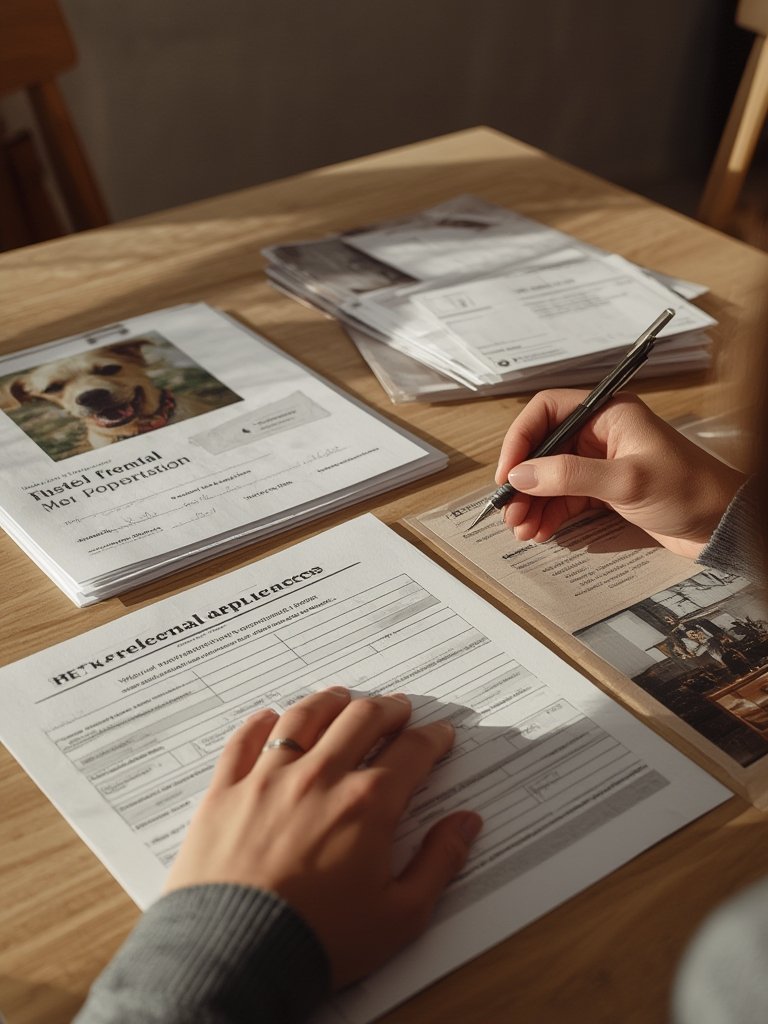
- Understand legal protections. While federal law requires landlords to accept service or emotional support animals (ESAs) with proper documentation, these rules are not the same as for standard pets. Always clarify up front whether your pet qualifies under these programs; supporting paperwork matters, and misuse can backfire. See pet screening ESA guide for details.
- Double-check before moving in. If your application is approved, get any and all agreements about your pet in writing (lease addendum, emails, etc.). This will protect you if policies or management change in the future.
Following these steps keeps you organized, preempts objections, and helps avoid the most common rejections during the pet friendly apartment application process.
Advanced Analysis & Common Pitfalls
Even organized renters slip up. Here are the most common pitfalls and how to dodge them:
- Assuming “pet-friendly” actually means pet-welcome: Over 78% claim pet-friendliness, but less than 10% allow pets without major restrictions (source).
- Forgetting the hidden costs: You might be quoted a low pet rent, but non-refundable fees and deposits add up—especially if you have multiple pets.
- Missing paperwork or poor organization: One expired vaccine, missing license, or unclear pet profile can slow your approval or give landlords reasons to say no. Try a pet screening checklist for peace of mind.
- No real recourse if denied: There are no universal standards for why a pet-friendly apartment application might be denied. Landlords seldom provide details, especially if breed or property-type restrictions apply (source).
| Step | What Can Go Wrong | How to Fix or Avoid |
|---|---|---|
| Reading Pet Policy | Missing fine print on breed or size bans | Ask direct questions; get policies in writing |
| Preparing Paperwork | Forgotten or outdated vaccination records | Use a documents checklist |
| Application Fee Payment | Unexpected deposit or double-charged fees | Estimate all costs; clarify charges up front |
| Screening Process | Missing deadlines for online forms or references | Set reminders to finish all steps quickly |
One major gap in top-ranking articles is a lack of detail on how tech tools (like PetScreening) collect and assess your pet’s behavior. Digital platforms gather everything from vaccination uploads to references, assigning “scores” that can make or break your case—even if your pet itself isn’t present. Check resources like pet screening score guides for more insight.
If landlords want in-person assessments or video proofs, clarify expectations in advance. For deeper self-protection, add photos or behavior certificates to your package.

Downsides to consider: If denied, there’s little formal recourse unless your animal qualifies as a service or emotional support animal. Even then, policy details and paperwork are essential. Be aware—acceptance isn’t “guaranteed” even in pet-friendly buildings. Costs can easily add $1,000+ to your annual rent, and some landlords pivot on short notice, especially after damage or neighbor complaints.
If you need more granular help, tools like pet screening best practices offer actionable checklists that many renters skip.
Conclusion
To succeed with your pet friendly apartment application, start early, collect rock-solid documentation, and don’t trust “pet-friendly” labels at face value. Know the real costs, expect tech-driven screening, and prepare for surprises. If you want your whole rental experience to run smoothly, treat your pet’s application as seriously as your own.
If you want additional tips for passing any apartment application—especially with pets—read our full pet screening approval tips. Ready to secure your ideal home? Start gathering your paperwork and begin the pet friendly apartment application process today.
Frequently Asked Questions
What documents do I need for a pet friendly apartment application?
You’ll need current vaccination records, proof of spay/neuter, a pet profile, references, and usually a pet license. Some landlords may ask for additional behavior reports or a pet resume. See our pet screening documents guide for a full checklist.
What are typical pet fees and deposits for apartments in 2024?
Most apartments charge $34–$37 per month in pet rent, up to $300 non-refundable pet fees, and deposits of $287–$311. Fees vary by landlord and property type.
Why would my pet friendly apartment application be denied?
The most common reasons are breed/size restrictions, missing paperwork, or issues flagged during behavioral screening. Landlords often won’t specify the reason and can deny for any legal reason if your pet doesn’t meet their policy.
Can I appeal or negotiate a pet denial?
Appeals are rare and often not formalized. Your best bet is to provide compelling documentation, references, or behavior reports right away. If your pet is a service animal or ESA, additional legal protections may apply, but documentation is critical.
Are all “pet-friendly” apartments truly welcoming to pets?
No. While 80% of listings say they allow pets, less than 10% do so without restrictions. Always check for breed, size, and species limitations before you apply.
—