

### Blog Post:
Pet screening mistakes can cost landlords and renters thousands, lead to denied applications, and damage properties and reputations. With growing demand for pet-friendly rentals, understanding and avoiding these mistakes is essential for a smooth and successful leasing process. Here’s what every landlord and renter needs to know to avoid the most common—and costly—pet screening missteps in 2024.
Key Takeaways
- Standardized, thorough pet screening is critical for avoiding property damage, liability, and tenant dissatisfaction.
- Common mistakes include missing vet information, not checking pet behavior history, and ignoring individualized pet assessments.
- Reliable pet screening tools like PetScreening help landlords and renters reduce risks, but misunderstandings of policy and process remain widespread.
- Understanding Pet Screening Mistakes: What & Why It Matters
- Step-by-Step Guide: How to Prevent Pet Screening Mistakes
- Advanced Analysis & Common Pitfalls
- Conclusion: Secure Pet-Friendly Rentals The Right Way
- FAQ: Pet Screening Mistakes Explained
Understanding Pet Screening Mistakes: What & Why It Matters
Pet screening mistakes refer to the most frequent errors made during the process of assessing rental pets. These missteps can happen on both sides: landlords might skip vital checks or misunderstand laws, while renters may provide incomplete documentation or hide crucial facts about their pets. In a rental landscape where 89 million US homes now have pets and demand for pet-friendly housing is surging, mistakes in pet screening can directly lead to application failures, disputes, and unnecessary costs. Yet, most mistakes are avoidable with the right knowledge and tools.

Why do these mistakes matter? Even small errors—like missing proof of vaccinations or not declaring a breed—can result in denied applications, damage to property, legal trouble, and even evictions. For landlords, this means extra administrative time, unexpected repairs, and lost rent. For tenants, it means lost housing opportunities and higher move-in costs. That’s why standardized, thorough, and fair pet screening is essential.
Step-by-Step Guide: How to Prevent Pet Screening Mistakes
Whether you’re a landlord or tenant, preventing pet screening mistakes requires a clear, step-by-step approach. Here’s exactly what to do:
- Establish Clear Pet Policies Up Front
Outline all pet requirements in your rental listing and lease—allowed species, size, any breed stipulations, and documentation needed (vet records, proof of spay/neuter, vaccination certificates). - Leverage Third-Party Screening Tools
Platforms like PetScreening are industry leaders, offering behavioral background checks, documentation tracking, and standardized risk scores for every pet.
For more detailed tips, see this pet screening guide. - Diligently Collect Veterinary and Behavior Records
Always require proof of vaccinations and spay/neuter status. Ask for previous landlord references or a pet behavior history report to ensure there have been no past problems, such as biting, property damage, or chronic noise complaints. For renters, including a pet profile for apartments can boost approval rates. - Screen for Red Flags
Review applications for signs like unverifiable vet records, inability to provide emergency caretakers, or prior lawsuits related to pets. Property managers report these are top reasons for screening failures according to local property management experts. - Understand Fair Housing and ESA Requirements
Distinguish between pets and assistance animals; most recent HUD guidance now rejects online-only ESA documentation as sufficient. Avoid discriminatory policies—screen individual behavior, not just breed.
Learn more about this in our pet screening laws compliance guide. - Document Everything
Keep copies of all pet-related submissions and correspondence to protect yourself from disputes or fair housing claims down the line. - Communicate Early and Often
For landlords: answer questions about pet policies before a lease is signed to reduce misunderstandings.
For renters: volunteer complete documentation and be honest about your pet’s behavior upfront.
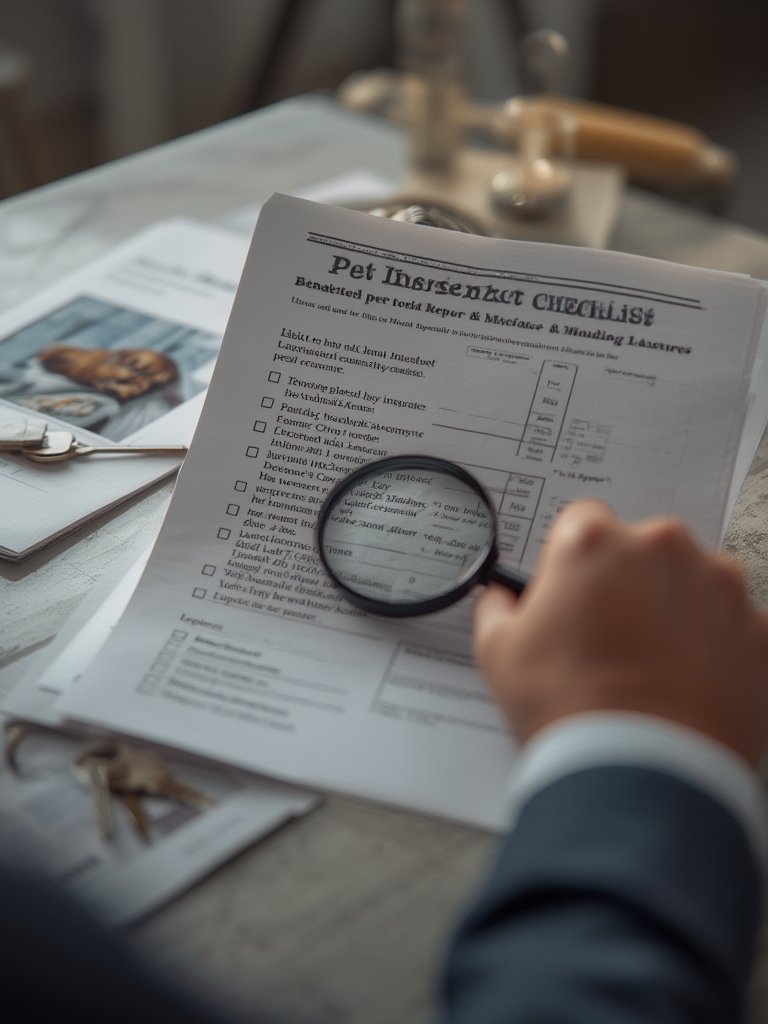
Want to streamline things even further? Use a pet screening checklist to make sure nothing gets missed from your application or review process.
Advanced Analysis & Common Pitfalls
Despite available tools, many landlords and renters continue to fall into avoidable traps during pet screening. Let’s break down the most common mistakes, their costs, and how to avoid them.
Most Cited Reasons for Failed Pet Screening
- History of biting, aggression, or injury (automatic red flag).
- Poor veterinary care or missing spay/neuter proof.
- Chronic noise issues or neighbor complaints.
- Record of previous property damage or rental violations.
- Missing emergency contact/caretaker for the pet.
- Lawsuits or evictions related to animal incidents.
These are directly cited by property managers and rental platform experts as top screening failures. Source.
Landlord and Tenant Complaints
- Landlords’ #1 headache: unauthorized pets found in units after move-in, creating risk of property damage, neighbor complaints, and legal exposure—according to industry research.
- Routine challenges: Interpreting breed restrictions and dealing with lack of correlation to actual damage or incident rates. Many landlords over-rely on breed bans instead of assessing the actual risk factors and behavior.
- For tenants, the most frequent issue is unclear or moving “goalposts” around pet requirements—polices change after the application, or documentation demands escalate unexpectedly.
True Cost of Pet Screening Mistakes
| Type of Mistake | Who’s Affected | Typical Cost/Consequence |
|---|---|---|
| No vet or behavior documentation | Landlords & Tenants | Denied rental; lost application fees; approval delays |
| Missed unauthorized pets | Landlords | $191 avg. damage per incident, legal risk [source] |
| Failure to distinguish pet/ESA | Landlords | Fair Housing claims, legal fines |
| Over-relying on breed bans | Everyone | Turns away good tenants, high vacancy, unnecessary disputes |
For landlords, only 9% of pets cause property damage, but insufficient screening makes those incidents more likely and costly. For a step-by-step guide on compliance, check out our pet screening process guide.
Technology & Tools: Are They Sufficient?
Leading tools like PetScreening offer comprehensive review of pet history, vaccination, and behavior, and reduce maintenance costs and unauthorized pet risk. 76% of landlords using pet screening platforms report improved tenant retention and fewer disputes. However, even with great tools, lack of staff training or misapplied policies can undermine effectiveness. For a full comparison, visit our pet screening services comparison.

Conclusion: Secure Pet-Friendly Rentals The Right Way
Avoiding pet screening mistakes is straightforward when you know what to look for, implement standardized processes, and communicate clearly from the start. Use third-party screening platforms, demand complete documentation, and focus on actual risk—not just pet type or breed.
If you’re ready to streamline your rental process, protect your investment, and foster happier tenant relationships, start by fixing your pet screening workflow today. Review our pet screening best practices guide or, for renters, prepare with this pet resume for apartments before your next application. Don’t let pet screening mistakes derail your rental future—take action now.
FAQ: Pet Screening Mistakes Explained
What are the most common pet screening mistakes landlords make?
The most frequent mistakes include not requiring proper veterinary and behavior documentation, over-relying on breed restrictions, failing to distinguish pets from assistance animals, and missing red flags like prior bites or property damage.
How much does one pet screening mistake typically cost?
The average cost of property damage from a missed screening is about $191 per incident for landlords, according to industry reports. Administrative errors or legal disputes can cost even more.
Does using a pet screening service guarantee all problems are avoided?
No system is perfect. While services like PetScreening greatly reduce risk, success depends on clear policies, staff training, and consistent enforcement—not just the tool itself.
How can renters make sure they pass pet screening?
Renters should provide full veterinary records, proof of spay/neuter, behavior references, and an honest pet resume. Being upfront and supplying all documents at the start speeds approval and avoids issues.
Where can I learn more about creating a compliant pet policy?
Check our full landlord pet policy guide for templates, compliance tips, and strategy.
—