

Pet screening checklist is now a critical requirement in the U.S. rental market, impacting both landlords and tenants in 2024. If you want to rent out your property or apply for a pet-friendly rental, knowing exactly what’s on the checklist—and what can go wrong—will save you time, money, and hassle.
Key Takeaways
- Modern pet screening checklists require complete documentation, behavior history, and breed verification—no shortcuts.
- Unclear policies, manual reviews, or missing documents lead to costly delays and rejections for both landlords and tenants.
- Legal updates (HUD/FHA), insurance ties, and ESA rules make compliance and up-to-date checklists essential in 2024.
- What Is a Pet Screening Checklist and Why Does It Matter?
- How to Complete a Pet Screening Checklist: Step-by-Step Guide
- Advanced Analysis & Common Pitfalls in Pet Screening
- Conclusion
- FAQ
What Is a Pet Screening Checklist and Why Does It Matter?
A pet screening checklist is a structured list of documentation and requirements used by property managers or landlords to evaluate a tenant’s pet before approving it for a rental property. This ensures rental property risks are minimized, tenant responsibilities are clear, and compliance with legal and insurance standards is maintained.

With U.S. pet ownership up 18% since 2019 and nearly half of all renters now owning pets, rental markets have shifted toward formal pet screening. Property managers use digital platforms for risk assessment, such as PetScreening or OurPetPolicy, to avoid unauthorized animals, reduce property damage, and ensure compliance with HUD Fair Housing rules.
Screening processes usually verify pet breed, age, size, vaccination and medical records, behavior history, and—importantly—document legitimate emotional support or service animal status. Individual risk assessment has replaced blanket breed bans, but hard exclusions like pit bulls or dobermans remain the norm in many areas, sometimes with little data to support such restrictions. For a deeper dive into why precise documentation is critical, explore practical examples in this guide to the pet screening process.
How to Complete a Pet Screening Checklist: Step-by-Step Guide
Completing the pet screening checklist in 2024 involves more than just listing your pet’s name and breed. Both tenants and landlords should follow these key steps for approval:
- Provide Pet Information Accurately: Enter the pet’s name, species, breed, weight, age, microchip details, and registration numbers. This step forms the basis of the digital Pet Profile.
- Upload Vaccination and Medical Records: Most screening platforms require up-to-date rabies and core vaccinations. Attach copies of all relevant veterinary records.
- Document Pet Behavior and Training: Describe any biting incidents, behavioral issues, special training, or certifications (e.g., AKC Canine Good Citizen).
- List Pet’s Socialization & Reference History: Support your case with letters or references from previous landlords. These can prove your pet’s positive track record.
- Check (and Note) Restricted Breeds or Sizes: Tell the truth about your animal’s breed, as most checklists directly cross-reference hard exclusion lists. Review the latest breed restrictions in recent research reports.
- Verify Assistance Animal Documentation: For emotional support or service animals, include documentation from a licensed healthcare provider as required by HUD/FHA guidelines. Watch out for fake online certificates—landlords are increasingly verifying legitimacy.
- Consent to Rule Audits and Digital Monitoring: Platforms like OurPetPolicy and PetScreening require consent for routine audits, violation tracking, and, often, acceptance of community-specific rules and charges.
- Pay Required Fees or Pet Rent: While costs vary, expect a pet screening application fee and possibly a separate monthly pet rent or deposit. Most major platforms (like PetScreening) structure these as revenue boosters for the landlord, but always check your property’s fee disclosures. For details, see this guide on pet screening fees.
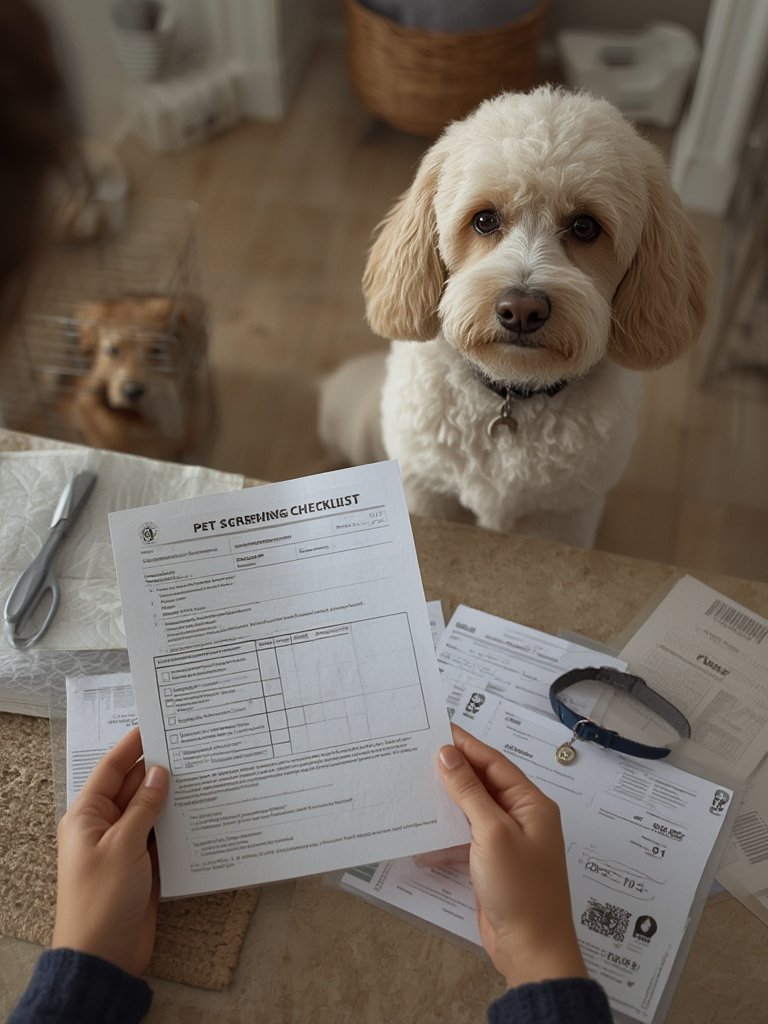
Steps will vary by property management company. Some waive breed or size restrictions for established, well-documented pets or offer fast track reviews for assistance animals with full documentation. If you’re a landlord, requiring all applicants to use the same structured checklist protects against Fair Housing violations and helps with insurance claims, reducing your liability. For specific requirements, compare these landlord pet screening strategies.
Advanced Analysis & Common Pitfalls in Pet Screening
Even when tenants and landlords are well-intentioned, common mistakes delay or even block rental approvals. Here’s what goes wrong most often—and how to avoid it:
- Missing Records: Incomplete vaccination documents or behavioral histories are the top reasons for delays and denials. Landlords miss out on additional revenue, and tenants miss rental move-in windows.
- Unauthorized Pets: When screening is skipped or manual, landlords get blindsided by undisclosed animals, leading to property damage and increased insurance risk. Some property managers report up to 22.2% higher revenue after enforcing pet screening requirements, proving the cost of leniency (data source).
- Assistance Animal Verification Issues: Landlords processing 2.75 assistance animal requests per month risk Fair Housing violations if paperwork is not properly reviewed. Fake HUD letters (often bought online) remain a growing problem—landlords must use independent verification tools to avoid costly legal missteps. For current laws, see this guide on pet screening laws.
- Strict Breed/Weight Bans: Some properties still use hard exclusion lists (notably Pit Bulls, Dobermans, Rottweilers) even without clear data linking them to higher risk. This blocks many responsible pet owners, reduces rental pool size, and sometimes results in Fair Housing complaints.
- Unclear Fee Disclosures: Tenants often get surprised by extra screening fees or monthly pet rent not disclosed up front. All fees should be transparent; hidden costs erode trust and satisfaction. For guidance, consult this pet screening cost breakdown.
- Insurance & Liability Gaps: Failing to fully document the pet or assistance animal may put your property insurance at risk—most carriers demand breed, vaccination, and proof of behavioral suitability. Using a digital checklist and saving records is now the industry standard (external analysis).
| Pitfall | Effect on Tenants | Effect on Landlords | How to Fix |
|---|---|---|---|
| Missing vaccine records | Application delays, denied approval | Delayed move-ins, revenue loss | Request all records upfront; use digital upload |
| No confirmed assistance animal status | Legal challenges, rent application denied | Fair Housing risk, fines | Require HUD-compliant documentation |
| Unlisted/unauthorized pets | Lease violation fines, eviction | Property damage, insurance denial | Random audits & periodic inspections |
| Opaque pet fees | Unplanned costs, dissatisfaction | Payment disputes, loss of trust | Clearly post all fees with application |
| Strict persistent breed bans | Limited rental choices | Reduced applicant pool | Switch to individualized risk scoring |
The most successful landlords are those who use standardized checklists, embrace digital pet screening platforms, and document both approval/denial justifications. For renters, preparation is everything: anticipate questions, keep your records accessible, and address possible issues (like past biting incidents) up front. Dive deeper into best practices with the proven pet screening practices guide.

Conclusion
The right pet screening checklist can mean the difference between a smooth rental process and one filled with setbacks. From breed restrictions and mandatory documentation to insurance and legal compliance, adopting a comprehensive checklist is now unavoidable for most U.S. rentals. If you’re renting, gathering your documents and understanding your rights increases approval odds. For landlords, up-to-date checklists (with digital verification and HUD/FHA compliance) limit liability, boost revenue, and keep tenants satisfied. Take action now—integrate a complete pet screening checklist into your next rental deal and avoid common traps. For a step-by-step guide on how renters can ace their pet screening, visit this resource.
Ready to protect your property or secure your pet-friendly rental? Start your checklist and review your current policy today.
FAQ
What documents are required for a pet screening checklist?
Standard documents include proof of breed, age, and weight, complete vaccination records (rabies/core vaccines), behavioral and training certificates, references from previous landlords, and for assistance animals, verified medical letters from a licensed provider.
Are there standard fees for pet screening in 2024?
Fees vary. Some property managers pass on screening application fees (often $20–$30), and many charge additional monthly pet rent. Platforms like PetScreening may offer free landlord setup but earn revenue from tenant fees. Always check the landlord’s fee policy upfront.
Which pet breeds are most likely to be denied during screening?
Pit bulls (and subtypes), Rottweilers, and Dobermans top exclusion lists for most major rental properties. Large or undefined breeds, plus pets with aggressive or unknown behavior history, also face higher denial risk even when data supporting these bans is limited.
How do pet screening rules differ for emotional support or service animals?
Assistance animals are protected under HUD and Fair Housing rules. Landlords cannot charge pet deposits or enforce breed restrictions. However, they can require legitimate documentation and may deny fake or unverifiable claims. Proper documentation is critical.
How has pet screening documentation changed since 2019?
Pet screening has shifted from paper forms and blanket bans to digital, individualized assessments. Platforms now review vaccination, behavior, and assistance animal status for every pet. Landlords face greater compliance checks, and tenants have clear appeal steps—making up-to-date records essential for both sides.