

If you’re managing rental property today, setting a clear landlord pet policy is critical. The right policy attracts better tenants, fills vacancies faster, and helps protect your investment. But it also comes with some real challenges—and a few surprising opportunities.
Key Takeaways
- Pet-friendly rentals lease faster and keep tenants longer but require a structured, fair pet policy to minimize risks.
- Fully pet-inclusive policies (without size or breed restrictions) are still rare, presenting a chance for landlords to stand out.
- Screening, clear documentation, and regular reviews are essential for a resilient landlord pet policy.
- What Is a Landlord Pet Policy and Why It Matters
- How to Build a Rock-Solid Landlord Pet Policy (Step-by-Step)
- Advanced Analysis & Common Pitfalls With Landlord Pet Policies
- Conclusion
- FAQ
What Is a Landlord Pet Policy and Why It Matters
A landlord pet policy is a specific set of rules and expectations around pets for your rental property. It covers what types of pets are allowed, requirements for approval, fees or deposits, and rules for tenants and their animals. In 2024, pet-friendly policies exploded in popularity, with roughly 80% of US rental apartments now allowing pets [source]. Pet-friendly units lease eight days faster on average, and tenant retention among pet owners is 21% higher [source]. Even more, large cities report over 84% of listings are pet-friendly as of 2024 [source].

Still, less than 10% of rentals allow pets with no breed or size restrictions, and many “pet-friendly” listings limit what’s really allowed [source]. The upside: if you define your landlord pet policy clearly—and enforce it fairly—you can gain loyalty, reduce turnover, and fill units faster, all while keeping risk under control.
For a deep dive on how pet screening protects your property and boosts tenant satisfaction, see pet screening for landlords.
How to Build a Rock-Solid Landlord Pet Policy (Step-by-Step)
- Decide your pet policy type. Will you allow all pets, only certain types, or none? Consider market demand and building type—fully “pet-inclusive” policies are rare, so even moderate flexibility sets you apart.
- Define clear criteria for approval. Set rules for size, breed, weight, and total number of pets. Specify what’s allowed and what’s not in your listings and leases to avoid confusion later.
- Use thorough screening and documentation. Apply a structured pet screening process, including a pet application form and, if needed, a third-party pet verification service. Require up-to-date vaccination and licensing records.
- Set realistic fees and deposits. Typical rents add $34/month for pets, or one-time fees of about $300, but it’s vital to check local regulations before setting amounts.
- Establish rules on behavior and liability. Lay out requirements for noise, cleanliness, leash use, and damage liability. Consider an addendum in your lease for easy enforcement.
- Plan for regular reviews. Re-evaluate your landlord pet policy at lease renewal and inspect the property to ensure pets are not causing damage or violating the rules.
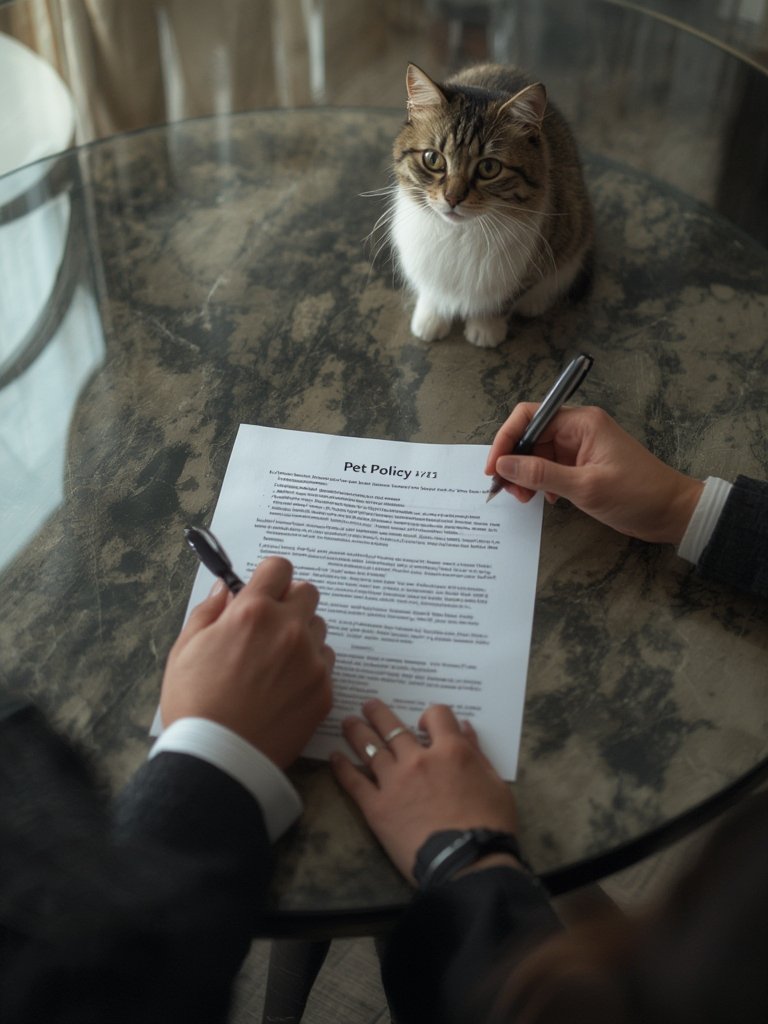
For a detailed template and walkthrough of pet policy documentation, refer to pet approval for rental and pet background check guides.
Advanced Analysis & Common Pitfalls With Landlord Pet Policies
Despite clear benefits, a landlord pet policy is not risk-free. Some issues happen more often than you might expect:
- Poor screening or inconsistent enforcement. If screening is cursory or policies are only sometimes enforced, disputes and accidental lease violations spike.
- Unclear or incomplete documentation. Too many landlords skip the pet addendum or fail to specify pet rules in writing—a recipe for confusion and legal gray areas.
- Low clarity on fees and deposits. Tenants resent unclear deposits or high monthly pet rent and may try to sneak in pets, undermining trust.
- No plan for damages or neighbor complaints. With no clear process, property damage or nuisance complaints can lead to drawn-out disputes.
- Failure to regularly inspect or update policy. Outdated paperwork and skipped inspections leave landlords exposed if tenant or pet situations change mid-lease.
Below is a simple comparison of common landlord approaches to pet screening and their trade-offs:
| Approach | Pros | Cons |
|---|---|---|
| No Pet Policy (No Pets Allowed) | Lowest direct risk of pet damage | Longer vacancies, lost revenue, potential for “hidden pets” |
| Basic Pet-Friendly Policy (Unstructured) | Faster leasing, higher demand | Inconsistent enforcement, higher dispute risk |
| Structured Policy + Pet Screening | Balanced risk, higher tenant satisfaction, reduced disputes | More paperwork, slightly higher admin workload |
| Full “Pet-Inclusive” with Third-Party Screening | Stands out in the market, top retention, streamlined compliance | Requires fee negotiation, external screening costs |
Legal complexities also matter. In the US, no one-size-fits-all law dictates pet policies, although you must always accommodate service animals and emotional support animals under federal Fair Housing law. For the latest compliance tips and legal must-knows, check out this legal compliance guide.
Poor communication with tenants remains a top pitfall. Ensure your policy, expectations, and enforcement procedures are spelled out in writing and reviewed at every lease renewal. For streamlined screening and approval documentation, see recommended solutions in pet screening cost and pet verification service.

Conclusion
A well-crafted landlord pet policy is your best opportunity to fill units faster, increase tenant retention, and protect your investment. The key is structure: define your rules, screen carefully, and document everything. With clear communication and regular review, your landlord pet policy can give you the edge in an increasingly competitive rental market. Ready to upgrade your property management? Start building your pet policy today for better returns and happier tenants.
FAQ
Do I have to allow pets in my rental property?
No, unless required by law for service animals or emotional support animals. Standard pets are at your discretion, but pet-friendly policies often lease faster and retain tenants longer.
What fees can I charge for pets?
Most landlords charge a pet deposit (typically $287-$311) or a monthly pet rent (around $34), but exact amounts depend on local regulations and market trends.
How does pet screening work?
Tenants complete a pet application and submit documentation (vaccination history, pet profile, photos). You—or a third-party service—review behavior, vet records, and risk factors before approval. For more, see pet screening process.
What about service animals or ESAs?
Service animals and emotional support animals are protected by law in the US—these do not count as regular pets, and fees or deposits may not apply. Learn about compliance at ESA verification for housing.
How can I make my pet policy stand out?
Be transparent, allow flexible screening, and minimize restrictions. A fully pet-inclusive approach with structured screening attracts premium tenants. Streamlined pet application and clear documentation are key.