

core aeration service is a proven lawn care technique that can unlock healthier, thicker grass—if done right. Most homeowners want greener results, but core aeration often gets overlooked or misunderstood. In this guide, you’ll see what really happens after core aeration, how to do it step-by-step, and why it’s different from spike aeration or dethatching. Avoid common mistakes and find out how to get the lawn you want, wherever you live.
Key Takeaways
- Core aeration relieves soil compaction, improves nutrient uptake, and supports stronger root growth for a healthier lawn.
- Common pitfalls include short-term mess, potential lawn disruption, and confusion over equipment types—know what to expect and how to prepare.
- Aeration timing and methods should be matched to your climate/grass type; costs vary by region and lawn size, so plan accordingly.
- The Core Concept
- Step-by-Step Guide
- Advanced Analysis & Common Pitfalls
- Conclusion
- Frequently Asked Questions
The Core Concept
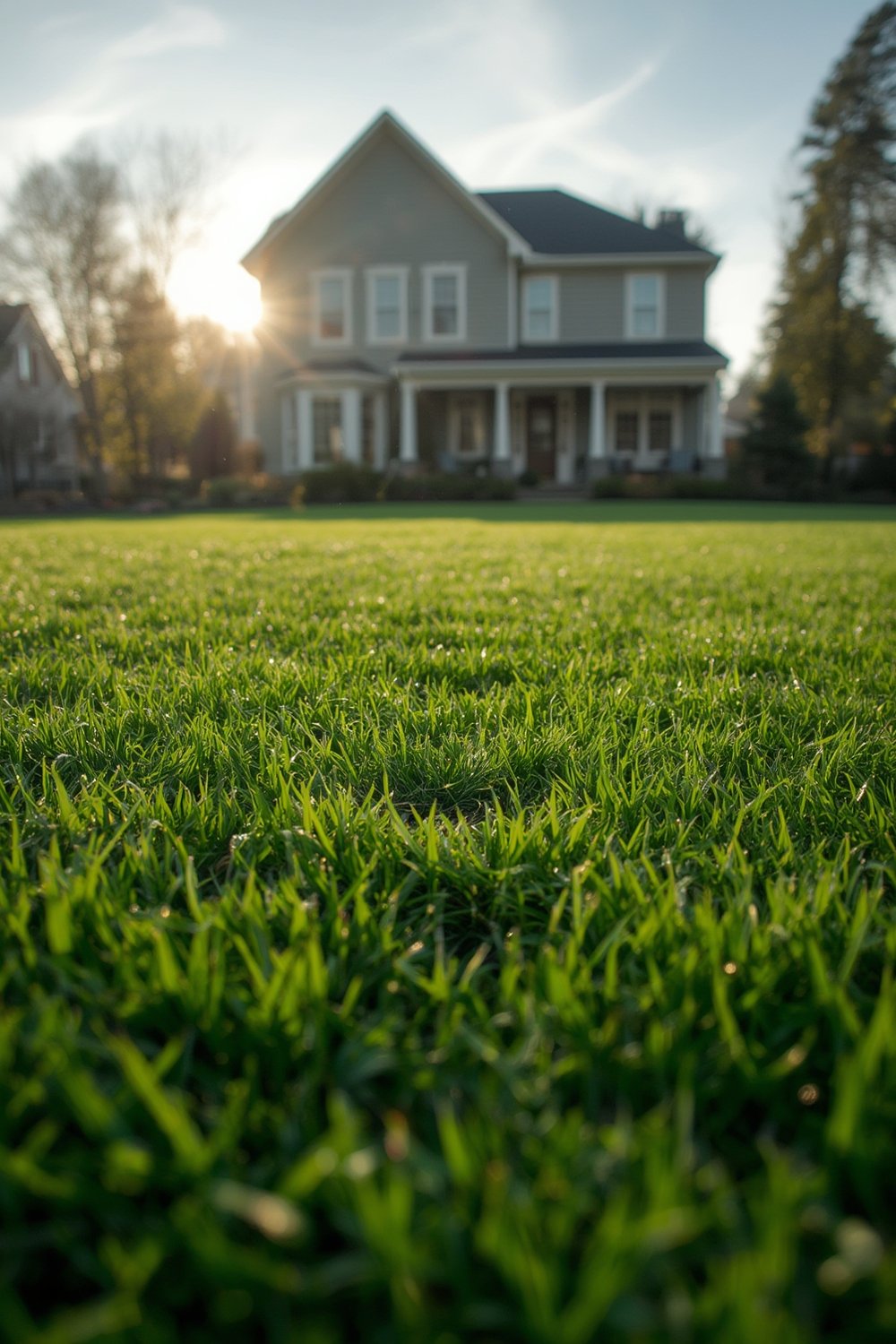
Core aeration service refers to the process of removing small plugs of soil from your lawn using specialized equipment. The purpose is simple: relieve soil compaction, increase oxygen, and create channels for water and fertilizer to reach the grass roots. This process helps lawns recover from summer stress, bounce back from heavy foot traffic, and supports thick, resilient grass—especially when combined with overseeding. In contrast to dethatching (which removes surface thatch) or overseeding (spreading new seed), core aeration works by physically opening up the soil structure at a deeper level, driving long-lasting change below the surface.
Step-by-Step Guide
Ready to get started? Here’s a clear, realistic walkthrough for scheduling and performing core aeration service on your property:
- Assess Your Lawn: Check for signs of compaction (hard soil, standing water, slow growth), excessive thatch (more than 1/4 inch), or patchy areas that could benefit from overseeding.
- Choose the Right Timing: For cool-season grasses (fescue, bluegrass), aerate in fall for best results. For warm-season grasses (Bermuda, zoysia, St. Augustine), target late spring to early summer (source).
- Select the Proper Equipment: Prioritize a core (plug) aerator over spike-type machines. Cores that are 1-2 inches long and 2-4 inches apart provide optimal results (source).
- Mow and Water Before Aeration: Cut the grass slightly shorter than normal and water deeply 24 hours before aeration, which softens the soil and makes plug removal easier.
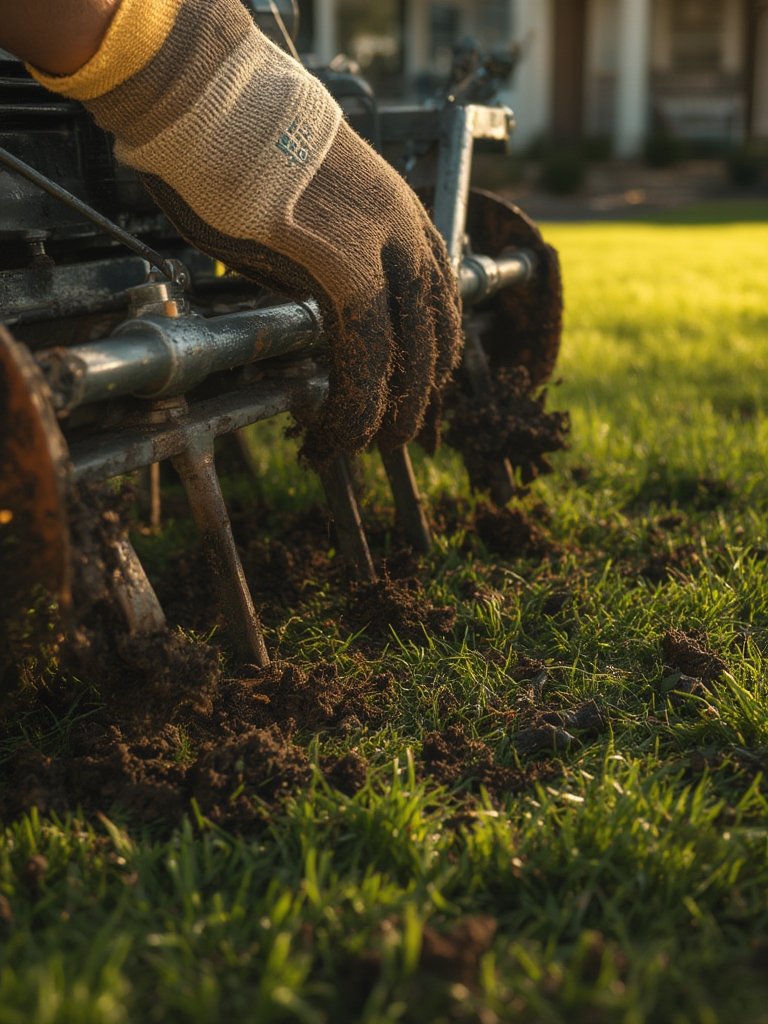
- Aerate Thoroughly: Make overlapping passes to ensure maximum coverage, especially in high-traffic or compacted zones. For overseeding immediately after aeration, perform double crisscross passes (source).
- Leave Soil Plugs in Place: Don’t rake the plugs—they’ll break down with rainfall and mowing, returning valuable microbes to the soil.
- Follow Up: Consider overseeding immediately after aeration and apply fertilizer for best results. Resume normal mowing once new grass is established.
- Plan for Regular Aeration: Most lawns benefit from annual core aeration, though sandy or lightly trafficked areas may get by with every other year. Monitor soil compaction and adjust as needed.
If you’re considering a full renovation, look into lawn treatment service options as well. Want to boost curb appeal after core aeration? Explore the best ways to fertilize the lawn for lasting results or see the guide on home improvement trends for 2024 projects with proven ROI.
Advanced Analysis & Common Pitfalls
Core aeration service comes with tangible benefits—but also brings a few challenges that many homeowners don’t anticipate. Here’s what to watch out for, according to recent research and real-world experience:
- Messy Lawn: Aeration leaves hundreds of soil plugs on your lawn. While they break down naturally, they can look unsightly for a week or two—sometimes longer in dry weather.
- Short-term Disruption: Immediately after aeration, your lawn may look rough and bumpy. This is temporary, but can surprise first-time users.
- Inadequate Depth: Rental and lightweight home units may not penetrate deeply enough, especially in hard clay. Professional-grade equipment (removes 1-2 inch plugs) produces better results (source).
- Potential Equipment Damage: Sprinkler heads, shallow utility lines, or invisible dog fences can be damaged by heavy aerators. Always flag or map vulnerable spots before aerating.
- Confusion with Spike Aeration: Some services still use spike aerators, which can compact the soil further if misused. True core (plug) aeration is more effective, especially for persistent compaction (see detailed differences).
Here’s a quick cost and process comparison of common lawn care services:
| Service | Average Cost | Notes |
|---|---|---|
| Core Aeration | $150–$300 | Per 500–1,000 sq. ft. source |
| Overseeding | $100–$160 | Immediate after aeration recommended. source |
| Reseeding | $50–$80 | Small patch work, often combined with aeration. source |
For region-specific guidance, it pays to seek out insights from a local contractor (see contractor for home improvement or lawn care services guides). Timing and frequency can shift based on soil, rainfall, and grass type.
Conclusion
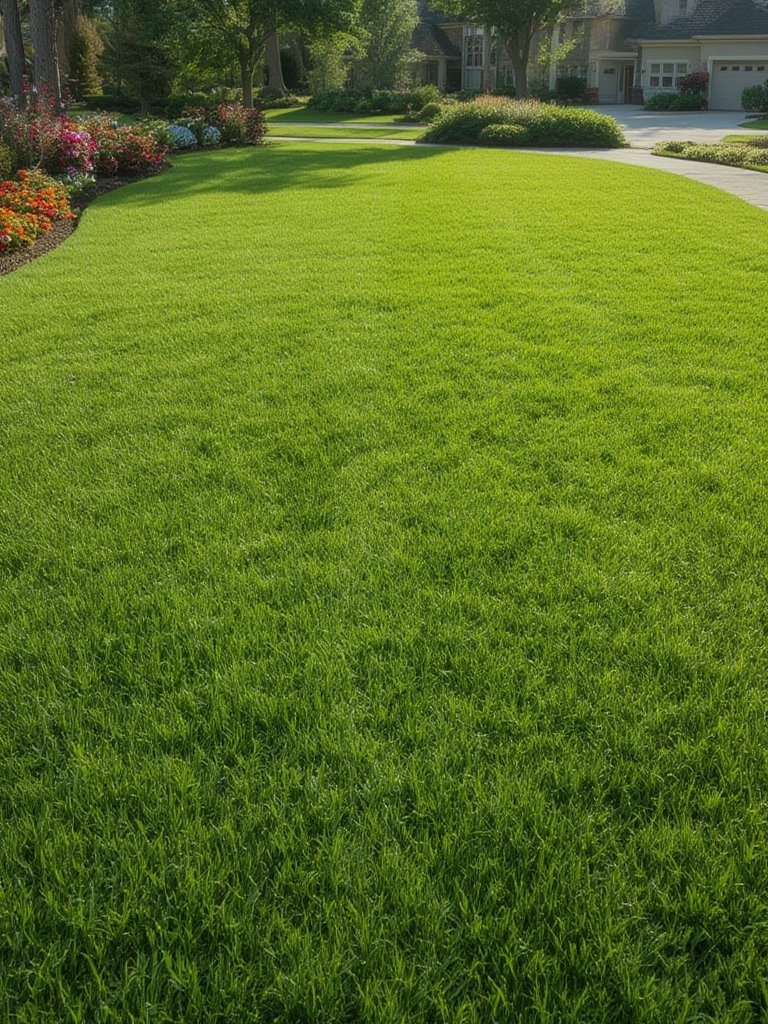
When done right, core aeration service is one of the most effective steps for lasting lawn improvement—especially for properties struggling with compacted soil, drainage issues, or thin turf. It’s cost-effective, safe for most grass types, and proven to deliver a thicker, healthier lawn over time. Know the process, anticipate the short-term mess, and coordinate the right timing for your climate zone. If you’re not sure where to start, pairing aeration with overseeding and seasonal fertilization (see our guide to lawn care in 2024) will give you pro results without waste. Try the steps above for your next core aeration service and see the benefits for yourself.
Ready to transform your yard? Schedule a pro-level core aeration or get DIY gear today—your grass will thank you.
Frequently Asked Questions
How do I know if my lawn needs core aeration service?
If your lawn feels hard, drains slowly, develops bare spots, or has excessive thatch, it likely needs core aeration. Try the screwdriver test: if you can’t easily push a screwdriver 2 inches into the soil, your lawn is probably compacted.
Can I do core aeration myself or should I hire a pro?
DIY is possible with rented equipment, but professional services often provide deeper, cleaner soil plugs and save you time and effort. Renting may not be practical for large or tough lawns.
When is the best time of year to schedule core aeration?
For cool-season grasses, fall is best. For warm-season grasses, aim for late spring or early summer once the lawn is actively growing. Avoid hot, dry weather or mid-dormancy.
Is spike aeration as effective as core aeration?
No. Spike aerators create holes without removing soil. They can actually make compaction worse in many soils. True core (plug) aerators deliver much better results for root growth and water penetration.
What’s the typical cost and does it vary by region?
Expect to pay $150–$300 per service for small lawns (500–1,000 sq. ft.), with costs increasing for larger lots or high-labor zones. Regional labor rates and lawn conditions will impact pricing.