

Pet screening apartment procedures are now a standard part of renting in pet-friendly buildings across the U.S. With pet ownership at record highs, knowing how pet screening works and what to expect helps renters and landlords avoid headaches, fees, or denied applications.
Key Takeaways
- Most apartments require pet screening, which usually involves sharing detailed information and documentation about your pet before approval.
- Clear documentation—like vaccination proof and training records—can speed up the process and avoid delays or denials.
- Renters should be aware of privacy considerations, appeal processes, and the unique rules for assistance animals during pet screening.
- What Is Pet Screening for Apartments and Why Is It Required?
- How to Complete Rental Pet Screening Successfully
- Common Pitfalls, Privacy, and Real Drawbacks Explained
- Conclusion
- Frequently Asked Questions
What Is Pet Screening for Apartments and Why Is It Required?
Pet screening for apartments is a formal process where renters provide information and documentation about their pets to landlords or property managers. It verifies that pets meet building requirements, ensures pets are healthy, up to date on vaccinations, and helps reduce risks of damage, noise, and liability for all residents.

The surge in U.S. pet ownership—from 56% of households three decades ago to 66% in 2024—has pushed nearly 80% of rental apartments to allow pets, particularly in the South and Midwest. However, few properties grant unconditional pet access. Instead, screening ensures fair housing compliance, individual pet assessment, and responsible pet ownership. See pet-friendly housing statistics for more on national trends.
Managers use dedicated pet screening platforms to collect breed, weight, vaccinations, and even pet training records. Screening is important for several reasons:
- Protects residents and property from poorly controlled animals
- Ensures legal compliance and helps standardize pet rules
- Enables landlords to individually assess pets instead of relying solely on breed/weight bans
Screening is now as common as tenant background checks, with most large management companies adopting it. If you’re looking at a pet-friendly apartment—or plan to move with your pet—expect to complete this process.
For more on what pet screening is and how it protects tenants and landlords, check out our full pet screening definition guide.
How to Complete Rental Pet Screening Successfully
Pet screening can be smooth if you know what to expect and prepare ahead. Here are the practical steps to complete the process as a renter:
-
Read the Apartment’s Pet Policy Carefully
Before you apply, check for breed, weight, or number limits, as well as documentation requirements. Some properties use blanket restrictions, while others do individual screening.
-
Gather All Required Documentation
Be ready to provide:
- Pet’s breed, weight, and age
- Vaccination records (rabies and others)
- Pet license or microchip details, if required
- Recent photo of your pet
- Proof of training or certifications (for certain breeds or service animals)
Some services may request additional information, such as veterinary contacts or references from previous landlords.
-
Submit Information Through the Screening Portal
Most large management companies use online portals to collect pet data and documents. Popular providers like PetScreening or OurPetPolicy guide you through uploading each form. Accommodation requests for assistance animals require extra legal paperwork per HUD guidelines.
-
Pay Any Required Fees or Pet Deposit
Pet screening may involve a one-time non-refundable fee. Separate fees or increased deposit amounts can apply for higher-risk pets or multiple animals. Pricing varies widely—typically ranging $15-$30 per pet—but always ask for a fee breakdown before you pay. Learn more about costs and fee structures here.
-
Wait for Decision and Approval
After you submit, most platforms provide an approval, conditional approval, or rejection, sometimes with a pet “score” based on vaccination, breed, and training. Timelines can vary—ask if approval is automatic for basic documentation, or if manual review is required.
-
Address Any Issues or Appeals
If your pet is declined or asked to provide more info, respond promptly. If you feel a rejection is unfair, inquire about the formal appeals process—especially if federal or state laws about service animals may apply.
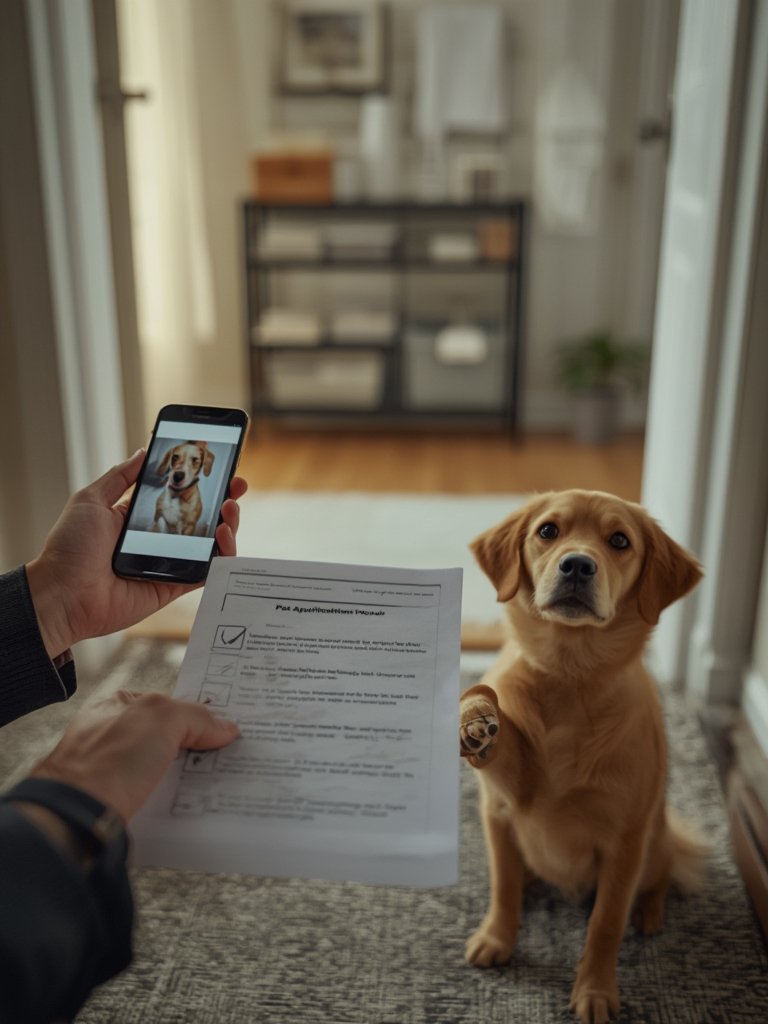
Landlords should make sure their screening process is clear and Fair Housing Act compliant. Technology like AI-driven tools helps flag undeclared pets, but human review is essential for edge cases and appeals. For a deep dive into best practices for managing pet screening and compliance, visit our proven pet screening guide for landlords and tenants.
Want to see how your pet scores? Read about pet screening approval metrics and improving your chances in our pet screening score explainer.
Common Pitfalls, Privacy, and Real Drawbacks Explained
Despite the benefits, pet screening is not perfect. Here’s what both renters and landlords should watch for:
- Long Approval Times: If required documents are missing or complicated cases arise (like unique breeds or assistance animal disputes), screening can drag on, delaying move-ins.
- Hidden or Shifting Fees: Renters may face separate fees for screening, security, monthly “pet rent,” and premium costs for higher-risk animals, especially in larger cities. Always ask for a written breakdown to avoid surprises.
- Bottlenecks for Assistance Animals: Service and emotional support animals fall under different rules. Landlords may not require standard fees or breed information for these pets—but may ask for formal documentation under Fair Housing guidelines (learn more).
- Privacy and Data Security Gaps: Many platforms collect sensitive information but are unclear on how long data is stored or if it’s shared with third parties. Clarify privacy policy details before submitting, especially if you’re concerned about personal or animal data use. For related insights on data protection for home technology, check our smart home upgrades article.
- No Standard Appeals Process: If your application is denied, some platforms offer no clear route to dispute the outcome, putting renters with less common pets at a disadvantage.
| Issue | Landlord Impact | Renter Impact |
|---|---|---|
| Slow Approvals | Delays filling vacancies | Delays move-in, disrupts planning |
| Unclear Fees | Potential legal disputes | Unexpected costs, budget issues |
| Privacy Concerns | Reputational risk, compliance issues | Data misuse, identity risk |
| No Appeals | Tenant dissatisfaction | Denied without recourse |
| Over-reliance on AI | False positives, missed risks | Erroneous rejection, extra paperwork |
Landlords benefit from fewer property damages, higher pet rent revenue, and reduced legal exposure when screening is done well (see property manager best practices). Still, drawbacks exist—especially around complaints, fee transparency, and unresolved appeals.
On the renter side, a standout benefit is the individual assessment that can allow well-trained or unique pets access to housing once denied under blanket rules. If your building uses a pet screening system, clarify privacy protections and appeal options in advance. For more on choosing pet-friendly rentals with minimal stress, review our proven pet shopping and apartment pet policy guide.

Conclusion
Pet screening apartment processes protect both renters and landlords—when done fairly and transparently. By preparing your documentation in advance and checking policies for appeals and privacy, you can avoid the common pitfalls and secure your ideal rental. As apartment pet policies become more widespread, expect pet screening apartment requirements to keep evolving. For the best results, stay organized, ask clear questions, and advocate for your pet with quality information.
Ready to apply? Gather your pet documents, double-check your prospective building’s pet policy, and approach the process confidently. Visit our guide to pet screening best practices or improving your pet’s screening score for more ways to increase your chances of approval.
Frequently Asked Questions
What is pet screening and why do apartments require it?
Pet screening for apartments requires renters to submit detailed information and documents about their pets—such as breed, vaccination status, and sometimes training—so landlords can assess eligibility, reduce risk, and ensure compliance with legal and property rules. Most apartments use it to create safer communities and fairly judge each pet instead of relying only on breed or weight bans.
How much are typical pet screening fees?
Pet screening fees typically range from $15 to $30 per pet but can vary depending on the property, city, or screening provider used. Additional pet deposit, monthly pet rent, or risk-based fees may also apply. Always confirm the full fee schedule with your landlord before submitting.
What documents do I need to prepare for apartment pet screening?
Prepare recent vaccination records, your pet’s breed and weight info, a photo, licensing details, and—if requested—training certificates or references. Assistance animal requests require legal documentation under Fair Housing rules.
Can apartments deny my pet if it’s an assistance animal or emotional support animal?
No, landlords must make reasonable accommodations for valid service or emotional support animals under HUD and Fair Housing Act guidelines, provided you offer proper documentation. However, disruptive or dangerous animals can still be denied, regardless of designation. Read up on fair housing rules for more details.
Is my information and my pet’s data safe during the screening process?
Most major screening platforms claim to follow standard data protection policies, but details can be unclear. Before submitting sensitive info, review the platform’s privacy policy and ask the landlord how and where your information is stored or shared.