

### Blog Post:
Pet risk factors rental is a crucial topic for landlords, property managers, and renters in 2024. With more renters owning pets, understanding the real risks and modern screening practices is essential to minimize property damage, prevent revenue loss, and maintain positive landlord-tenant relationships.
Key Takeaways
- Pet-related damage in rentals is much lower than commonly assumed—only 9% of pets cause issues, with average losses below most deposits.
- Traditional breed and weight restrictions do not effectively predict or reduce risk. Data-driven pet screening yields better outcomes for both landlords and tenants.
- Unauthorized pets and a lack of formal screening increase risk and lost revenue. Comprehensive screening tools and clear pet policies are the new standard.
- The Core Concept: Pet Risk Factors in Rentals
- Step-by-Step Guide: How to Screen and Manage Pet Risk in Your Rental
- Advanced Analysis & Common Pitfalls
- Conclusion
- FAQ
The Core Concept: Pet Risk Factors in Rentals
Pet ownership among renters is surging, and housing providers face key decisions about which animals—and which tenants—to approve. But what are the real pet risk factors rental property operators need to know? Recent reports show that only a small minority of pets cause property damage, and that damage is usually minor, averaging just $191–$210 nationally—a sum often surpassed by most security deposits. In fact, studies have found little to no difference in overall property damage between units with and without pets.
So why do many landlords still use strict breed and weight restrictions? These rules have long been thought to protect investments, but new data reveals they provide little actual risk reduction, and sometimes serve as an unnecessary barrier in an increasingly pet-inclusive rental market. The most pressing problems property managers cite are pet-caused damage and especially unauthorized pets. Unauthorized pets—not properly screened or tracked—are a major cause of avoidable costs and lost revenue. Data-driven risk analysis, comprehensive screening, and clear pet policy updates can create better outcomes for everyone.

Step-by-Step Guide: How to Screen and Manage Pet Risk in Your Rental
- Understand Your Real Risk Exposure
Recognize that pet-related property damage is statistically low. Only 9% of pets cause damage, and the cost averages under $210, as detailed in the latest studies. The highest risk comes from unauthorized pets rather than pets on leases or those that have been formally screened. - Implement Comprehensive Pet Screening
Use third-party or in-house screening platforms to document each pet’s behavior, vaccination history, and compliance—rather than relying on breed or weight. These platforms reduce incidents and save countless administrative hours compared to basic vetting alone. Learn the pet screening essentials. - Clarify and Enforce Your Pet Policy
Create a clear pet policy outlining permitted pets, approval process, fees, and penalties for unauthorized animals. Use a dedicated pet policy template for landlords for easy implementation. Make expectations transparent to avoid costly misunderstandings. - Use Tracking and Documentation Tools
Leverage technology to formally register, approve, and periodically re-verify every pet on your property. Tracking helps prevent unauthorized animal risks, and makes fee and deposit collection seamless. Explore more about document requirements with the pet screening documents guide. - Monitor for Unauthorized Pets and Address Quickly
Conduct visual checks and periodic unit inspections (within legal guidelines). Unauthorized or hidden pets drive higher risks and lost revenue. Use warnings, fees, and potential lease action—this step alone closes a major risk gap. - Review Insurance Options Regularly
The insurance industry is moving away from breed bans and shifting toward policies tied to responsible screening. Consult your rental insurer and align your practices with developments. Look for flexibility on animal-related premiums and ensure compliance with your coverage requirements. - Provide pet owner education
Encourage tenants to maintain responsible pet ownership—behavior training, up-to-date vaccinations, and pet resumes or profiles help demonstrate reliability. See more tenant-side actions at pet screening for renters.
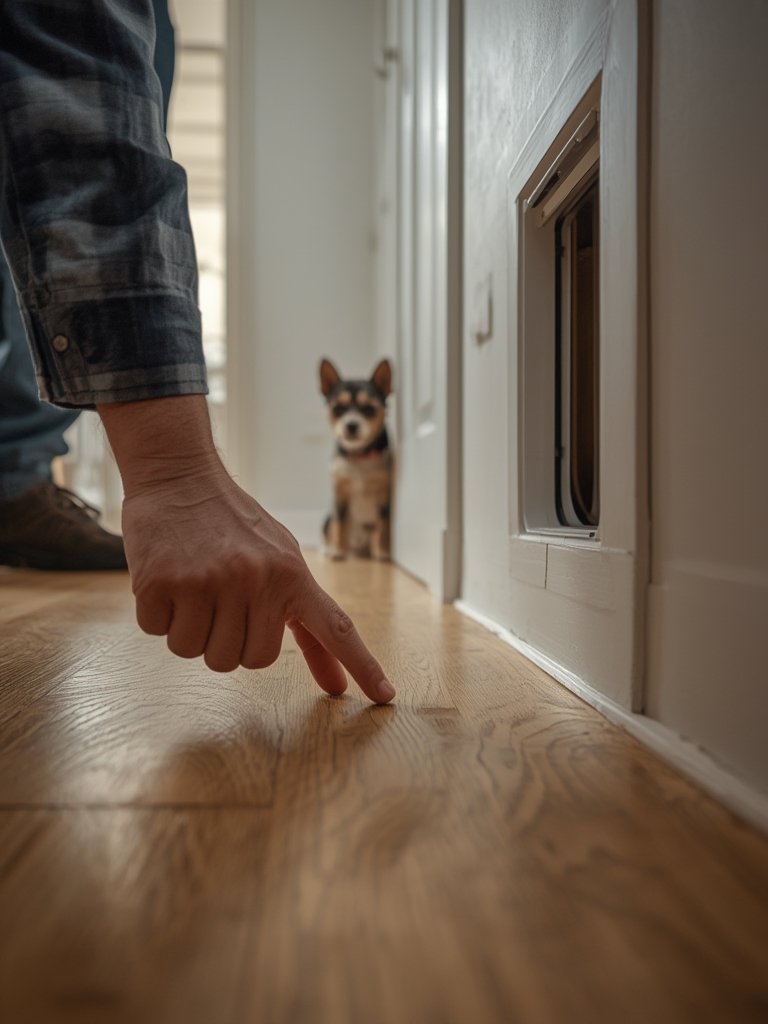
Gone are the days of relying on gut feeling or outdated policies. Instead, implement a step-by-step, documented process and revise your approvals as new pet screening data becomes available. For further insight, review guidance on pet screening requirements and see compliance tips that help secure your rental assets.
Advanced Analysis & Common Pitfalls
Landlords and managers often face challenges that stem from outdated or incomplete pet risk analysis. Here are the biggest pitfalls and issues revealed in recent industry data:
- False Confidence in Breed/Weight Limits: According to recent findings, breed restrictions have no proven link to lower property damage or onsite incidents. More than 90% of “pet-friendly” rentals still impose these rules, needlessly limiting the renter pool and overlooking more predictive risk factors. (Research Source)
- Underenforcement of Unauthorized Pets: Units with unscreened or unauthorized pets experience dramatically higher damage rates—up to 31% versus only 9% for professionally screened pets. Failure to track and enforce policies leads directly to lost revenue and increased repair costs. (2024 State of Pets in Rental Housing)
- Poor Pet Policy Communication: Vague or inconsistently enforced pet agreements lead to confusion and higher risk. Tenants may not disclose all animals or understand consequences for unauthorized pet occupancy.
- Missed Revenue from Fees and Deposits: Properties lacking clear screening and fee structures leave money on the table. Modern practices show a 30%+ increase in pet-related rental revenue when using comprehensive screening and proper documentation. (Rental Housing Journal)
- Lagging on Industry Trends: Insurance providers are loosening prior limitations on breeds but expect thorough documentation and screening. Failing to update practices may result in lack of coverage or out-of-date risk mitigation.
| Risk Factor | Traditional Belief | 2024 Data & Reality |
|---|---|---|
| Breed Restrictions | Certain breeds are “dangerous” or cause most damage | No evidence linking breed to increased incidents or damage; data-driven screening is superior |
| Weight Limits | Larger pets always cause more problems | Less than 10% of “pet-friendly” rentals allow all sizes, but no clear damage correlation |
| Vetting Only By Application | Basic forms are enough | Formal pet screening and tracking reduce risk far more effectively |
| Fee and Deposit Structures | Flat fees cover all risk | Clear, tiered deposits and regular reviews increase revenue and compliance |
| Unauthorized Pets | Rare and not a major concern | Unscreened/unauthorized pets are the top cause of avoidable losses (31% damage rate in affected units) |
To dive deeper into practical policy building and screening best practices, see the landlord pet policy guide and find actionable advice to modernize your approach. Also, for renters aiming to strengthen their application, discover how to make a standout pet resume for apartments and improve approval odds.
Conclusion
Pet risk factors rental decisions are evolving fast. The data shows that responsible, well-screened pets cause minimal damage and predictably low costs, while breed and weight restrictions are less effective than previously thought. The true risks for landlords are underreported pets and lack of rigorous screening—issues that can be solved with technology, clear policies, and regular reviews. For the best results, combine comprehensive screening platforms, updated insurance alignment, and open communication with tenants. Ready to take action? Modernize your pet risk management now—start with screening and formal documentation for every rental pet.
FAQ
Do pets really cause more damage in rentals than tenants without pets?
No. Recent industry studies show little to no difference in average property damage between pet and non-pet units, with average pet-related damage costing $191–$210—well below most security deposits. See the full report.
Why are breed and weight restrictions falling out of favor with landlords?
There’s no evidence these restrictions reduce property damage or incidents. Instead, more landlords are adopting data-driven pet screening focused on behavior and compliance rather than breed or weight.
How do unauthorized pets impact rental property risk?
Units with unauthorized pets see damage rates as high as 31%, versus 9% for properly screened pets. Unauthorized animals also create legal and insurance risks, and lessen potential rental revenue.
What are the benefits of using a professional pet screening service?
Comprehensive screening platforms reduce property damage, improve documentation, support insurance compliance, and increase rental revenue by over 30% in some cases. They formalize pet approvals and deter unauthorized animal occupancy.
How can renters improve their chances of getting pet approval for a rental?
Create a detailed pet resume, collect references, update vaccination records, and be transparent in all application materials. This demonstrates responsibility and improves your screening outcome.
—