

### Blog Post:
Pet background check is now a critical process for landlords and renters aiming to avoid costly property damage, rental disputes, and legal headaches. This guide walks you through the essentials, current industry realities, proven steps, and honest pitfalls—all based on the latest research in 2024.
Key Takeaways
- Unauthorized pets and property damage remain top landlord concerns, often tied to inconsistent or skipped pet background checks.
- Standardized, documented pet screening prevents legal risk and saves time, especially with assistance animal requests.
- Major management companies are now turning to platforms and individual behavior evaluations—not outdated breed or weight bans—for smarter risk and revenue management.
- 1. What Is a Pet Background Check (and Why It Matters)
- 2. Step-by-Step Guide to Running a Pet Background Check
- 3. Advanced Analysis & Common Pitfalls in Pet Screening
- 4. Conclusion
- 5. FAQs
What Is a Pet Background Check (and Why It Matters)
A pet background check verifies a tenant’s pet details, health, behavior history, and owner responsibility before the animal is allowed onto rental premises. For landlords, it’s a defensive business practice to curb property damage, avoid unauthorized animals, and ensure legal compliance.

In 2024, pet ownership across rentals has surged by 81%, according to the PetScreening State of Pets in Rental Housing Report. However, many landlords are still not using structured screening, opening the door to unauthorized pets and hidden liabilities. While breed restrictions (such as pit bulls at 94% restriction rate) remain common, the latest data finds no clear correlation between breed and property damage—underscoring screening quality over outdated bans.
A thorough pet background check covers past bites or aggression, veterinary care, rental non-compliance, and neighbor complaints. Skipping this leaves landlords exposed to costly damage, liability, and possible Fair Housing Act lawsuits, especially if assistance animal rules are mishandled.
For step-by-step best practices, you can also see our in-depth guide to pet screening.
Step-by-Step Guide to Running a Pet Background Check
The best results come from a clear, repeatable process—preferably using a recognized pet screening service for documentation and compliance. Here’s how to do it:
-
Require a Completed Pet Application
All tenants (even those claiming no pets) should fill a pet status form. This stops unauthorized animals from slipping through and sets expectations for honest disclosure. -
Collect Documentation
Request vaccination and rabies records (mandatory in most areas), proof of spay/neuter, and city pet licenses. These confirm that the pet is healthy and legal to reside on the premises. -
Run a Third-party Pet Screening
Use a platform like PetScreening to access a FIDO Score (risk rating), vet and landlord references, and documented history of aggression or animal control violations. A “modest fee” is typical and costs are often borne by tenants.- Avoid breed and weight restrictions as your sole filter—these are increasingly challenged legally and do little to stop actual property risk.
-
Include a Pet Interview/Observation
Some landlords choose a brief, in-person evaluation or video call with the pet to observe temperament and behavior directly. This is optional but can flag obvious problems. -
Ensure Assistance Animal Requests are Properly Vetted
Under the FHA and ADA, landlords must allow service and emotional support animals—even if their rental is otherwise “no pet.” Using a standardized form and a screening service helps navigation and record keeping, preventing costly discrimination lawsuits. -
Define Pet Fees and Deposit Structure Clearly
Make sure all screening results feed directly into your rental pet policy and lease addendums. Transparency cuts disputes and helps capture the 30.7% revenue increase reported by PetScreening clients.- For detailed pet screening application insights, see our pet screening application guide.
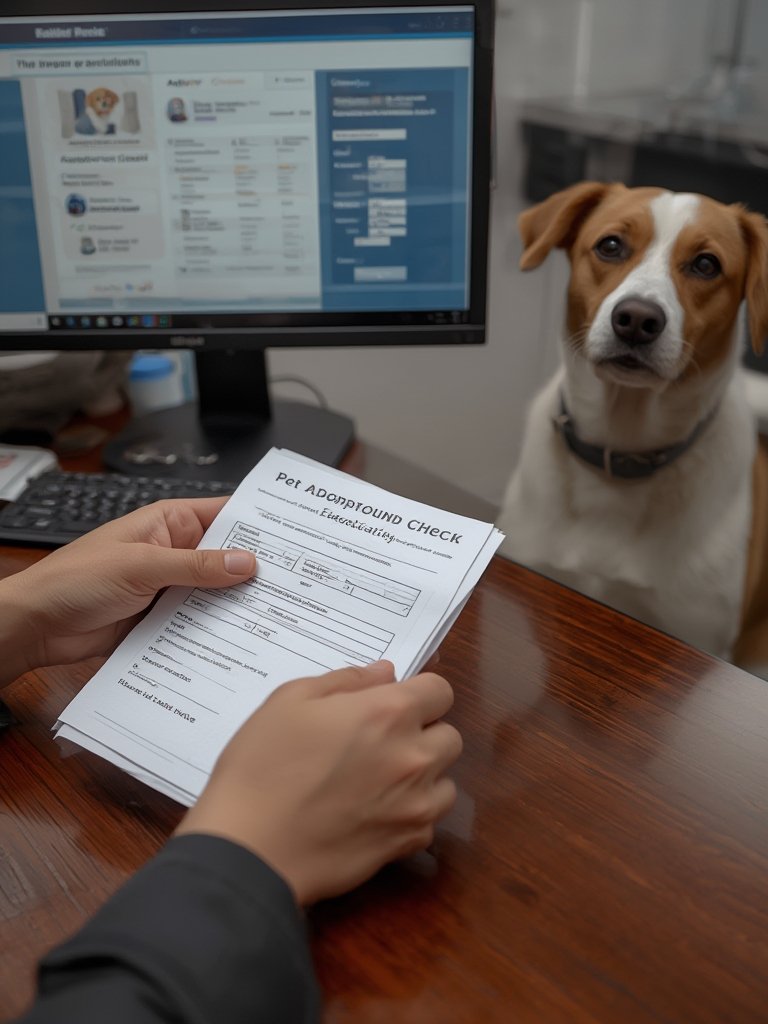
To streamline the entire workflow, top firms now integrate their screening platform with property management software, storing pet files, vaccination expiry dates, and fee records all in one place. For more advanced screening concepts, our pet screening tool comparison is a must-read.
And if you want to audit or strengthen your landlord pet policy, now’s the time—before problems occur.
Advanced Analysis & Common Pitfalls in Pet Screening
Pet background checks aren’t foolproof, and bad habits cost real money. Here’s what evidence and operator surveys reveal:
- Skipping Pet Screening = More Unauthorized Pets
Operators highlight that 81% of pet ownership growth is straining unprepared landlords—unauthorized pets and property damage are top complaints. Without screening, landlords miss out on pet fee revenue and open themselves to risk, with no statistical advantage to blanket breed bans (source). - Confusion Around Service/Support Animals
Misclassifying an ESA or denying a reasonable accommodation can lead directly to Fair Housing complaints and lawsuits. Top services saved 1.3 million hours by documenting such requests properly. - Data & Document Collection Overwhelm
Landlords cite gathering vet references, vaccination records, and proof of spay/neuter as the most time-consuming step—especially when done ad hoc. Proper digital workflows matter. - No Quantifiable ROI without Screening
Many property owners can’t track pet revenue loss or reduction in incidents unless they implement a consistent check. With PetScreening clients reporting a 30.7% boost in pet fee collection post-screening, the business case is compelling, yet undermeasured at industry level. - Legal Risks from Inconsistent Policies
Blanket restrictions and inconsistent enforcement open the door for discrimination claims—and insurers are starting to drop breed bans in favor of individualized risk assessment (source).
| Pitfall | What Happens | How to Avoid |
|---|---|---|
| Inconsistent Pet Policy | Discrimination claims, administrative mess, lost rent | Use standardized screening and clear written policies; integrate a screening platform |
| Manual Doc Collection | Missed paperwork, renewal delays, missed revenue | Collect files digitally; leverage third-party screening services |
| Breed or Weight Restrictions Only | No actual risk reduction, potential lawsuits, insurance gaps | Screen by pet history (health, temperament, references) for real risk management |
| Ignoring Assistance Animal Laws | HUD/FHA fines, legal exposure | Follow FHA/ADA rules, use platforms with built-in compliance |
For high-performing digital landlord systems, integrating pet screening tools is just as important as adopting smart home upgrades or modern home improvement tools for value protection.

Conclusion
A consistent, fair, and documented pet background check process prevents the most common rental headaches—damage, legal complaints, and missed income. It’s not just about saying yes or no to pets; it’s about protecting your property, your revenue, and your peace of mind. Start implementing a standardized pet screening today, and check out our full guides on pet verification services and landlord best practices to get ahead of the curve.
Ready to futureproof your rental? Adopt a robust pet screening workflow now—or risk learning the hard (and expensive) way.
FAQ
What does a pet background check include?
A pet background check usually covers vaccination and spay/neuter status, history of aggression (like bites), vet and landlord references, and compliance with local pet laws. Leading services also rate pets by risk score (like FIDO Score) and verify documentation.
How much does a pet background check cost?
Most platforms charge a modest fee, often $20-$35 per application—usually paid by the tenant. Comprehensive services include vaccination verification, references, pet history checks, and documentation storage. Cost can vary based on detail level and provider.
Is breed or weight restriction still necessary?
Recent data shows breed and weight restrictions have no proven correlation with property damage. Most operators now shift to behavior and history-based screening. Some insurers have dropped breed bans, making history-based checks both safer and more compliant.
What legal risks exist if I skip a pet background check?
Skipping screening can expose landlords to discrimination claims under the Fair Housing Act, property insurance issues, and higher incident rates. Failing to properly handle service or support animal requests is especially risky and can result in costly legal action.
Can a pet background check really boost rental revenue?
Yes. Landlords and managers using streamlined pet screening report up to 30.7% higher pet fee collection and fewer administrative/legal issues. Consistent, thorough screening also helps prevent unauthorized pets and related disputes.