

Pet approval for rental is now a make-or-break hurdle for millions of renters in 2024, often adding anxiety and extra paperwork to the move-in process. Understanding how pet approval for rental works, what documentation landlords require, and how to avoid costly mistakes is key to renting with your pet—without the stress or risk of rejection. Let’s break it all down with actionable strategies, research-backed facts, and real-world advice you can use today.
Key Takeaways
- Over half of U.S. rentals allow pets, but most use strict pet approval processes with required documentation and sometimes additional screening fees.
- Common reasons for pet application rejection include incomplete paperwork, unauthorized pets, mismatched pet descriptions, and missing veterinary records.
- Taking proactive steps—such as preparing a complete pet resume, gathering all documentation, and understanding each landlord’s specific rules—significantly boosts your pet’s chances of approval.
- What Is Pet Approval for Rental and Why Does It Matter?
- How to Successfully Navigate Pet Approval for Rental: Step-by-Step Guide
- Advanced Analysis: Common Pitfalls and Tough Policy Problems in 2024
- Conclusion & Take Action
- FAQs on Pet Approval for Rental (2024)
What Is Pet Approval for Rental and Why Does It Matter?
Pet approval for rental is the landlord or property manager’s official OK for you to keep a cat, dog, or other animal in your rental unit—usually after a review of your pet’s health, temperament, and history. With just 57% to 80% of U.S. rentals allowing any pets in 2024 (source, source), a formal process is the norm. This process protects landlords from damage and nuisance issues, but for renters, it means more paperwork, extra costs, and potential rejection if rules aren’t followed precisely.
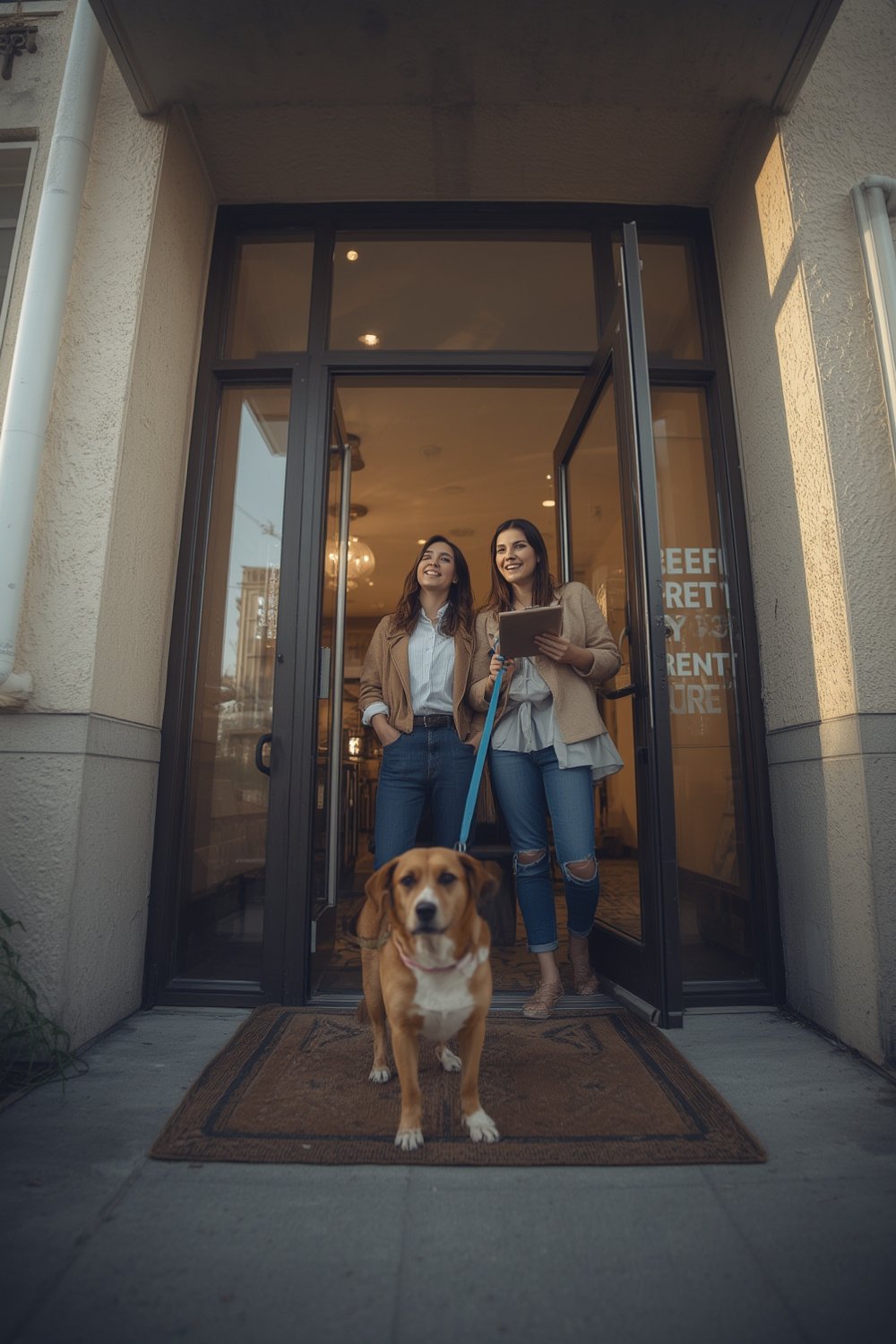
Key features of pet approval today include:
- Detailed pet applications (with photos, vet records, proof of spay/neuter, prior references)
- Breed and size restrictions, especially for dogs
- Nonrefundable application or screening fees
- Monthly pet rent and/or deposits (where state laws allow separately from standard security deposits)
Skipping any of these often leads to delays, increased costs, or outright denial—especially with the growing use of third-party pet screening tools. If you want a stress-free rental experience with your pet, understanding the approval process is absolutely essential.
For a more detailed guide on how landlords use pet screening and pet policies, check out our expert resource.
How to Successfully Navigate Pet Approval for Rental: Step-by-Step Guide
-
Start Your Rental Search on Pet-Friendly Platforms
Use trusted listing sites that allow you to filter by pet policies. Focus your search on units clearly marked as “pet-friendly”—this avoids wasted energy applying where pets are not allowed at all (source).
-
Read the Fine Print of the Pet Policy
Every landlord or property manager sets their own rules. Review size, breed, and species restrictions, plus any limits on the number of pets. Look for details about documentation, deposits, and approval steps you must follow.
-
Gather All Required Documentation—Don’t Skip Anything
- Clear, recent photos of your pet (usually required to be updated yearly)
- Current vaccination records (rabies vaccination is a minimum requirement everywhere)
- Proof of spay/neuter (required by many landlords and some cities)
- Veterinarian’s contact information
- Previous landlord or property references that speak to your pet’s good behavior
💡 Pro Tip: Build a digital “pet resume” in advance with all of this information—including a one-page letter from your vet confirming shots, training, and temperament. This keeps you ready for any landlord request and helps you stand out from other applicants. Learn how to craft your own pet profile for apartments.🔥 Hacks & Tricks: Ask your vet or pet sitter for a reference letter. A professional endorsement from a third party can tip the scales with cautious landlords. -
Prepare for a Pet Interview or Observational Assessment
Some landlords (especially smaller management companies) want to meet your pet or observe them in person. They’ll look for calmness, social behavior, and responsiveness. Behavior issues or obvious mismatches with your paperwork can trigger instant rejection (source).
-
Submit Your Application with All Documentation Upfront
Attach your pet’s resume, all scanned docs, and reference letters. Double check every item. Incomplete files are a common reason pet applications are delayed or denied.
-
Budget for Fees and Deposits
Be ready to pay nonrefundable pet screening fees, a pet deposit (unless capped by state law), and monthly pet rent. In California, overall deposits can’t surpass one month’s rent—but in many states, pet-specific fees and deposits are still allowed (source).
For more details on typical charges, see our guide on pet screening cost.
-
Follow Up Promptly & Address Any Issues Directly
If a landlord asks for extra evidence or clarification, respond right away. Pet application windows are often brief, and landlords may move on to the next qualified (pet-free) applicant quickly.
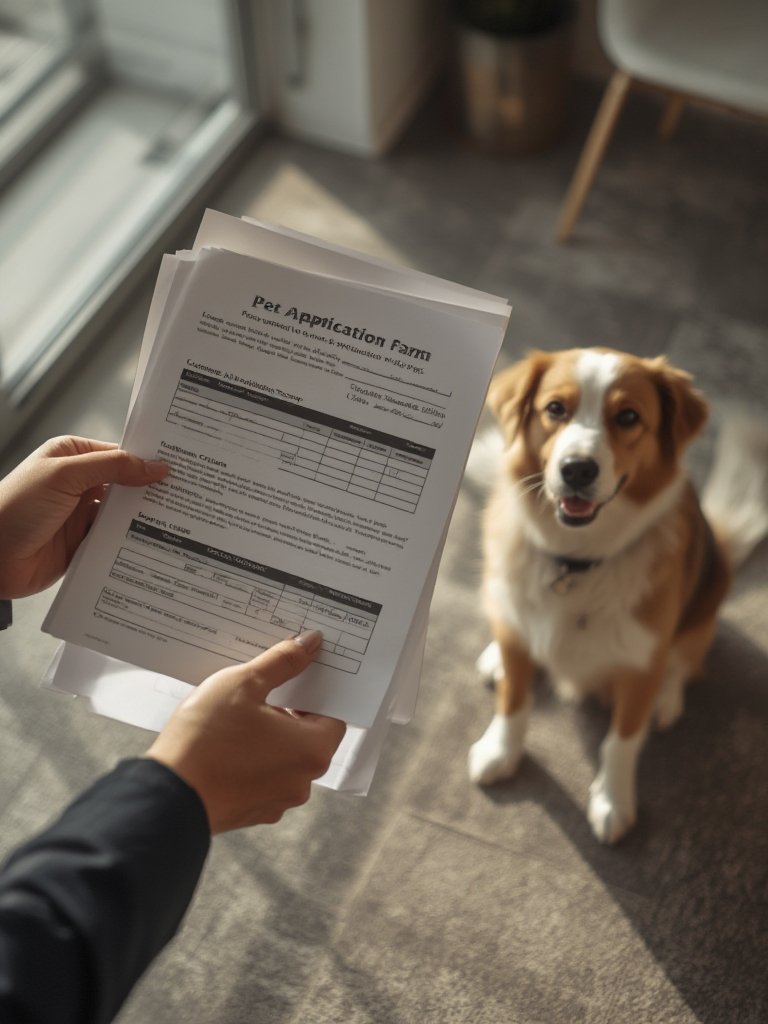
Still worried about approval? Some platforms provide a pet screening service that vets documentation for both landlords and tenants. Learn how to pass this process with our step-by-step approval guide.
In tough regional markets (San Francisco, New York, major college towns), competition for pet-friendly units is fierce—prepare extra reference letters and renew your documents even before finding your next rental.
Advanced Analysis: Common Pitfalls and Tough Policy Problems in 2024
Even if you follow the steps above, you might run into unexpected setbacks. Here’s where most renters struggle (based on real-world property manager feedback and research):
| Pitfall | What Happens | 2024 Reality/Advice |
|---|---|---|
| Missing or outdated pet documentation | Application is delayed or denied. Landlord won’t chase you for missing files. | Gather vaccination records and proof of spay/neuter before you search for an apartment. |
| Undisclosed or “secret” pets | Top cause of eviction or nonrenewal. Landlords cite cases of hidden pets as deal-breakers. | Be 100% honest—lying leads to eviction, damages, and even lawsuits. |
| Breed/size restrictions not checked in advance | Wasted application fees, immediate rejections (especially for large dogs or restricted breeds). | Filter searches for specific breed and weight allowances. Clarify with the property manager if unclear. |
| High ongoing costs (pet rent, screening fees) | Sticker shock or financial strain mid-lease. | Budget ahead or negotiate fees before signing. Learn the real numbers in our pet screening cost guide. |
| Unclear property management rules (different staff say different things) | Frustration, delays, and legal disputes. | Get all pet rules and requirements in writing before paying any deposit or fee. |
Other major complaints in 2024 are high pet-related surcharges, poor transparency about breed bans, and tight supply—especially in hot urban markets. California renters report many listings say pet-friendly but still reject pets due to local policy loopholes.
If you’re a landlord or property manager, avoid these tenant frustrations by reviewing our landlord pet policy tips and legal compliance strategies.

Conclusion & Take Action
Renting with pets is possible and increasingly common—but only if you understand the expectations and avoid mistakes in the pet approval for rental process. Get your pet documentation ready in advance, read every policy closely, and address concerns before submitting your application. Doing this puts you ahead of most renters and drastically improves your approval odds—saving you time, money, and heartbreak.
Ready to make your pet’s next home a reality? Start by preparing your pet’s digital resume today—and check our pet screening application guide for the next steps.
FAQs on Pet Approval for Rental (2024)
What documents do I need for pet approval in a rental?
You’ll typically need current pet photos, vaccination records (rabies is required everywhere), proof of spay/neuter, your vet’s contact information, and sometimes references from previous landlords. Check exact requirements before applying and update all records yearly. Learn more about pet profiles for apartments here.
Why do landlords reject pet applications?
Major reasons include incomplete or missing paperwork, unauthorized/undisclosed pets, mismatched breed or size compared to the policy, or prior reports of aggression or property damage. Breed and size restrictions can also trigger automatic rejection. For advice on boosting approval, see our pet screening approval tips.
How much does pet approval cost?
Costs vary by city and landlord: expect to pay pet application or screening fees (often $20–$50), deposits (ranging from none in some states up to several hundred dollars), and monthly pet rent ($25–$100). Some states cap total deposits, so check your local regulations. Full analysis is in our cost guide.
What if my pet is an emotional support animal (ESA) or service animal?
ESAs and service animals are protected by federal law but may still require documentation (a doctor’s note, vaccination records). Landlords can’t charge pet rent for qualified ESAs, but can require you to follow registration procedures. Get ESA-specific advice in our ESA verification for housing guide.
Can landlords change pet policies mid-lease?
Usually, a landlord cannot change pet policies or add new pet fees until lease renewal—unless your lease has a clause allowing it. Always get any update in writing and know your rights. Local tenant associations can help if changes seem unfair.