

Lawn fertilization service is the fastest way to achieve greener, healthier grass—but skipping the details can cause wasted money and even damage your yard. Most homeowners still do it themselves, but is going pro safer or more effective? Here’s your realistic, research-backed guide to making the right choice in 2024.
Key Takeaways
- Lawn fertilization service is underused, but can solve common DIY pain points like timing, product confusion, and inconsistent results.
- Environmental and safety risks exist—runoff and chemical exposure are top concerns regardless of who applies fertilizer.
- Timing, soil testing, and adapting to regional factors make the difference between lush results and wasted money.
- What Is Lawn Fertilization Service and Why Does It Matter?
- How to Get the Most from Professional Lawn Fertilization Service: Step-by-Step
- Advanced Analysis & Common Pitfalls to Avoid
- Conclusion
- FAQ
What Is Lawn Fertilization Service and Why Does It Matter?
Lawn fertilization service means paying a professional to analyze your lawn’s needs, then applying the right nutrients in the correct amount and schedule. The most common services include granular or liquid fertilizer, weed control, and sometimes soil amendments or pest treatments. This approach promises even coverage, expert care, and convenience—especially for homeowners overwhelmed by growing their own healthier lawn.

Why does it matter? Fertilizer is essential for grass growth, vibrant color, and resilience. However, nearly 92% of US homeowners manage lawn care themselves. Many guess at timing, quantity, or product—leading to wasted money, poor results, or harming the environment. A quality service uses soil test results, understands turf types (cool vs. warm season), and follows local regulations for phosphorus or nitrogen, which can reduce runoff issues. Effective fertilization also supports curb appeal—a key in boosting property value as covered in our home improvement trends guide.
The real benefit is turning a confusing, error-prone chore into a streamlined routine—freeing up your weekends and helping your yard look its best.
How to Get the Most from Professional Lawn Fertilization Service: Step-by-Step
-
Assess Your Lawn’s Needs
Too many services skip a soil test or assume a generic treatment fits all. Ask for—or provide—recent soil test results to target only what your lawn requires. Aim for pH 6.0-7.0, 3-6% organic matter, and proper nitrogen/phosphorus levels (see science-backed targets). This not only saves money but avoids unnecessary nutrient runoff. -
Choose a Reliable Service Provider
Compare at least 2-3 local providers. Check if they’re transparent about pricing, application schedules, and what chemicals they use (many don’t show full labels). Look for customer reviews that mention punctuality, result photos, and problem-solving. If possible, get advice on timing fertilizer to your grass type. -
Map Out the Service Schedule
The best schedule depends on region and grass: cool-season lawns (fescue, bluegrass) benefit from light spring and heavy fall feedings; warm-season types (Bermuda, zoysia) need late-spring through summer applications (source). Ask your service to avoid applications just before rain or when water bans are in place—as Western regions cite drought and water restrictions as major issues. -
Clarify Cost and What’s Included
Most US homeowners spend under $500 on lawn care, but one in six spend over $1,000—often unsure what’s really covered. Get a full written breakdown for lawn fertilization service: does it include weed control, pest applications, or soil amendments? Are retreatments charged extra? Avoid hidden fees by confirming up front. For more cost-control strategies, see our home remodeling guide and lawn care services guide. -
Monitor for Results and Risks
Watch for greener grass, even color, and fewer weeds each season. Ask your provider for before-and-after soil test results if possible. Remain vigilant for signs of overfertilization (yellowing, burnt spots) and always follow pet safety wait times (often 24-48 hours after application). Many municipalities restrict phosphorus—double-check compliance, especially if you live near lakes or streams.
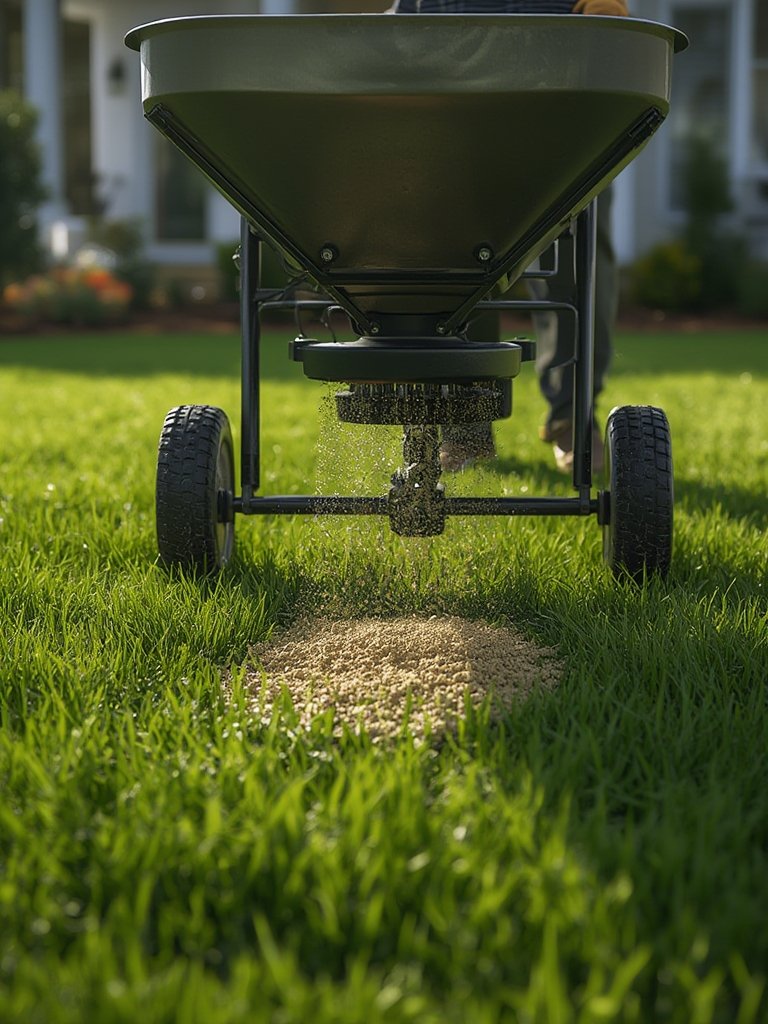
Avoid getting locked into annual contracts. Most lawns need only 1-3 feedings per year; excessive applications can waste resources and damage local waterways. If you experience poor service, dead patches, or increased weeds, request a service audit or switch providers mid-season.
To go even deeper, explore our hands-on guides to fertilizing the lawn and using a lawn leveling rake for optimal results between fertilizations.
Advanced Analysis & Common Pitfalls to Avoid
Homeowners often expect instant green-up or a weed-free lawn within weeks. In reality, even the best lawn fertilization service can falter if you skip key steps or ignore local restrictions. Understanding how to sidestep the most frequent pitfalls is critical.
Common Pitfalls with Lawn Fertilization Service
- Ignoring soil testing: Most problems come from guessing fertilizer needs. Without a soil test, you risk under- or over-applying.
- Choosing the lowest-price provider: Cheap services may skip critical steps or use generic blends that harm delicate lawns.
- Poor communication: Inconsistent scheduling, lack of label transparency, or unclear pet-safety guidelines lead to disappointment.
- Environmental risk: Over-application or poor timing can cause fertilizer runoff, harming local waterways—especially in “hot spot” regions near streams or lakes (see nitrogen runoff study).
- Overpromised results: Lush grass takes time—persistent weeds or bare spots may need patching, aeration, or overseeding in addition to fertilization. See our lawn care guide for full strategies.
DIY vs. Professional Lawn Fertilization: Realistic Comparison
| Feature | DIY | Professional Service |
|---|---|---|
| Typical Cost | $150 – $400/year (products only) | $250 – $1,000/year (all-inclusive) |
| Time Spent | 2-5 hours/week (per survey) | 1-2 hours/year for oversight |
| Confidence | 20-25% report low confidence (source) | Higher, but watch for lack of customization |
| Risks | Misapplication, runoff, pet safety | Hidden costs, overapplication, pet safety |
| Typical Results | Inconsistent, depends on user knowledge | More consistent, depends on provider quality |
Hidden Problems Most Homeowners Don’t Realize
- Pet and child exposure: Even “safe” fertilizers can pose hazards. Always ask for exact re-entry times and product details.
- Application timing: Fertilizer before a heavy rain wastes money and pollutes streams.
- Missing local rules: Many cities now ban phosphorus or limit fertilizer near water sources.
- Annual contracts: Overbuying service is expensive and unnecessary for many yards.
- No certifications required: Shockingly, most states do not require lawn techs to have special certifications. Ask about in-house training before hiring.

Conclusion
Lawn fertilization service can turn your yard into a showcase, reduce fertilizer waste, and save hours each week. Still, success depends on soil testing, realistic expectations, clear contracts, and knowing your local rules. Most importantly, never assume all companies are equally qualified—results vary as much as lawns themselves. Ready for a lawn that stands out? Call a reputable professional or explore our DIY guides to get started. For more on expert home improvements, don’t miss our Contractor For Home Improvement guide. Your best lawn awaits—choose your approach to lawn fertilization service and watch your curb appeal grow.
FAQ
How often should I schedule lawn fertilization service?
Most lawns only need 1-3 feedings per year, matched to the grass type and climate. Excessive fertilization can lead to runoff and waste.
Is lawn fertilization service safe for pets and children?
Most products are safe once dry, but wait 24-48 hours before allowing pets or children on the treated grass. Always confirm product details with your provider.
Can I combine fertilization service with other lawn treatments?
Yes. Many companies offer add-ons like weed control or pest prevention. Make sure to clearly list your concerns when booking and confirm if those are included in the base price.
How do I avoid hidden fees in fertilization packages?
Request a detailed written quote showing all services, products used, application count, and any possible add-ons or retreatment costs before signing a contract.
Do I still need to mow or water the lawn when using a professional service?
Absolutely! Regular mowing and watering are essential for healthy grass. Fertilizer works best when grass is actively growing and hydrated.