

Lawn aeration service is the essential—but often overlooked—step to improving lawn health, resilience, and year-round curb appeal. If you’ve ever dealt with thin grass, muddy spots, or patchy turf, this guide reveals what aeration really delivers compared to other strategies, how to avoid common pitfalls, and what you’ll pay in 2024.
Key Takeaways
- Professional lawn aeration service—especially core aeration—outperforms DIY and “liquid” solutions for overcoming soil compaction, boosting water absorption, and long-term turf health.
- Most homeowners aerate at the wrong time or skip it entirely, making professional scheduling and correct method critical for results.
- Regional cost, lawn size, aeration type, and even climate all affect outcomes and value—top competitor articles rarely address these nuances.
- The Core Concept: Why Lawn Aeration Service Is Essential
- Step-by-Step Guide: How to Get the Most from Lawn Aeration Services in 2024
- Advanced Analysis & Common Pitfalls: Real-World Problems and Solutions
- Conclusion: Elevate Your Lawn with Pro Aeration
- Frequently Asked Questions (FAQ) about Lawn Aeration Service
The Core Concept: Why Lawn Aeration Service Is Essential
At its simplest, lawn aeration uses specialized equipment to remove cores or create holes throughout the turf. The main goal: relieve soil compaction so that oxygen, nutrients, and water can reach grass roots efficiently. In 2024, industry reports hold that core aeration is the dominant method because it penetrates deeper, giving measurable improvements in water infiltration, root development, and overall resilience—especially in high-traffic yards (source).
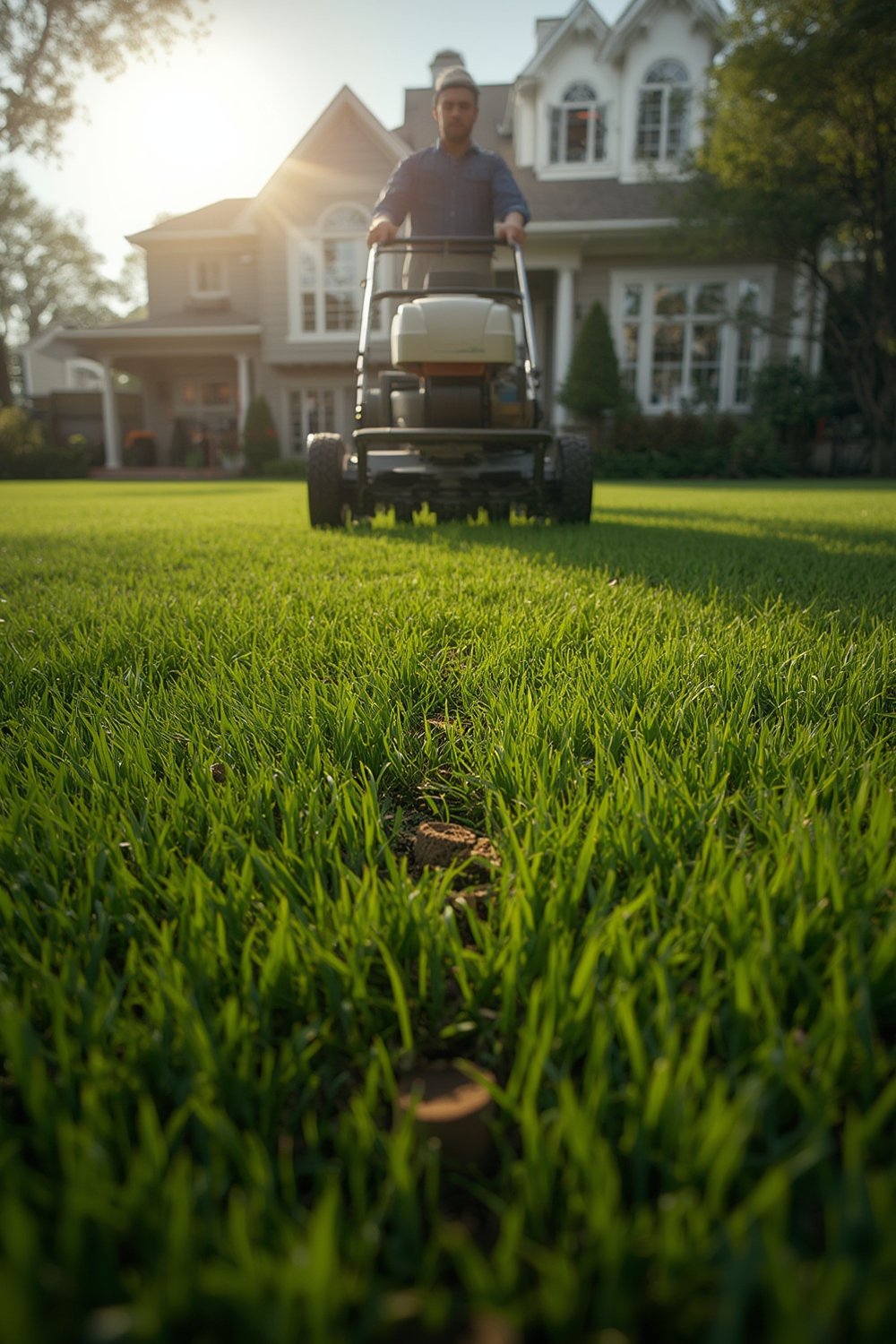
Unlike mere mowing or fertilizing, aeration actually changes the soil structure. This is critical if you:
- Notice pooling water after rain
- Walk on your lawn often or have children/pets playing
- See slow or weak grass growth, even with good care
By reducing compaction and increasing air exchange, aeration often improves fertilizer efficiency—and can enhance results from lawn fertilization services or routine lawn mowing. No other routine creates such a reset for compacted or underperforming turf.
Step-by-Step Guide: How to Get the Most from Lawn Aeration Services in 2024
Here’s how to make sure you reap maximum benefits from a lawn aeration service—without wasted time, money, or effort:
- Evaluate Your Lawn’s Condition: Walk your yard and check for hard, compacted spots, excessive thatch, or runoff. Is growth weak in high-traffic areas? This indicates need for core aeration—not just basic maintenance.
- Time It Right: Aeration timing is critical. In most regions, cool-season lawns (like fescue or bluegrass) benefit from early fall aeration, while warm-season grasses (like Bermuda or zoysia) thrive when aerated in late spring. According to surveys, 78% of homeowners guess the timing wrong—don’t be one of them (source).
- Choose Core Over Spike: For real soil compaction and water absorption issues, core aeration is more effective than spike or liquid solutions. Spiking can sometimes worsen compaction. Core removal wins for nearly every soil and lawn type (source).
- Size and Service Match: Professional services use heavy-duty, deep-penetration gear—DIY aerators often fail to reach proper depth on medium to large lawns. Consider pro help for over 3,000 sq ft or if your DIY attempts have flopped. If you’re comparing to full-service lawn care, ensure aeration is specifically included—not just mowing or fertilizing.
- Plan for Overseeding: Immediately after aeration, overseed bare or thin patches. This combination is proven to deliver denser, healthier lawns, as seen in our guide to lawn fertilization.
- Water Deeply: Water Deeply after aeration, and again after seeding, to ensure new seeds settle and roots use the opened channels.
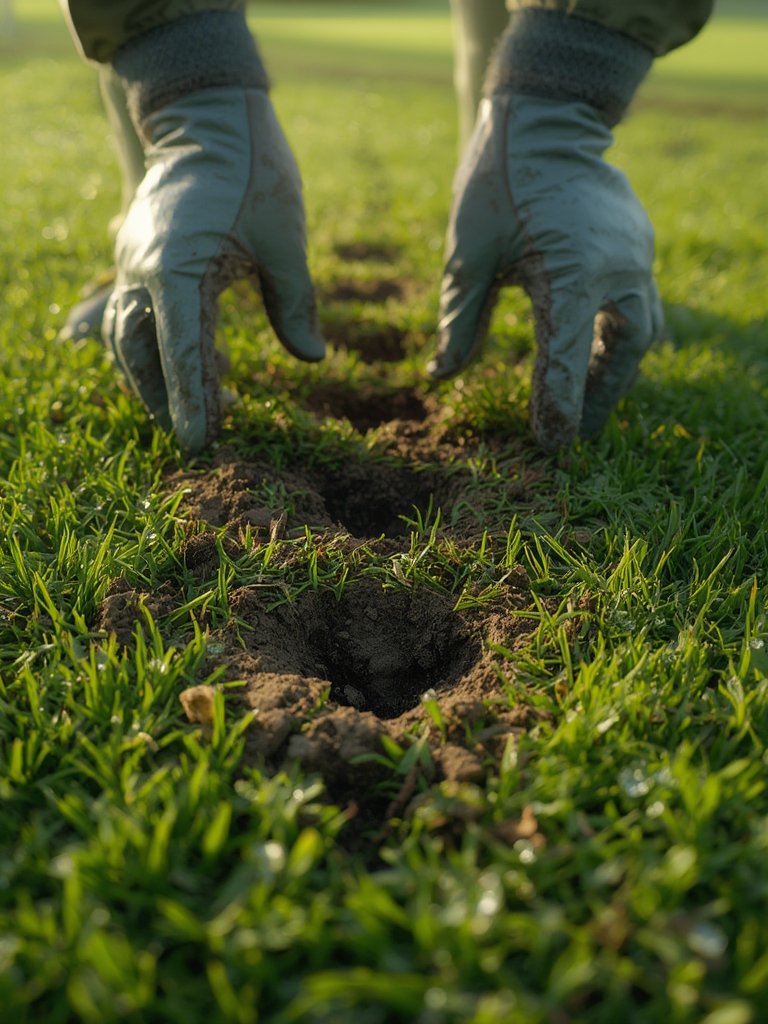
Want hands-off results? Some homeowners now use “smart aeration”—services with soil sensors for more tailored timing and frequency. These systems report a 30% faster recovery and up to 50% lower fuel use compared to traditional methods (source).
Advanced Analysis & Common Pitfalls: Real-World Problems and Solutions
Plenty can go wrong with lawn aeration—especially if you skimp on equipment, rush the process, or misunderstand lawn needs. Here are the top issues and how to sidestep them:
- Poor Timing: Aerating during the wrong season can damage grass or encourage weeds. Cool-season lawns aerated in summer or warm-season lawns aerated in fall are especially vulnerable.
- Improper Equipment: Many DIY aerators are simply too lightweight, failing to extract deep soil cores. This leaves compaction unresolved, making your effort pointless. If you want true leveling, consider a guide to lawn leveling rakes to pair with professional aeration for even better results.
- Skipping Overseeding: Aeration alone won’t address bare spots. Overseeding immediately after is crucial.
- Neglecting Aftercare: Forgetting to water after aeration dries seeds out and limits root expansion, wasting your investment.
- Uneven Results and High Costs: Pricing and effectiveness vary by region, property size, and service provider. Spike aeration is cheaper but less effective; core aeration is the gold standard but comes at a premium—most national reports put core aeration as the dominant market segment in 2024 (source).
| Method | Soil Penetration | Ideal For | Cost | Downsides |
|---|---|---|---|---|
| Core Aeration (Pro) | 2-4 inches (deepest) | Compacted/high-traffic lawns | Higher | May leave messy cores, higher price |
| Spike Aeration | 1-1.5 inches | Lightly compacted areas/small lawns | Lower | Can worsen compaction in clay soils |
| DIY Aeration | 1 inch or less | Small, low-traffic lawns | Lowest | Inefficient, shallow results, time-consuming |
For most homeowners, hiring a local lawn care expert is less hassle—and delivers more consistent, long-lived improvement than DIY approaches.
Conclusion: Elevate Your Lawn with Pro Aeration
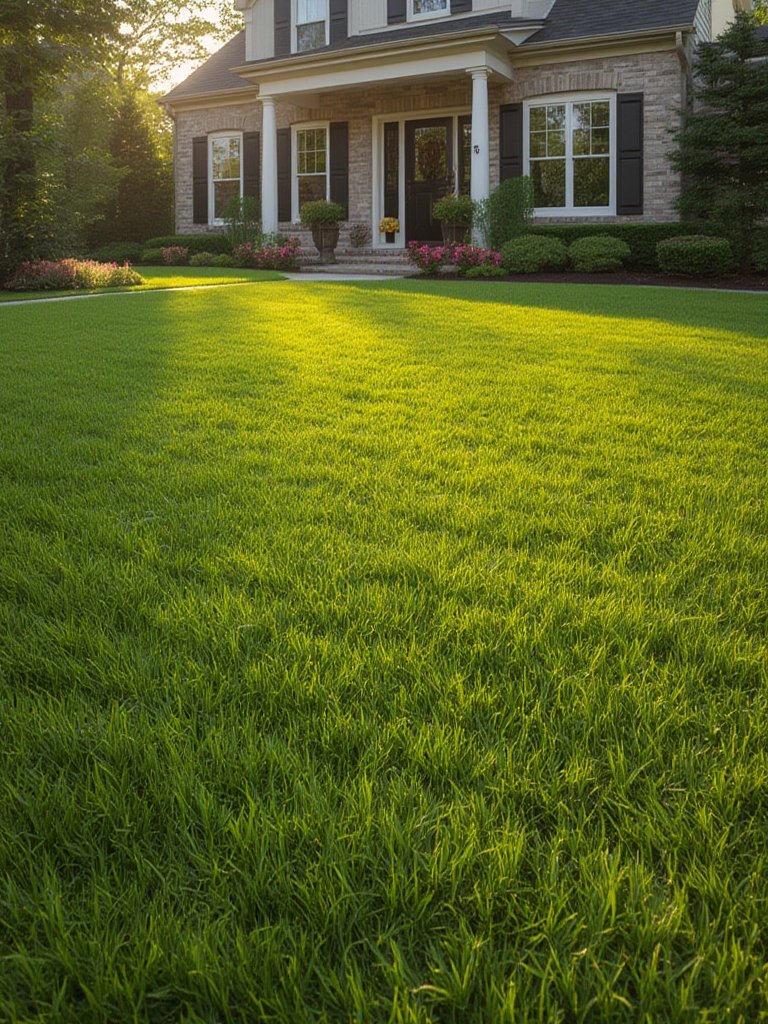
When it’s time to boost your property’s value, health, and curb appeal, professional lawn aeration service is the most transformative step you can take—especially if you’ve tried mowing, watering, or fertilizing with little success. Avoid the seasonal guesswork and equipment hassles. Instead, book with a trusted provider who can match the right method and timing for your region and grass type.
Ready for a low-maintenance lawn that outshines the neighborhood? Request a quote from a local aeration expert—and check out more tips on home improvement trends for resale value or how to choose the right contractor for home upgrades.
Frequently Asked Questions (FAQ) about Lawn Aeration Service
Is lawn aeration really necessary for my small yard?
If your yard is small, low-traffic, and never gets too hard, you may not see dramatic improvement from core aeration. However, most yards compact over time, especially with pets or children. Occasional aeration—even every 2 or 3 years—will help maintain soil health and prevent long-term problems.
Can I aerate my lawn myself, or should I always hire a pro?
For very small or lightly compacted lawns, DIY is possible using rental equipment or manual tools. For medium and large lawns, or if you have heavy clay soil, pro equipment delivers much better, longer-lasting results with less effort.
Does aeration help with weed control?
Indirectly, yes. Healthier, denser turf from regular aeration can outcompete most weeds. However, aeration alone isn’t a substitute for targeted weed control service.
How much does lawn aeration service cost in 2024?
Actual pricing depends on your region, lawn size, and method. Core aeration costs more than spike aeration, but delivers much better results. National market data shows core aeration dominates due to value—but always get a local quote for specifics. Few competitor guides properly break down costs by region or property size.
How often should my lawn be aerated for best results?
General rule: Aerate annually for high-traffic or compacted lawns. Humid regions may only need aeration every 2-3 years, while arid climates might benefit from twice per year. Professional services with smart soil analytics can optimize your schedule for climate and grass type.