

How to sharpen lawn mower blade is a skill every homeowner can master for a cleaner cut, a healthier lawn, and fewer headaches with mower maintenance. Bad cuts, patchy grass, and mower strain are often signs your blade’s overdue for an edge. If you want pro-level results from DIY sharpening—without damaging your mower—read on for the realistic, safe method anyone can follow.
Key Takeaways
- Sharpening lawn mower blades correctly improves grass health, cuts smoothly, and extends mower life.
- Following the right angle, balance checks, and all safety steps is crucial to avoid injury or blade damage.
- Common mistakes—like over-sharpening or improper reinstallation—cause poor results and costly repairs.
- The Core Concept: Why Mower Blade Sharpening Matters
- Step-by-Step Guide: How to Sharpen Lawn Mower Blade Safely
- Advanced Analysis & Common Pitfalls
- Conclusion
- FAQ
The Core Concept: Why Mower Blade Sharpening Matters
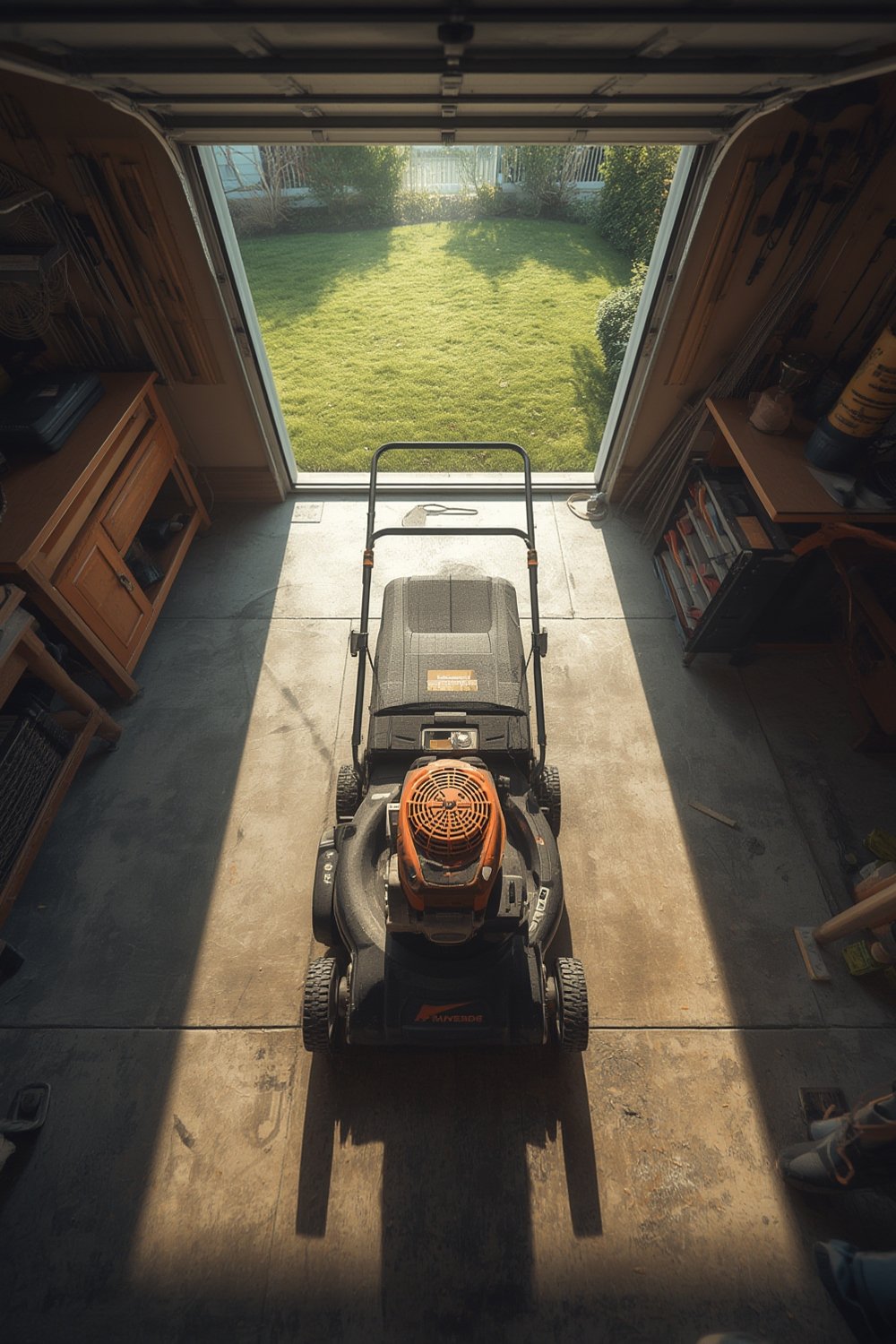
Sharpening your mower blade isn’t just about making grass look tidy—it directly affects how well your lawn and your mower perform. Dull blades tear grass instead of slicing, leaving brown, ragged edges that invite disease and weaken turf. Poorly maintained blades also make your mower work harder, burn more gas (or battery), and wear out faster. Consistent sharpening means less effort mowing, a healthier-looking yard, and reduced chance of breakdowns or expensive repairs.
Regular maintenance is something you can start today—no need for fancy gear—and it’ll make every pass with your mower more efficient. For more yard and tool care tips, explore our in-depth guide to home improvement tools for smarter DIY.
Step-by-Step Guide: How to Sharpen Lawn Mower Blade Safely
Follow this practical guide for a balanced, sharp edge with maximum safety and professional results. This process covers both standard push mowers and riding mowers.
- Safety First. Disconnect the spark plug wire; if it’s battery powered, remove the battery. Wear gloves and safety goggles for all steps (source).
- Prep for Removal. Tilt the mower according to the manual (carburetor side up). Use a wrench to loosen the bolt holding the blade. Mark the bottom side of the blade with tape or marker so you reinstall it the right way.
- Clean and Inspect. Scrape off caked-on grass and dirt with a putty knife. Look closely for deep nicks, bends, or cracks; any of these mean you should replace the blade, not sharpen it. Never try to straighten or weld a bent/cracked blade—instead, replace it for safety (source).
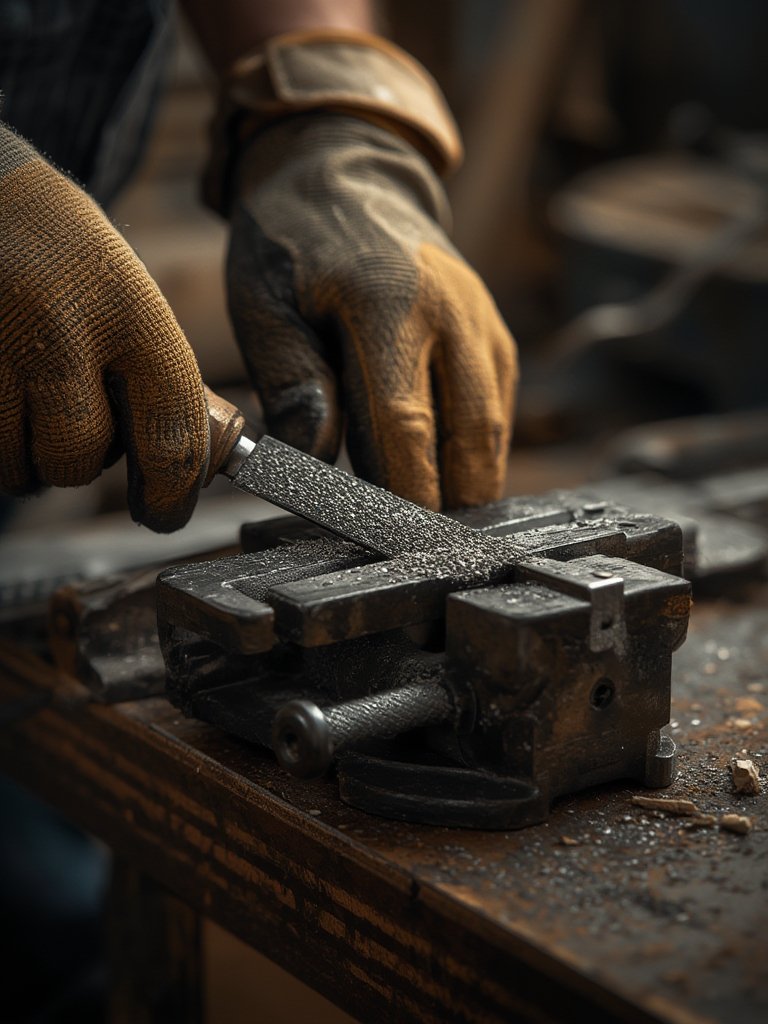
- Sharpen the Blade. Clamp the blade securely in a vice or sharpening jig. Use a file, sharpening stone, grinding wheel, or rotary tool. Follow the factory angle—usually around 30 degrees—but do not over-sharpen. A flat file is slower but offers great control. Always sharpen the top cutting edge only, from the outer tip toward the center.
- Avoid Overheating. If using a grinder, dip the blade tip in water frequently to keep it cool. Overheating weakens the metal and leads to faster wear (source).
- Balance is Crucial. After sharpening, check blade balance. A true balancer (not just a nail in the wall) shows if one side is heavier. If unbalanced, file more from the heavy side until the blade sits evenly. Imbalanced blades cause vibration, mower wear, and rough cuts.
- Reinstall the Blade. Make double sure you’re installing it with the cutting edge facing the correct direction. Tighten to the manufacturer’s recommended specs.
- Final Safety Checks. Reconnect the spark plug or battery. Carefully check your mower for unusual vibration or sounds on startup.
For those ready to take their home projects further, see our expert list of DIY home decor and home improvement trends for additional skills and inspiration.
Advanced Analysis & Common Pitfalls
Even experienced DIYers make mistakes sharpening mower blades. Here are the most frequent pitfalls—and how to avoid them, according to industry sources:
| Pitfall | Description | How to Fix/Avoid |
|---|---|---|
| Over-sharpening | Creating a razor-thin edge weakens the blade, leading to chips and premature wear (source). | Keep the original angle—about 30 degrees—for durability, not sharpness. |
| Blade imbalance | Imbalance causes vibration, poor cuts, and can damage your mower bearings. | Always check on a true balancer; file from the heavy side until balanced. |
| Grinding the wrong side | Sharpening the bottom (flat) edge creates a chisel profile—ruins the cut and strains the engine (source). | Sharpen only the original beveled edge from the top. |
| Mounting blade upside down | Easy error after sharpening; results in dull “cut” and scalped turf. | Mark the bottom before removal and double-check reinstallation. |
| Ignoring cracks and bends | Cracked or bent blades can break apart, causing severe injury (source). | Replace immediately—never weld or hammer straight. |
| Improper cleaning | Sharpening a dirty blade masks underlying cracks and damage. | Clean thoroughly before inspection and sharpening. |
| Using nail balance method | Hanging a blade on a nail does not reliably check balance and leads to mistakes (source). | Use a proper blade balancer tool for accuracy. |
If you want the best results and extra safety, keep these tips in mind—don’t try “shortcuts” that void your mower’s warranty or risk injury. Deepen your DIY knowledge with our comprehensive resources on home remodeling near me or get mower-ready turf by following the best practices in fertilize the lawn.
Conclusion
Lawn equipment doesn’t have to be intimidating. With the right approach to safety, inspection, and technique, sharpening your own blade takes less than an hour and delivers big improvements to cut quality. Avoid the key mistakes—over-sharpening, skipping balance, improper mounting—and your mower (and your grass) will thank you. Mastering how to sharpen lawn mower blade safely is foundational to healthy turf and wallet-friendly maintenance. Ready for your best cut yet? Gather your gear and commit to a consistent sharpening schedule for a pro-looking lawn every weekend.
Level up your home and yard care—sign up for our newsletter or browse our energy efficient home upgrades for more ways to maintain and boost home value.
FAQ
How often should I sharpen my lawn mower blade?
Sharpen your mower blade at least once every 20-25 hours of mowing. For most homeowners, this means once or twice each mowing season. If you notice ragged grass tips or the mower struggling, it’s time to sharpen sooner.
What is the best tool to use for sharpening mower blades?
A simple flat file works for most DIYers and allows you to control the sharpening angle easily. Rotary Dremel tools or bench grinders work faster—but require extra safety and careful angle control to avoid overheating.
How do I know if my blade needs to be replaced instead of sharpened?
If your blade has deep nicks, cracks, is badly bent, or has worn down its sail, it’s time to replace it. Sharpening a damaged blade is unsafe and leads to poor results. Always inspect closely before sharpening.
Do I need to balance the blade after sharpening?
Yes—balancing is critical! An imbalanced blade causes strong vibration, damages your mower over time, and results in uneven cuts. Always check balance with a proper tool before reinstallation.
Can I sharpen a mulching or specialized blade the same way?
Most mulching and hi-lift blades are sharpened with the same approach: follow the original angle and never sharpen the flat side. Some specialty blades may require manufacturer-specific steps, so always check your manual.