

How to create a pet resume is now an essential skill for renters who want to boost their odds of getting approved for a pet-friendly apartment. With landlords facing pet-related risks and renters struggling against restrictions, a solid pet resume can be the difference between landing your dream rental and getting passed over. In this detailed guide, you’ll learn practical, real-world steps to build a pet resume that works—without unnecessary jargon or false promises.
Key Takeaways
- A well-made pet resume improves your odds for apartment approval in a competitive market, especially when paired with essential documentation.
- Most landlords still prioritize vaccination records and references over fancy pet resumes, but clear, honest info always helps your application.
- Watch out for regional pet policies, breed restrictions, deposits, and extra rent—know these challenges before you start your rental search.
- What Is a Pet Resume and Why Does It Matter?
- How to Create a Pet Resume: Step-by-Step
- Advanced Analysis and Common Pitfalls
- Conclusion
- Frequently Asked Questions
What Is a Pet Resume and Why Does It Matter?
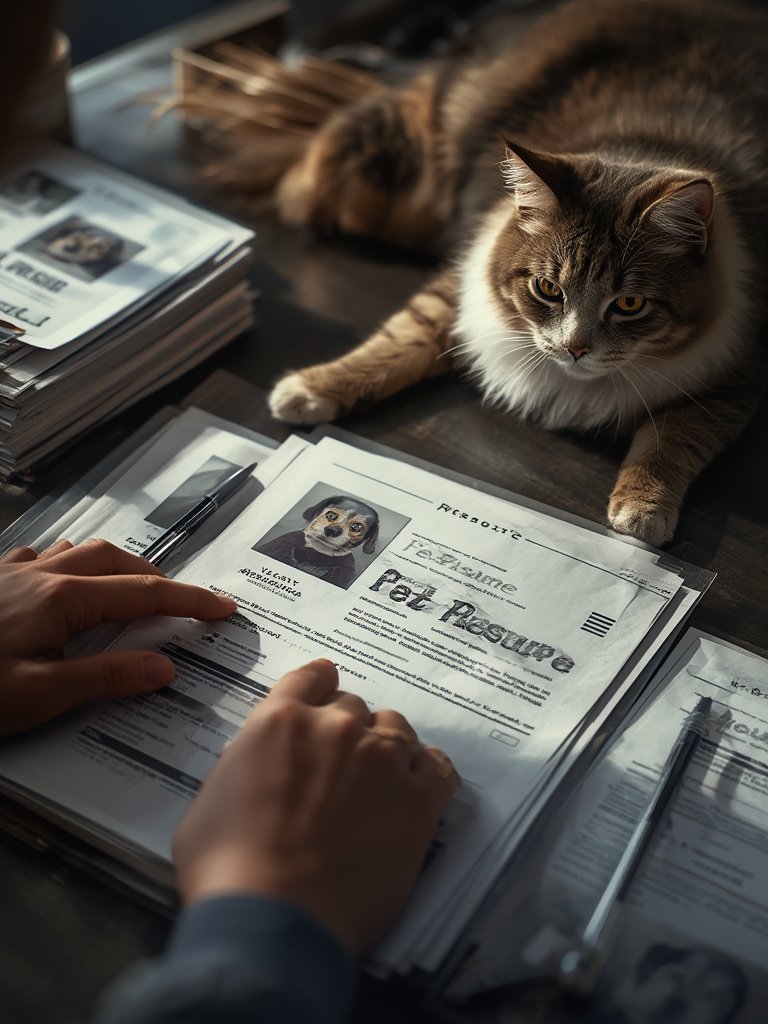
In short, a pet resume is a short document outlining your pet’s identity, health, and behavioral background—plus supporting evidence like vaccination records or references. While most landlords and property managers in 2024 still focus on simple vet records or pet screening forms, a solid pet resume can set you apart from other applicants and help address specific owner concerns.

Why bother with a pet resume? The rental market is more competitive than ever, and although 80% of U.S. rental properties now allow pets, there’s still fierce competition—especially for breeds or sizes that face restrictions. Breed and weight limits, extra deposits, and higher pet rent are routine. Landlords want reassurance, and clear, transparent information can build trust. Even though there’s no hard data showing most landlords request resumes outright, many want concise documentation proving your pet is healthy, well-behaved, and responsibly cared for. See more on pet-friendly housing stats.
Some landlords or property managers may even require tenant pet verification, and tools like pet screening are increasingly common. Creating a standout pet resume (with facts, not fluff) helps you respond quickly—and shows you’re a proactive, responsible renter.
How to Create a Pet Resume: Step-by-Step
If you want to improve your odds of securing pet-friendly housing, follow these practical steps to create a pet resume that landlords actually want to read:
Step 1: Start with Basic Pet Information
Include your pet’s:
- Name, age, and breed (including mixes, if applicable)
- Sex and approximate weight
- A recent, high-quality photo
Step 2: Add Essential Health Documentation
List all up-to-date vaccination records, spay/neuter status, and regular vet care. Attach a scan or clear image of the most recent vet record. Tenants who skip this step typically find their applications rejected—even in pet-friendly listings.
For more details on required documents, see pet screening requirements.
Step 3: Provide Behavioral and Training Details
Mention any relevant obedience training, certifications, or classes your pet has completed (like “Canine Good Citizen”). Be honest—highlight strengths and admit any quirks handled responsibly (e.g., “reactive to doorbells but calms with crate time”).
- Is your pet house-trained or litterbox trained?
- How does your pet handle being alone?
- Any destructive tendencies or good manners tips—be realistic.
Step 4: Add References and Proof of Responsibility
Landlords nearly always value written references over claims. Attach contact information for a previous landlord, pet sitter, or vet who can vouch for your pet’s behavior and your responsible ownership. Some tenants skip this step—don’t make that mistake.
Step 5: Include Your Own Commitment Statement
A short, honest paragraph on how you care for your pet, handle exercise, cleaning, and respect for shared spaces can go a long way. Don’t overpromise or use generic “best pet ever”; keep it truthful and specific.
- Describe your cleaning routines.
- Mention how you’ll address any future issues promptly and responsibly.
If you need a jumpstart, check out this pet resume template guide for inspiring formatting ideas. And remember, most landlords don’t expect a long document—one page is enough if it’s organized and thorough.
Other Useful Additions
- Pet insurance details (if you have coverage)
- Pet licensing information required by local law
- Proof of flea/tick and parasite prevention
This information aligns with what landlords and property managers are really looking for: evidence of care, not just cute stories. For a deeper dive into screening and landlord policies, see our practical guide on pet screening for landlords.
Advanced Analysis and Common Pitfalls
Even the best pet resumes won’t overcome every landlord’s concerns. Most landlords are risk-averse—focused on potential damage, noise issues, and liability. Here’s what can trip up even good applicants, with some honest pros and cons.
| Pitfall | Why It Matters | Realistic Fix |
|---|---|---|
| Focusing only on resume, not required records | Landlords prioritize vet documents and clear rental history over creative layouts or stories. | Attach vaccination records, pet screening confirmation, and proof of past rental success. |
| Overlooking local rules or breed restrictions | Some areas have bans/limits even if landlord likes your pet. | Research and mention local compliance up front—don’t ignore this or hide details. |
| Missing or fake references | Landlords may call your references; fake info nearly always results in immediate denial. | Get authentic letters from previous landlords or your vet. |
| Not budgeting for extra deposits or rent | Typical pet deposits are $287–311; monthly pet rent averages $34–37. Not planning for this leads to last-minute panic. | Ask about all fees in advance, and mention your readiness in your cover letter. |
| Creating a resume that’s too long | Landlords may not read multiple pages, especially in busy markets. | Limit to 1 page; attach extra documents only if requested. |
For more on screening costs and deposit strategies, see pet screening cost and pet application form rental.
Note that the most common feedback is frustration with breed restrictions—not the concept of pet resumes themselves. Only 80% of apartments are pet-friendly, and nearly all have size or breed rules [source]. Always clarify policies before applying, and avoid wasting documents on buildings that won’t accept your pet no matter what.
Conclusion
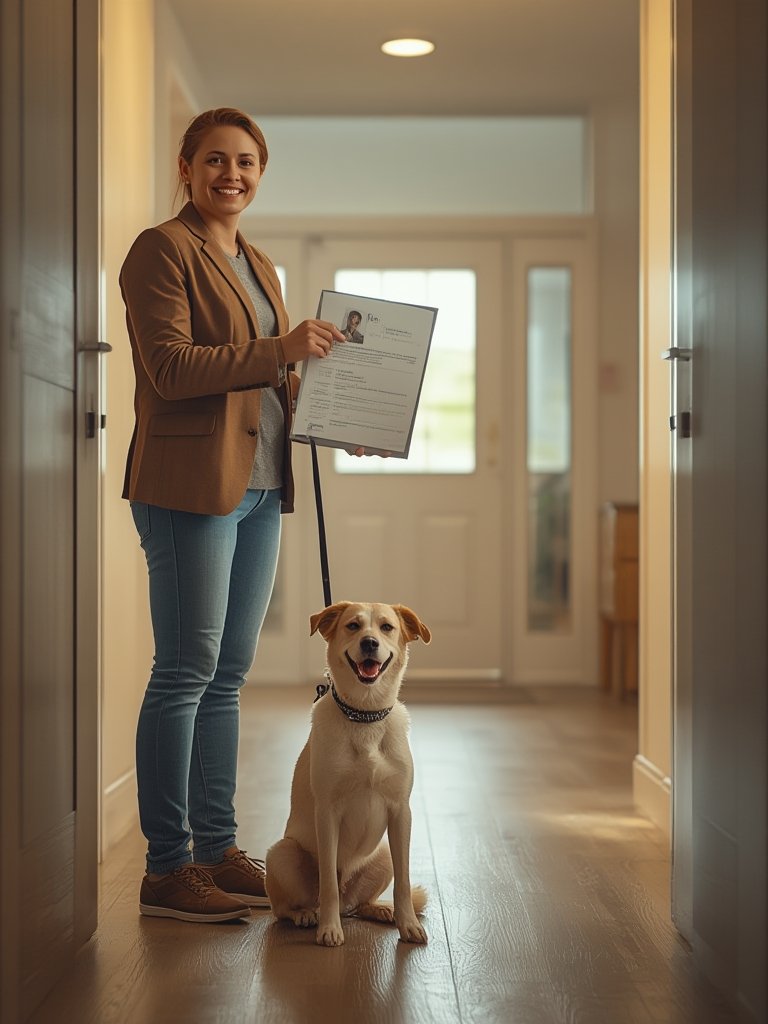
To sum up, preparing a strong, factual pet resume is a smart step for renters facing rising competition and stricter pet policies. Don’t treat the pet resume like a golden ticket—landlords still care more about vet records, references, and policy compliance. But with a professional, honest resume that covers all the essentials above, you’ll stand out as a responsible applicant wherever you apply.
Ready to try it yourself? Download a pet resume template or read more about how to create a pet resume, and take charge of your rental search today.
Frequently Asked Questions
Do all landlords require a pet resume when you apply with a pet?
No. Most landlords in 2024 do not explicitly require a pet resume, but many ask for vaccination records, pet references, or proof of behavioral history. Having a pet resume ready still boosts your credibility and speeds up the process.
What documentation is essential for a pet application?
Essential items include up-to-date vaccination records, proof of spay/neuter, a reference from a previous landlord or vet, and any pet screening score or application results if required. Learn more on pet profile for apartments.
Can a pet resume help overcome breed or weight restrictions?
Usually not. Restrictions are often dictated by property policy or local law. A pet resume can highlight good behavior but won’t override set policies on breed, weight, or number of pets. Always confirm allowed types before you apply.
How long should my pet resume be?
Keep it concise—usually one page can cover all essentials. Attach supporting documents (like vaccination records proofs or reference letters) as separate files. For formatting help, see this pet resume template guide.
What’s the difference between a pet resume and pet screening?
A pet resume is a self-prepared overview you submit; pet screening is a formal process or third-party service some landlords use. You may need both, especially for properties that require official pet screening applications. See our pet screening application guide for details.