

### Blog Post:
Pet profile for apartments is now a must-have for most renters with pets, especially when trying to secure an apartment in a competitive rental market. It’s your ticket to boosting your odds of approval and showing landlords you’re a responsible pet owner—if you know how to do it right.
Key Takeaways
- Detailed pet profiles are increasingly standard for apartment applications and can make or break your chances of approval, regardless of how pet-friendly the listing appears.
- Incomplete documentation, breed/size restrictions, and poor references are key reasons pet applications get rejected—knowing what to include is critical.
- Using digital tools and verification systems can help ensure your pet profile meets current 2024 landlord standards and avoids common pitfalls.
- What Is a Pet Profile for Apartments and Why It Matters
- How to Create a Winning Pet Profile for Apartments
- Advanced Analysis & Common Pitfalls
- Conclusion
- FAQ
What Is a Pet Profile for Apartments and Why It Matters
A pet profile for apartments is a structured “resume” for your pet that you submit as part of the rental application process. It includes all the details landlords want to know: your pet’s age, breed, size, vaccinations, license, temperament, references, and proof of responsible ownership.

Landlords use this pet screening info not just to check health and breed compliance, but also to assess risk and property protection. Rising rental demand means stricter pet policies—even in so-called “pet-friendly” listings. According to recent research, pet screening applications are now a standard part of the process when applying for apartments that allow pets. Many landlords are more flexible if you provide a thorough pet resume with documentation and references [source].
But diligence matters: nearly half of renters pass over “no pet” properties, yet over 30% also reject apartments with rigid breed or size rules [source]. The right pet profile can open doors that would otherwise be closed—if it’s done properly.
How to Create a Winning Pet Profile for Apartments
To maximize your approval odds, your pet profile should be thorough, honest, and formatted for easy review. These are the exact steps to follow:
-
Collect Essential Documentation
Gather:- Proof of vaccinations (required by most property managers)
- Recent veterinary reference (ask for a short letter if possible)
- Photos—at least one clear headshot and one full-body shot
- Proof of licensing and spay/neuter status
- Training certificates for dogs, especially larger breeds
- Previous landlord reference letter, if available
Tip: Even if the landlord doesn’t explicitly request one of these, including it shows you’re organized.
-
Create a Clear, Concise Pet Resume
Structure it just like a CV/work resume, including:- Name, age, breed, weight, and how long you’ve had your pet
- Temperament/behavior assessment (brief and honest)
- Routine veterinary care and health status highlights
- Training details or certifications
- Reference contact info (vet, previous landlord, pet trainer if applicable)
- Statement of responsibility & willingness to address behavioral concerns quickly
-
Format for Landlord Scanning
Most landlords or property managers won’t read page by page. Bullet the key facts and ensure all forms are digitized and ready for upload or email. -
Include Extras That Set You Apart
For dogs, highlight crate-training, professional obedience school, or proof of regular dog-walking routines. For cats, mention litter box habits, spay/neuter info, and a non-destructive behavior track record. -
Stay Honest About Breed and Size
Breed or size misrepresentation is a dealbreaker and could get you denied—40% of restricted breed owners struggle to find apartments, and 13% surrender dogs due to rental issues. Always tell the truth, even about breeds that might be restricted.
-
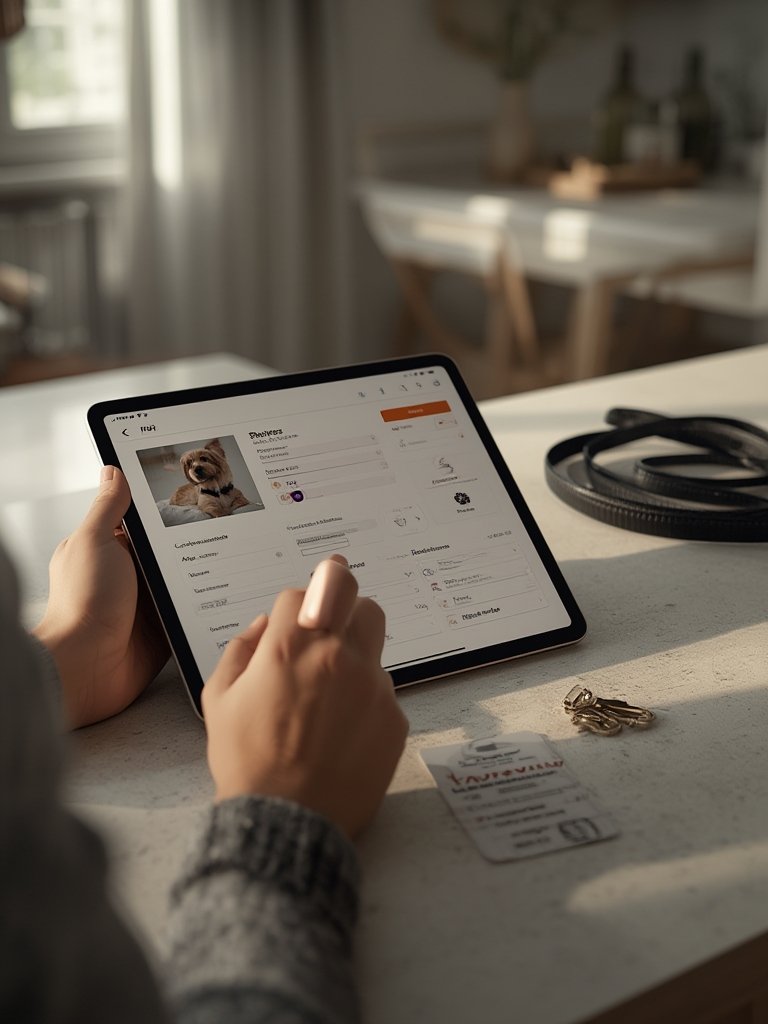
Consider Digital Pet Profile Platforms
Modern landlords may use online pet screening—platforms like PetScreening or in-house digital forms (more at pet screening application). While not all cost money, be mindful of potential service fees. Even if your landlord uses a manual process, a digital resume makes a professional first impression. -
Submit on Time with All Attachments
Send everything requested (and a little extra) along with your rental application. Follow up if you haven’t received confirmation that your documents were received and reviewed.
For a deeper dive into how landlords review and score your application, see our guide on pet screening score or, if you’re a landlord, our expert overview of pet screening for landlords.
Advanced Analysis & Common Pitfalls
Pet profiles offer leverage—but only when they’re done right. Here’s what commonly goes wrong, why many renters get rejected, and how to avoid the headaches.
| Common Pitfall | What Happens | How to Avoid |
|---|---|---|
| Missing or Incomplete Documentation | Profile delayed or denied; docs get lost; slows application process | Gather all docs before applying. Digitize. Reference a checklist (see pet screening requirements) |
| Misrepresenting Breed/Size | Discovery leads to automatic denial or lease break penalty | Always be honest—even if breed is commonly restricted. Documentation builds trust |
| Weak or No References | Landlords may question safety or rule compliance; lose out to applicants with stronger resumes | Request references from previous landlords and your vet. Even a short written statement helps |
| Poor Formatting | Landlord can’t quickly review; important info gets overlooked | Bulleted, one-page resumes + scanned documents; avoid handwritten or complicated files |
| No Pet Liability Statement | Landlords feel less protected against future issues | Add a line to your resume: “I take full responsibility for my pet’s conduct and seek behavioral help immediately if concerns arise.” |
| Not Using Digital Tools | Manual errors, missed deadlines, or confusion between landlord and applicant | Upload to a secure folder; share link with application. Explore screening software and digital verification services such as pet verification service |
Some pitfalls are simply unavoidable. About 32% of renters give up on apartments due to breed or size restrictions [source], and even a perfect pet profile can’t overcome these. But most denials happen due to poor documentation, rushed resumes, or lack of verification—these are within your control.
Make sure to check local and federal laws. Service animals and emotional support animals have different screening rules and are exempt from pet-related fees [source].
If you run into issues or need more strategies for tough screening situations, check out our breakdown of how to pass pet screening, including legal compliance tips and common landlord red flags.

Conclusion
Securing an apartment with pets requires more than charm—it demands a sharp, thorough pet profile for apartments. Bring complete records, honest details, and digital professionalism to the table. This approach gives you the edge in a tough rental landscape—and helps landlords see you as a safe, reliable choice.
Follow the steps above to create a pet profile that actually works for 2024. If you want more expert rental strategies, explore our guides for pet screening or discover new ways to improve your home with current home improvement trends.
Ready to unlock more pet-friendly rentals? Start your pet profile now and become the applicant landlords say “yes” to.
FAQ
What do I need in a pet profile for apartments?
Typically, you’ll need vaccination records, licensing, at least one reference (vet or previous landlord), clear photos, and temperament details. Landlords may also request proof of spay/neuter and copies of training certificates.
Is there a standard template for apartment pet resumes?
No nationwide standard exists, but most successful pet resumes follow a one-page, bulleted format listing name, breed, age, weight, medical history, references, and a short behavioral summary.
Are service animals reviewed the same as pets?
No. Under federal law, service animals and emotional support animals cannot be subjected to pet fees or breed restrictions and have specific, different documentation requirements than regular pets.
Can digital pet profile services help me with apartment applications?
Yes. Digital platforms offer organized templates, document storage, and verification tools—making it easier for landlords and speeding up decision times. Check if your potential landlord recommends or requires a specific service.
What are the main reasons pet applications get denied?
The biggest reasons are incomplete or missing documents, breed or size restrictions, unverifiable claims, and lack of references. Always check all requirements before submitting.