


### Blog Post:
Pet screening laws are a fast-rising concern for rental property owners, tenants, and property managers struggling to keep up with fair housing rules, pet damage, and evolving animal accommodation requirements in 2024. If you want to master compliance, minimize risk, and maximize approval rates in a pet-friendly rental market, here’s what you need to know—and what most guides leave out.
Key Takeaways
- Only 9 percent of pets cause rental property damage, and the national average damage cost is $191—yet pet screening laws and procedures lack state or federal statistical transparency.
- Legal rules for pet screening, ESA accommodation, and fair housing compliance are complex, often misunderstood, and under-explained by most online guides.
- Careful documentation, individualized pet assessment, and up-to-date knowledge of evolving housing law are critical for landlords and tenants alike.
- The Core Concept: What Are Pet Screening Laws and Why Do They Matter?
- Step-by-Step Guide: How to Navigate Pet Screening Laws in 2024
- Advanced Analysis & Common Pitfalls: Hidden Gaps and Real Problems
- Conclusion: Moving Forward with Pet Screening Laws
- FAQ: Pet Screening Laws
The Core Concept: What Are Pet Screening Laws and Why Do They Matter?
Pet screening laws are the evolving set of local, state, and federal rules that dictate how rental housing providers may evaluate, approve, or reject pets and assistance animals in rental housing. These laws intersect deeply with fair housing, tenant rights, and owner liability. Most rental communities are adopting formal screening to:
- Reduce property damage or nuisance concerns caused by pets.
- Stay compliant with the Americans with Disabilities Act (ADA), HUD guidelines, and ESA (Emotional Support Animal) requirements.
- Streamline approvals for pet-friendly rentals and minimize legal risks if disputes arise.
However, recent data shows that the real-world risks and actual pet-caused issues are much lower than perceived. According to the State of Pets in Rental Housing Report (2024), just 9 percent of pets caused property damage, with a median loss of $191. This mismatch between perceived and actual risk is pushing the industry toward smarter, more individualized pet assessments instead of blanket breed or size bans.

Step-by-Step Guide: How to Navigate Pet Screening Laws in 2024
Getting pet screening right is critical for rental success. Whether you are a landlord, property manager, or renter, following these steps can help you stay compliant and avoid common pitfalls:
- Understand Community and Platform Requirements: Every community may set different limits on pet type, breed, weight, and number. Platforms like PetScreening or your property’s management portal will usually be mandatory. Read the requirements carefully.
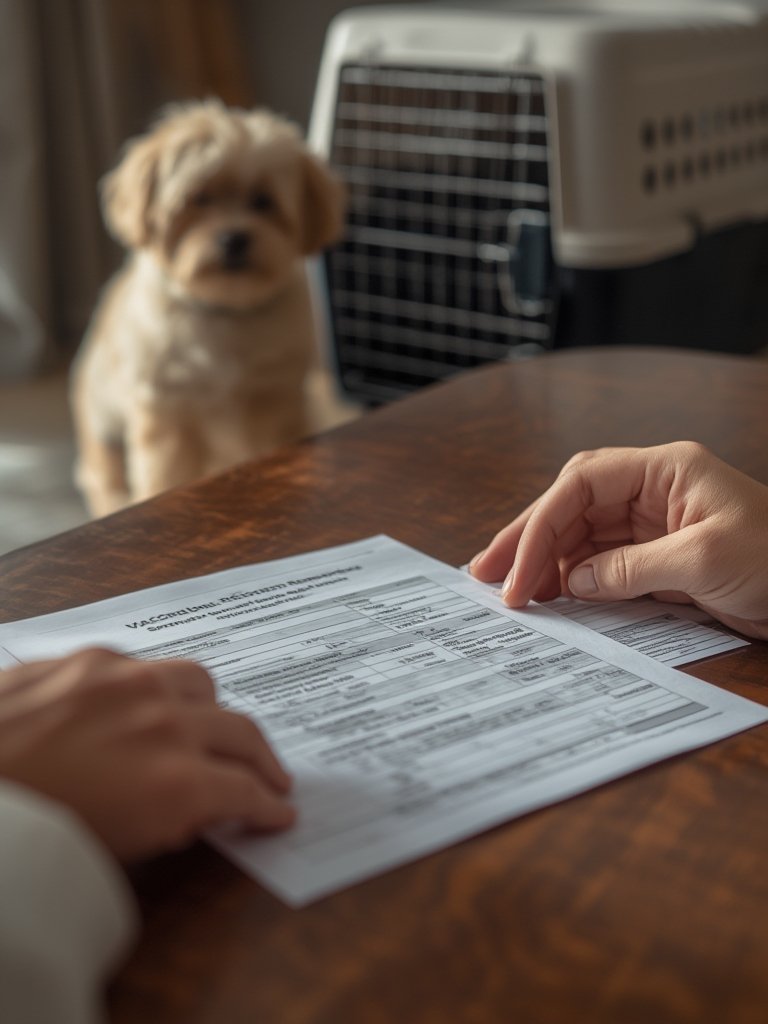
- Gather Thorough Documentation: For each pet, you’ll typically need records—including vet certificates, vaccination proof, recent photos, and behavior history.
- Disclose Assistance or Emotional Support Animals: Recognize that ESAs and service animals are not “pets” in the eyes of the law—different standards apply. Provide proper medical documentation, and be prepared for individual evaluation per HUD guidelines.
- Submit Applications Honestly and Promptly: Omitting or misreporting pet data can lead to application rejection or later eviction.
- Review Fees, Deposits, and Ongoing Rules: Expect separate pet rent (average $35.65/mo), pet deposits, and screening fees, although software like PetScreening is often free for housing providers (data source). Clarify what applies in your lease.
- Know Your Fair Housing and ESA Rights: Review how ESA accommodation works, as these requests are reviewed on an individual basis and must comply with HUD rules. For more, see our complete guide to pet screening ESA.
- Follow Up and Monitor Approvals: Track your screening status. If there’s a dispute, respond with full records and seek legal clarity if needed.
For landlords and managers, using specialized pet screening software offers better tracking of pet incidents and more robust risk management. For renters, preparing a strong pet screening application puts your best foot forward and avoids unnecessary rejection.
Advanced Analysis & Common Pitfalls: Hidden Gaps and Real Problems
Most guides don’t cover the invisible landmines in pet screening laws. Here’s what to look out for, from both tenant and landlord perspectives:
- Incomplete Legal Understanding: Many landlords and tenants confuse pet policies with fair housing rules. For example, ESAs and service animals require different treatment and cannot be subject to fees or breed bans that apply to regular pets (data).
- Lack of Transparency on Costs: Application fees, pet rents, and damage deposits are not always clearly disclosed. Most free software solutions create revenue via pet-related charges, not screening fees.
- Unclear State-by-State Differences: Despite expectations, there are no comprehensive public statistics or state-by-state breakdowns of pet screening incidents, rules, or enforcement methods (see breakdown). This makes local legal compliance difficult.
- Breed Restrictions Backfiring: New data shows no clear link between commonly restricted breeds and incidents. Blanket rules can lead to avoidable disputes, lowered rental income, and sometimes even legal action.
- Overlooking Digital Documentation: Failure to keep records of screening applications, ESA requests, or complaint handling puts both parties at risk.
| Challenge | Impact | Mitigation |
|---|---|---|
| Confusing ESA rules with pet policies | Risk of fair housing violation | Follow HUD guidance and document all ESA requests |
| Incomplete documentation | Delays, denials, or disputes | Keep organized digital files for all pets/ESAs |
| Blanket breed/weight restrictions | Potential fair housing violations; reduced income | Use individualized screening whenever possible |
| Lack of state-specific rule clarity | Legal uncertainty for all parties | Consult local counsel and reputable screening platforms |
To go deeper on screening best practices, check out our guides to pet screening and pet screening for landlords. If you’re a renter, you can maximize your approval odds by using our checklist on how to pass pet screening.

Conclusion: Moving Forward with Pet Screening Laws
The pet-friendly rental market is expanding—but so are the compliance questions. The secret is a transparent, individualized process: document everything, know your fair housing requirements, and use data rather than blanket bans. Remember, only 9 percent of pets cause damage, and the average loss is modest. Staying current on pet screening laws protects your rights and your investment. Stay informed and check our specialized guides—or take immediate action to improve your next pet rental experience today.
FAQ: Pet Screening Laws
Are pet screening fees legal in every state?
Most states allow landlords to charge reasonable pet screening or pet application fees. However, fees cannot be imposed for assistance animals or ESAs, as these are not considered pets under federal housing law. Always review your state’s specific rental code and fair housing interpretations.
What documentation is required for pet screening?
Most platforms require vet records, vaccination proof, pet photos, and a behavioral history. For ESAs or service animals, proper supporting documentation from a healthcare provider must be provided.
Can a landlord deny my pet based on breed alone?
Some landlords still use breed restrictions, but new data reveals no consistent link between breed and incident rates. Tenants should request individualized review, and landlords should ensure restrictions don’t violate local fair housing laws.
Does pet rent or deposit cover potential damage?
Pet rent is usually a recurring monthly fee, while a pet deposit is a one-time payment. Both are intended to offset extra costs or damages, but average property damage per pet remains low ($191 according to 2024 data).
How do ESA and service animal rules differ from pet screening?
ESAs and service animals are exempt from pet fees, deposits, and most restrictions. Landlords must follow HUD and fair housing guidance, reviewing each request individually and without bias.
—