


### Blog Post:
Pet verification service adoption is skyrocketing in the 2024 rental market, offering both renters and landlords a way to streamline pet approvals—but the process is not without its challenges and red flags.
Key Takeaways
- Pet verification services are now key in rental housing, processing millions of pet profiles and helping landlords standardize approvals.
- Renters face obstacles like unclear costs, processing delays, and privacy concerns—as well as inconsistent experience between providers.
- Understanding real documentation, common pitfalls, and renters’ rights is essential to avoid unnecessary stress or rejection.
- What Is a Pet Verification Service and Why Does It Matter?
- How To Use a Pet Verification Service: Step-By-Step
- Advanced Analysis & Common Pitfalls
- Conclusion
- Frequently Asked Questions
What Is a Pet Verification Service and Why Does It Matter?
Pet verification services are digital platforms that help landlords assess, document, and manage pets and assistance animals in rental units. With the U.S. pet population reaching 180 million in 2024 and 58% of renter households having pets, rental demand is rapidly shifting toward pet-friendly housing.
Services like PetScreening process millions of pet profiles, review documents, and generate digital Pet Profiles and FIDO Scores. These serve to standardize how landlords evaluate pet-related risk—reducing unauthorized pets, managing regulatory compliance under the Fair Housing Act, and unlocking new revenue streams (approaching $300 million for some large platforms). With about 80% of U.S. apartments now pet friendly, a proper pet verification service ensures fairness and transparency for all parties.

Unlike manual checks, top services can integrate with property management tools (like Yardi, Entrata, Appfolio), provide HUD-compliant reviews for assistance animals, and replace blanket bans with more nuanced, data-driven decisions. This approach not only protects property owners but also empowers responsible pet owners to find homes more easily.
For more on how streamlined pet application processes boost rental approvals, check out our resource on pet screening application best practices.
How To Use a Pet Verification Service: Step-By-Step
- Check Property Requirements
Before starting, read your lease or ask the landlord which pet verification service they require. Some properties use specific platforms like PetScreening, others may handle it in-house. - Register an Account
Visit the service’s official site, create a profile with your details, and review the privacy policy (though be aware that transparency may be lacking for some providers). For instance, PetScreening collects data for Pet Profiles and FIDO Scores, but their 2024 privacy policy details remain unclear. - Complete Your Pet Profile
Upload photos, vet records, proof of vaccinations, and any special certifications if required. Provide honest, accurate details about breed, age, and behavior to avoid later complications. - Submit Documentation for Assistance Animals, If Relevant
If your pet is an emotional support or service animal, submit the required supporting documents. Many services now offer expert review in line with HUD guidelines. - Pay Any Fees
Some services charge renters directly (commonly $20-35 per pet profile), while others are free to renters depending on property agreements. - Track Status and Communicate Promptly
Monitor your application for updates. Respond quickly to any requests for additional information to avoid delays. - Get Your Results
Pass or fail, you’ll be notified. If denied, review feedback so you can address issues. Remember, some errors occur at the platform level, so communicate with your landlord if something seems off.
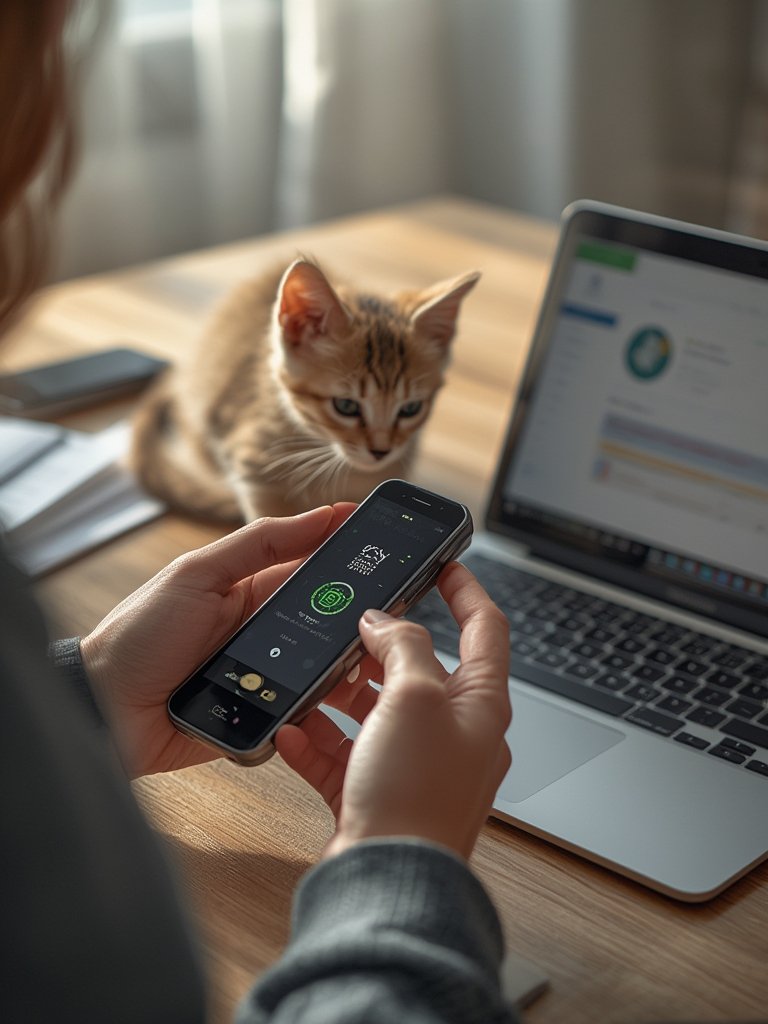
Need extra help? Our in-depth guide to pet screening apartment approvals covers documentation tips and mistakes to avoid.
Looking to improve your approval odds? Read our proven strategies for boosting your pet screening score.
Advanced Analysis & Common Pitfalls
Despite their benefits, pet verification services are not foolproof. Unauthorized pets remain a top challenge for landlords, with enforcement and compliance often falling short even on advanced platforms. Regulatory compliance is especially tough around assistance animals, as landlords must handle Fair Housing Act (FHA) accommodations with care and up-to-date documentation.
Most renters report these top pain points:
- Verification delays – Incomplete or unclear records can stall approvals by days or weeks.
- Documentation fraud detection – Some platforms lack the tools to detect fake vaccination records or breed misrepresentation, risking landlord liability.
- Lack of cost clarity – Fees can be hidden or passed to renters unexpectedly, adding on top of average pet rent charges ($34-37/month).
- Unclear privacy and data use – 2024 privacy and data security practices are poorly disclosed. For a platform collecting personal and pet data, this is a red flag.
- No standards for document types – Even leading services don’t clearly outline which documentation is best (vet records, breed certificates, or behavioral reports).
Landlords also face headaches around integration glitches, especially as property management software ties in with verification platforms.
| Aspect | Typical Problem | Practical Solution |
|---|---|---|
| Verification Speed | Delays due to missing or unclear records; slow manual review for assistance animals | Upload clear docs stated up front; reply ASAP to follow-ups; consider contacting landlord if delays persist |
| Documentation Quality | Systems may not flag fake or altered records | Always use originals; if you’re a landlord, spot-check random submissions for authenticity |
| Cost Transparency | Extra fees can emerge late in the process | Ask your property manager up front for the full list of pet-related fees |
| Data Privacy | Unclear how renter and pet info is used or stored | Request the provider’s most recent privacy policy before uploading sensitive information |
| Software Integrations | Integrations with property tools can break, losing data or creating duplicate requests | Keep copies of all submissions and check in if you don’t hear back in a reasonable time |
For a full breakdown of landlord protections and risk reduction, read our guide to pet screening for landlords. For a direct answer to “what is pet screening?” see our full explanation.
Top providers like PetScreening have led the charge on risk standardization and growth, but concerns remain over documentation, privacy practices, and consistency of enforcement. As platforms evolve, expect future litigation or regulation around privacy standards in rental housing.

Conclusion
A pet verification service can make or break a rental experience for pet owners and property managers. The rapid adoption in 2024 means millions now rely on these tools, but transparency, data privacy, and user experience remain hit-or-miss. Always be proactive: prepare complete records in advance, clarify costs before submission, and communicate promptly to reduce surprises.
Ready to protect your property or get approved faster? Explore our best practices for leveraging a pet verification service, and keep your rental experience smooth and stress-free.
For more pet-friendly living tips, don’t miss our trending guides on smart pet shopping and pet paradise resorts.
Frequently Asked Questions
What is a pet verification service and how does it work?
A pet verification service is a digital system used by landlords or property managers to collect and review information about renters’ pets or assistance animals. It standardizes the screening process with digital profiles and documentation checks, often integrating with property management tools.
What documents do I need for a pet verification service?
Typical documents include up-to-date vaccination records, veterinary health certificates, clear pet photos, and, if relevant, behavioral or training certificates. Some services may require additional records for assistance animals, such as doctor’s letters.
How long does the pet verification process take?
Verification typically takes 1–5 days, but delays can happen if records are missing or require expert review (especially with assistance animals). Always respond quickly to requests for more info to avoid slowdowns.
Are my personal and pet details safe with pet verification services?
Data privacy is a concern, as most leading services don’t publicly share robust privacy practices for 2024. Before submitting sensitive info, request or review the provider’s privacy policy and ask how your information is protected.
Do all landlords require a pet verification service for rentals?
No. While many large property managers require it, some smaller landlords rely on manual document collection, interviews, or deposit-only policies. Confirm requirements before applying.
—