

Lawn care tips are the single most effective way to maximize grass health, water efficiency, and curb appeal for homeowners in 2024. If you want a consistently vibrant yard—without wasting time or money—it’s time to use a realistic schedule with proven strategies for every season and region. Lawn care success isn’t a mystery, but it’s easy to go off track or miss crucial steps. This no-fluff guide covers actionable advice, advanced science-backed tactics, and common mistakes most articles skip.
Key Takeaways
- Always match your lawn care schedule to your local climate and grass type for the best results.
- Overlooked lawn care essentials—like soil testing and disease prevention—make a significant difference but are often skipped.
- Consistent mowing, deep watering, and timely feeding each season improve lawn health and resilience, not just appearance.
- What Makes a Proven Lawn Care Schedule?
- Step-by-Step Lawn Care Tips for Every Season
- Advanced Analysis & Common Pitfalls
- Conclusion
- FAQ
What Makes a Proven Lawn Care Schedule?
Most modern lawn care tips recommend a consistent, seasonal approach tailored to your lawn’s grass type (cool-season vs warm-season) and local climate. This schedule should guide when to mow, fertilize, water, aerate, seed, and apply treatments—so grass peaks in health and appearance at the right times, and recovers from stress or drought.
Following a science-backed schedule, like those from LawnStarter or university extensions, means fewer weeds, reduced soil compaction, deeper roots, and fewer problems with pests and disease. deep, infrequent watering (1 to 1.5 inches per week) bolsters drought tolerance in both cool- and warm-season lawns. Timely mowing and fertilizing support long-term curb appeal, while preventing issues like brown patch fungus or poor seed germination.

Importantly, professional services exist to lighten the load—but whether you do it yourself or hire out, the foundation is always a regional schedule that accounts for growth cycles, weather, and soil health.
Learn more about choosing affordable professional lawn care services, or, if you prefer a hands-on approach, explore DIY home improvement trends to further boost curb appeal.
Step-by-Step Lawn Care Tips for Every Season
Here’s a realistic, evidence-based seasonal maintenance plan you can follow or adjust based on your region and grass type. Each step maximizes results and prevents common mistakes.
Spring (March-May)
- Mowing: Begin mowing as grass starts actively growing (usually March/April). For cool-season fescue, set blade to 3.5-4 inches and mow weekly. Don’t scalp; raise height during heat spells to avoid stress.
- Fertilizing: Apply a balanced fertilizer as growth resumes in spring. Cool-season lawns benefit from a slow-release feeding now.
- Aeration: core aerate cool-season lawns in April to fight compaction and boost root growth.
- Weed Control: Spring is the time for pre-emergent herbicide—unless you plan to overseed. Avoid pre-emergents if so, as they block grass seed too.
Summer (June-August)
- Mowing: Mow 1-2 times per week for warm-season lawns (Bermuda, Zoysia), higher mowing height reduces stress. Avoid cutting more than 1/3 of grass height at once.
- Fertilizing: Warm-season lawns thrive with a nitrogen-rich fertilizer in June. Avoid summer feeding for cool-season grasses; it can stress them.
- Watering: Increase watering—especially for cool-season grass. Water early morning to reduce evaporation.
- Disease Control: Apply fungicides preventatively on susceptible cool-season lawns like fescue (especially for brown patch).
- Pest Monitoring: Watch for grubs, chinch bugs, and treat if problems develop.
Fall (September-November)
- Mowing: Continue regular mowing through November for cool-season lawns; scale back for warm-season varieties as growth slows.
- Fertilizing: Feed cool-season lawns in September and again in late fall for winterization. Warm-season lawns stop fertilizing 6-8 weeks before your average frost.
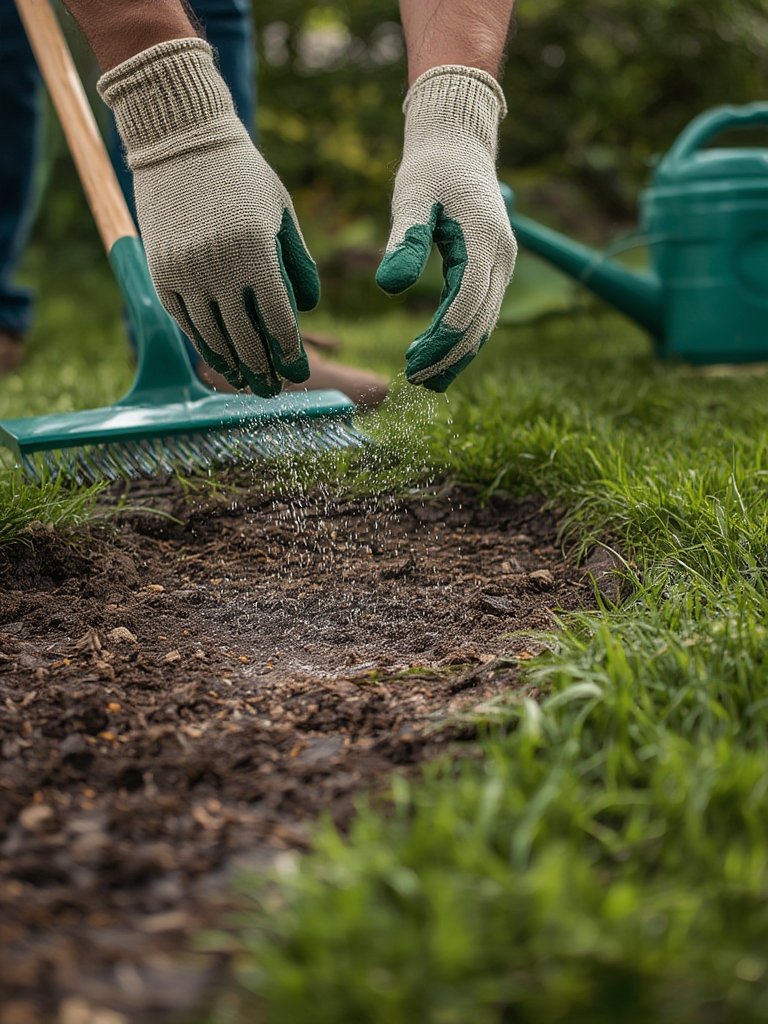
- Overseeding: Early fall is the prime window for overseeding fescue and ryegrass; keep newly seeded areas moist and avoid weed control products.
- Aeration: Aerate cool-season lawns again if needed.
- Leaf Management: Keep grass free from heavy leaf cover to prevent mold and smothering.
Winter (December-February)
- Watering: Water as needed, but most regions can significantly reduce irrigation. Only water during extended dry periods.
- Mowing: Little to no mowing is needed if grass is dormant.
- Disease & Traffic: Avoid walking on frozen turf to prevent crown damage. Clear debris to prevent snow mold.
If you’re interested in reducing maintenance, discover how zoned garden design creates low-maintenance landscape sections without sacrificing a green lawn.
Want to fix rough or uneven areas? Check out a lawn leveling rake guide to learn pro methods for smoothing your yard before overseeding.
Timing Table for Lawn Care Tasks
| Task | Cool-Season Lawns | Warm-Season Lawns |
|---|---|---|
| Mowing | Mar/Apr–Nov, weekly | Apr/May–Oct, 1–2x/week in peak |
| Fertilizing | Mar–May, Sep, Nov (winterizer) | Apr–Sep, monthly May–Aug |
| Watering | 1–1.5″/week, year-round (more in summer) | 1–1.5″/week, increase summer |
| Aeration | Apr, Sep | Jul, Aug |
| Seeding/Overseeding | Apr/May, Sep/Oct | Late spring, early summer (avoid winter) |
For natural solutions and eco-friendly grass, check these proven organic lawn care tips.
Advanced Analysis & Common Pitfalls
Even when using a solid schedule, most homeowners run into avoidable problems. Here’s an honest look at what the research and expert sources reveal:
- Lack of Soil Testing: It’s rarely mentioned but skipping regular soil tests means you might be over– or under-applying lime, nitrogen, or other amendments—leading to wasted money, poor growth, or even fertilizer burn. Source
- Improper Pre-emergent Herbicide Timing: Applying pre-emergent in fall, then overseeding, can prevent seed germination entirely. Always plan weed control and overseeding strategies as a pair.
- Fungicide Timing: Brown patch and summer fungal disease are easily prevented with the right fungicide early, but applying too late—or not at all—leads to costly damage.
- Poor Watering Habits: Overwatering wastes resources and boosts fungal disease—underwatering leads to shallow roots and stress. Deep, infrequent, early morning watering (1 to 1.5 inches a week) is best for disease resistance and low bills. Source
- Ignoring Disease & Pests: Subtle pest infestations (grubs, chinch bugs) or fungal attacks are often incorrectly blamed on fertilizer/watering—but require unique treatments and timing. Source
Cost Considerations: Actual DIY vs. professional costs depend on region, yard size, and product selection. Professional service simplifies scheduling and avoids mistakes—but expect yearly fees for mowing, fertilizing, weed and disease control, and aeration. No current research provides U.S. region breakdowns for 2024.
Upsides and downsides of common lawn care methods and products:
| Product/Method | Benefit | Drawback |
|---|---|---|
| Pre-emergent Herbicide | Prevents weed seed germination in spring | Blocks grass seed too—don’t use if overseeding |
| Slow-release Fertilizer | Feeds grass gradually, reducing burn risk | Costs more upfront; can underperform in very poor soils |
| Fungicide | Prevents destructive diseases like brown patch | Needs correct timing; unnecessary use wastes money |
| Deep Infrequent Watering | Stronger, deeper roots and water conservation | Requires schedule discipline and monitoring |
We see little user feedback online regarding frustrations, but real-world pain points include skipped steps, unpredictable weather, and balancing eco-friendliness. Local regulations may also limit watering or chemical use, so always check city or HOA rules before treating or reseeding.
Not sure about the right time to sharpen or maintain your mower for best results? Check this mower blade sharpening guide for healthier grass and better mowing efficiency.
Conclusion
Sticking to region-specific lawn care tips—matched to season, climate, and your exact grass type—makes the difference between a struggling lawn and a reliably beautiful one. Focus on soil testing, correct mowing/watering schedules, and timing for key products like fertilizer, weed preventers, and fungicides. Address pitfalls and adapt as your local weather and lawn needs change. Ready to transform your yard? Start implementing these strategies today, or explore local grass cutting services and professional help for next-level results.
FAQ
How often should I mow my lawn during the growing season?
Mow cool-season lawns weekly from spring through fall, and warm-season lawns 1–2 times per week during summer peak. Always avoid removing more than one third of the grass height at a time.
When is the best time to water my lawn?
Early morning is ideal for watering. Aim for one to two deep waterings per week, delivering a total of 1–1.5 inches, which promotes deeper roots and drought tolerance.
Should I fertilize in the summer?
Feed warm-season grasses in summer, especially with nitrogen-rich products. For cool-season lawns, avoid heavy summer fertilizer—wait for early fall instead to reduce stress and disease risk.
Do I need to aerate my lawn every year?
If your soil is compacted or has heavy traffic, annual core aeration helps grass roots grow deeper. Lawns with good soil structure may need it less often.
What’s the #1 mistake homeowners make in lawn care?
Skipping soil testing is the most common and costly mistake. Without it, you can waste money on the wrong fertilizer or amendments—or cause new problems instead of solving them.