

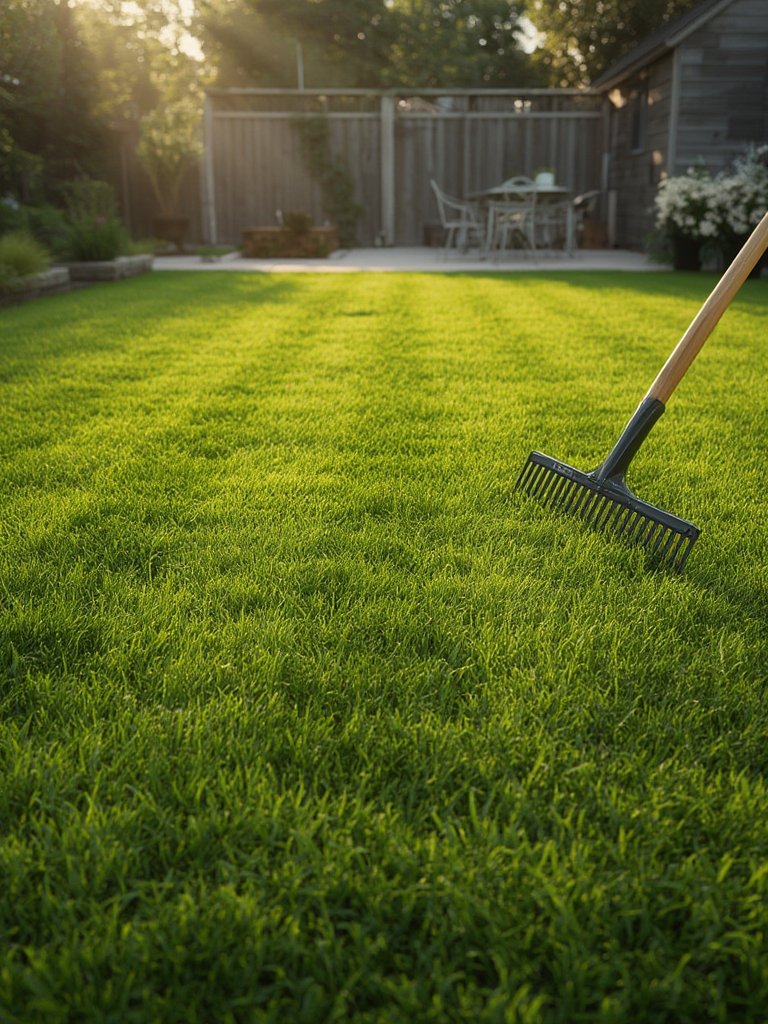
lawn leveling rake is the simplest way to fix low spots, bumps, and uneven patches in your yard for a healthier, smoother lawn. Whether you’re a keen DIYer or just want to improve your lawn’s appearance, choosing the right lawn leveling rake can save you time and frustration.
Key Takeaways
- Lawn leveling rake demand is strong in 2024, driven by DIY trends and home improvement projects.
- Residential-level rakes are affordable and easy for DIYers; professional models offer more precision for large lawns.
- Correct rake technique avoids common leveling mistakes and delivers lasting results.
- What is a Lawn Leveling Rake and Why Use It?
- How to Use a Lawn Leveling Rake: Step-by-Step Guide
- Advanced Analysis & Common Pitfalls
- Conclusion
- Frequently Asked Questions
What is a Lawn Leveling Rake and Why Use It?
A lawn leveling rake is a wide-headed tool designed to distribute topsoil or sand evenly over a lawn, making it easier to fill in dips, smooth out bumps, and fix patchy areas. Most rakes have a long flat head (sometimes called a lawn leveler) and a sturdy handle for easy pushing and pulling across the grass. Whether your lawn suffers from mild hollows, rough spots, or heavy foot traffic damage, a good rake can help restore a flat, walkable surface.
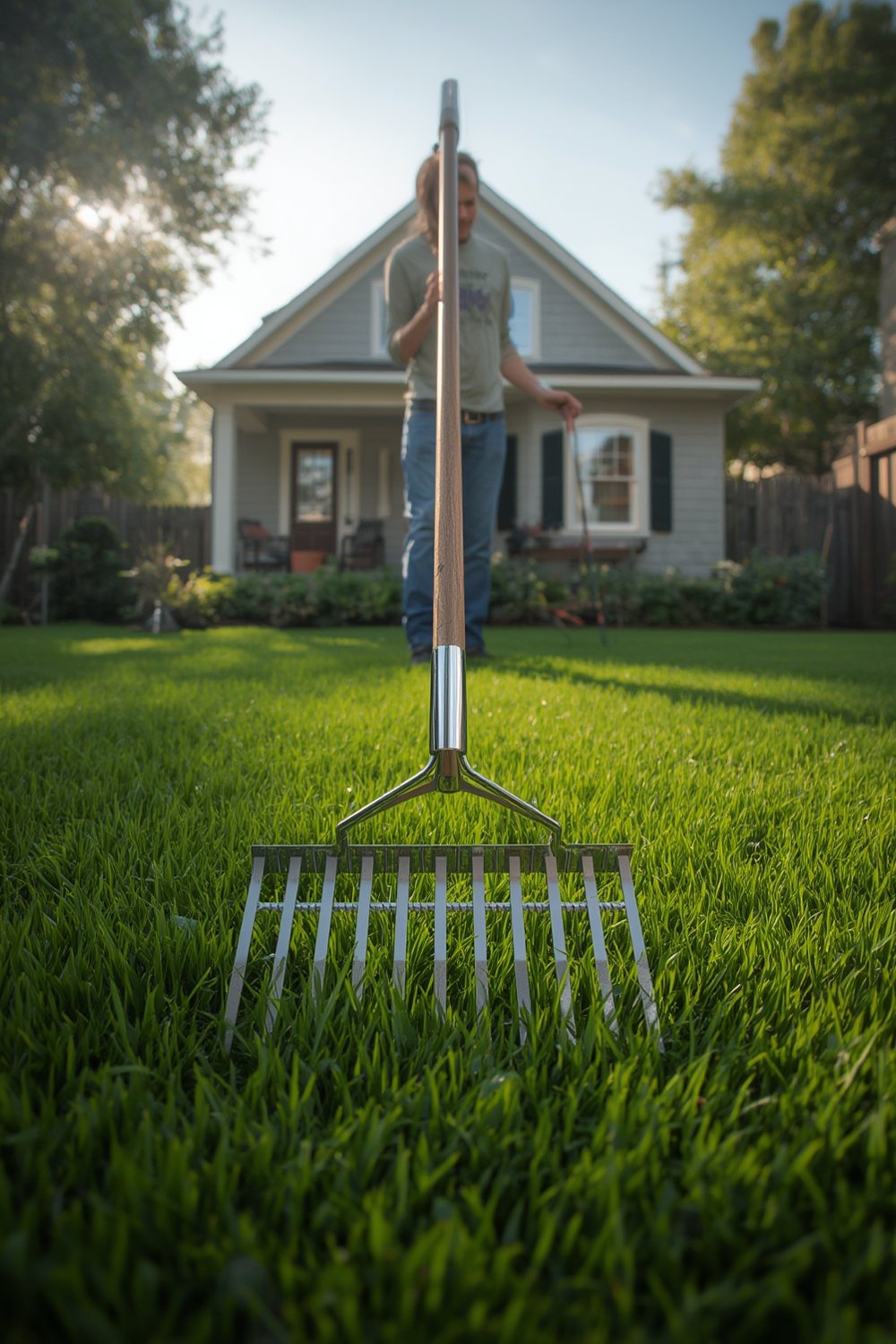
The popularity of lawn leveling rakes is rising fast—market data shows the sector reaching as much as USD 325 million in 2024, with driven growth from homeowners and landscaping professionals alike. North America leads the pack, thanks to mature landscaping habits, but Asia Pacific is catching up fast due to urbanization and sports turf investment (source).
Unlike ordinary garden rakes, the lawn leveling rake is specifically built for even spreading of soil materials over large and small areas. It prevents gouging the ground and ensures consistent thickness—a must for the long-term health of your grass.
Want to see how this fits into the latest Home Improvement Trends? Lawn improvement can boost resale value when paired with other trending upgrades.
How to Use a Lawn Leveling Rake: Step-by-Step Guide
Leveling your lawn is not complicated if you approach it in the right order. Start with a raked, mowed, and dry lawn so you can see all the uneven spots. Here’s a direct, actionable process:
- Prep the area: Mow the lawn short and rake away debris.
- Identify dips and bumps: Walk over your lawn and flag uneven areas.
- Top-dress: Use a high-quality topsoil or sand mix and spread a thin layer over low spots (typically no more than 0.5 inch in one pass).
- Spread with the lawn leveling rake: Push and pull the rake with moderate pressure. Use a side-to-side sweeping motion to spread the material smoothly. Don’t press too hard or you’ll tear the grass.
- Repeat as needed: For deeper depressions, let grass recover for a few weeks and repeat the process gradually.
- Water lightly: After leveling, water the soil to settle materials and encourage grass to grow through the new layer.
- Inspect and refine: Check the area after a few days and spot-treat persistent low spots.
If you’re working on a sloped yard, level in smaller sections from the top down to avoid material runoff. For best results, repeat the process every spring or after heavy lawn use. Consider pairing this DIY with other projects from our Home Improvement Tools guide for a total yard update.
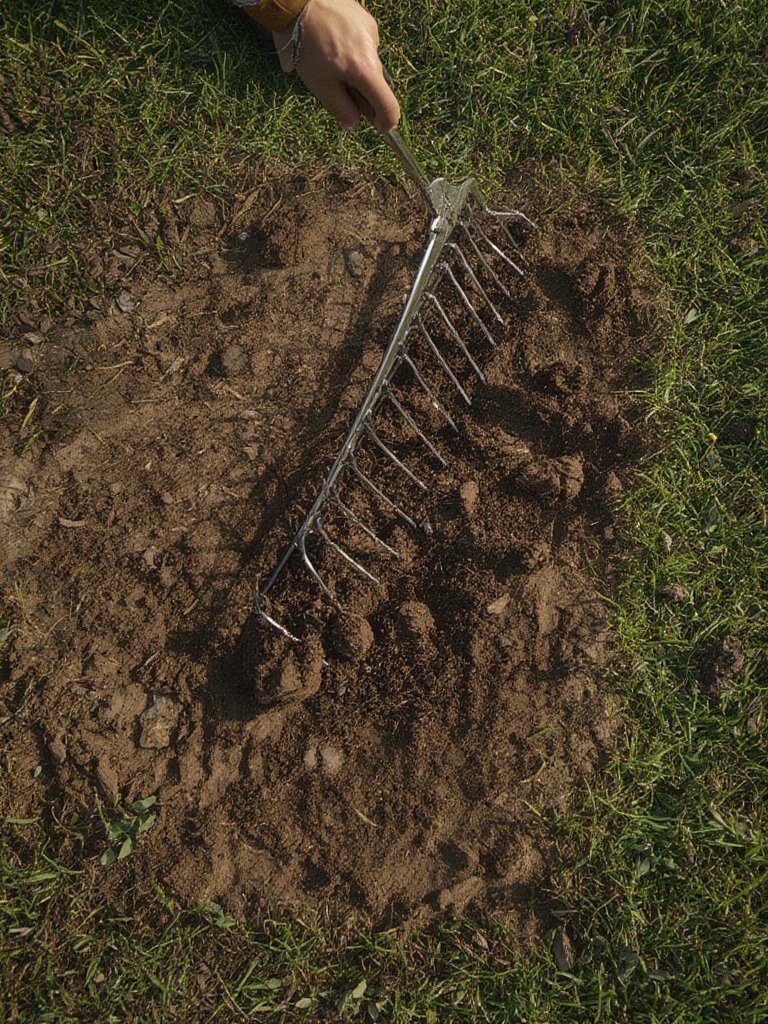
Levelling is less about brute strength and more about patience and gentle, repeated passes. To make your project easier, choose the right size rake for your lawn—residential models are lighter and perfect for small yards, while professional rakes cover more area but can be heavy to maneuver. If you’re renovating your outdoors, see how leveling links with DIY Home Decor or zoned garden strategies.
Advanced Analysis & Common Pitfalls
Many homeowners rush the leveling process, thinking more soil or sand will “fix” the problem in a single weekend. But hasty work can suffocate grass, create new bumps, or leave patchy results.
| Mistake | Consequence | How to Avoid |
|---|---|---|
| Using wet or clumpy soil | Clogs rake; uneven distribution | Always use dry, sifted materials |
| Adding too much topsoil at once | Buried grass, weak growth | Limit layers to half an inch |
| Working on wet turf | Soil compaction, root damage | Level on a dry day |
| Ignoring bumps | Lumpy, uneven lawn returns quickly | Flag and re-level persistent spots |
There are also product considerations. Fixed-head rakes are simple but may not suit larger or oddly shaped yards. Adjustable rakes offer more versatility but can cost more and may lack sturdiness over time. No single model suits every user: weigh your lawn size, soil type, and physical ability before buying.
Remember that commercial-grade rakes offer greater durability and coverage—for example, in golf courses or sports fields—but are often overkill and unwieldy for standard residential use (read the full market analysis).
Still unsure if you want to tackle a large yard on your own? Partner with an experienced Contractor for Home Improvement for professional advice and faster results with minimal mistakes.

Conclusion
A smooth, level lawn doesn’t have to be a fantasy. With the right tools and realistic expectations, you can use a lawn leveling rake to fix bumpy or uneven ground for real, lasting results. Don’t rush—apply thin layers, be patient, and always select the right rake for your yard’s size and your own comfort. If you want to master more outdoor upgrades, check out our detailed lawn leveling rake guide for further tips and inspiration.
Ready to invest in your lawn’s health? Choose a quality lawn leveling rake today and see the improvement for yourself.
Frequently Asked Questions
How often should I level my lawn?
For most lawns, once every one to two years is enough unless you see new bumps or dips appearing. Minor touch-ups can be done more frequently, especially after a wet winter or heavy use.
What is the best soil mix for lawn leveling?
Use a 70/30 mix of sand and topsoil. This blend offers good drainage, prevents compaction, and makes it easy for grass to grow back through the newly leveled surface.
Will a lawn leveling rake damage my grass?
If used properly—spreading thin layers and avoiding heavy pressure—the rake should not damage established grass. Overloading with soil or using too much force may cause yellow spots or poor regrowth.
What size lawn leveling rake should I use?
Choose a residential-sized rake (approximately 30-36 inches wide) for small to medium lawns. For larger areas, a professional model (48 inches or more) is more efficient but may be too heavy for occasional use.
Can I hire a service instead of doing it myself?
Absolutely. If your lawn is large, heavily damaged, or you simply want a perfect result, consider hiring a professional through local landscaping services or explore home remodeling near me options.