

Zoned garden design is changing home landscapes in 2024 by dividing your outdoor space into distinct, purposeful areas—maximizing productivity, relaxation, and biodiversity but also bringing new challenges most guides skip. Here’s what the latest research and hands-on experience reveal about this trending approach.
Key Takeaways
- Zoned gardens can reduce routine maintenance and support biodiversity, but research shows no guarantee of higher yields versus traditional layouts.
- Common obstacles include initial planning complexity, maintenance confusion, and unclear cost estimates.
- Smart layout, water-saving features, and multifunctional spaces are essential for a successful zoned garden in 2024.
- What Is a Zoned Garden and Why Try It?
- Step-by-Step Guide: How to Create Your Zoned Garden
- Advanced Analysis & Common Pitfalls
- Conclusion: Is a Zoned Garden Right For You?
- Frequently Asked Questions
What Is a Zoned Garden and Why Try It?
A zoned garden means dividing your outdoor area into distinct zones, each with a clear purpose. Think of having a lush edible garden, a secluded seating spot, a wildflower mini-meadow, or a kids’ play space—each occupying its own part of the yard. This structure isn’t just about visuals. Zoning supports better resource management, easier maintenance, and encourages diverse wildlife, especially when blending features like pollinator strips and gravel beds.
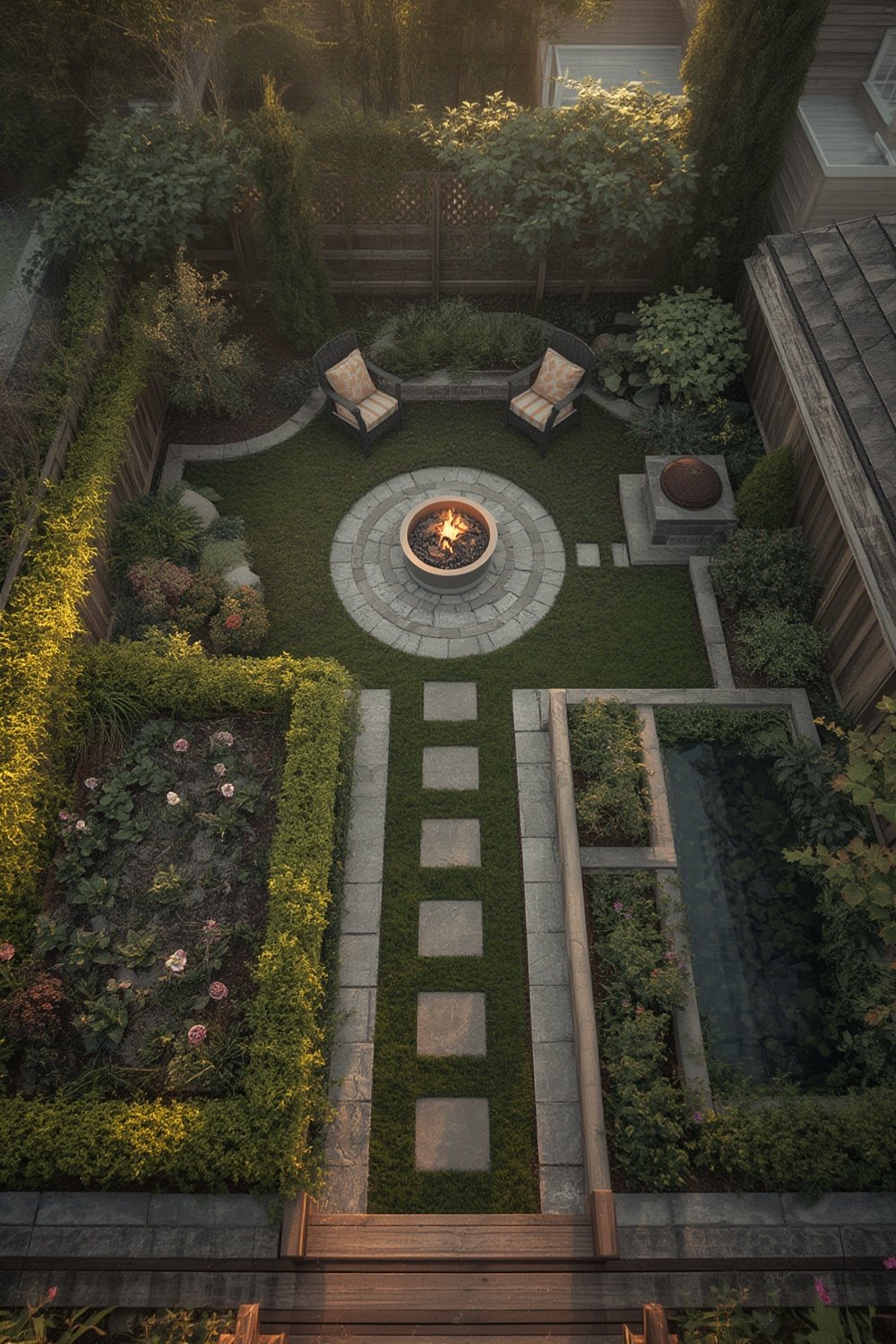
Recent landscaping trends spotlight zoned layouts for reducing labor and water use. Although direct data on yield gains is lacking, gravel and naturalistic zones can cut maintenance by up to 75% and enhance pollinator habitats (source). Whether you want to relax, grow food, or boost your home’s value (see these home improvement trends), garden zoning gives structure—with realistic pros and cons to weigh.
Step-by-Step Guide: How to Create Your Zoned Garden
-
Assess Your Space and Sunlight
Sketch your yard, noting existing features and paths. Map the sun’s path to see which spots get full sun, part shade, or shade—this shapes what each area can become. -
Define Your Essential Zones
Choose no more than three to five main zones for a typical backyard. For example: “edible garden”, “relaxation area”, “wildlife corner”, “children’s play”, “utility/drying zone”. Prioritize zones by your real lifestyle and maintenance capacity. -
Prep the Soil for Each Zone
Veggie and flower zones need soil enriched with compost. Gravel or drought-resistant beds require a weed membrane and sand/gravel for drainage. New Wave naturalized meadows thrive on close grouping of compatible species. -
Install Infrastructure First
Lay out permeable paths, rainwater harvest barrels, or drip irrigation now—not after planting. Plan vertical gardens or containers for small or multifunctional spaces. -
Select Plants and Features by Zone
Choose edibles for the kitchen patch, hardy evergreens and perennials for low-care zones, pollinator-attracting natives in biodiversity areas. Consider bee hotels, birdhouses, or water features for wildlife zones. -
Arrange Zones Logically
Place high-maintenance or high-use zones closer to your door. Tuck wildlife areas or gravel beds farther away. Ensure enough room to move tools, sit, and enjoy—not just plant. -
Automate and Mulch
Install smart irrigation or lighting to reduce labor. Mulch beds to retain moisture and suppress weeds. -
Review and Maintain
Walk your garden over several weeks, adjusting for sunlight, water runoff, or flow. Don’t hesitate to shift boundaries or convert underused areas.
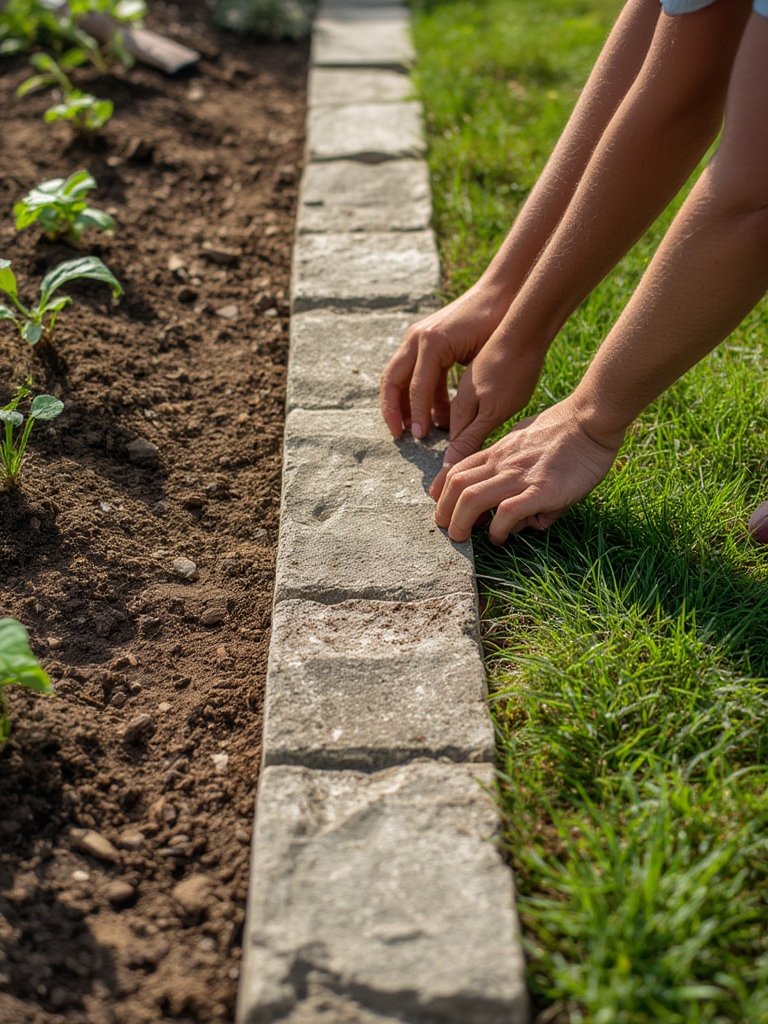
Is your plan missing the mark on budget or know-how? Try building simple zones first—such as a small container garden with vertical elements, then expanding as you gain confidence. Don’t forget, garden zoning can work with DIY home decor or add value for resale—see these home remodeling tips.
Advanced Analysis & Common Pitfalls
While zoned gardens sound convenient, the real-world experience is nuanced. Research from 2024 reveals gaps in hard proof for bigger yields or less work compared to regular layouts (community garden report). Here are some critical issues you may face:
- Planning Paralysis: Trying to zone everything at once can stall the whole process or result in awkward layouts. Start small.
- Hidden Maintenance Loads: If zones aren’t suited for the site—sun, shade, or water run-off—you could end up with more weeding or dead patches than a simple open plan.
- Unclear Costs and Upfront Investment: There’s little published data on actual costs for backyard zone gardens in 2024. DIY paths and beds save money, but smart irrigation or custom hardscaping can add up.
- Overcomplication Risk: Overly “busy” zoning risks making the garden feel messy or cluttered, reducing practical enjoyment.
| Garden Zoning Type | Maintenance | Effectiveness | Long-term Results |
|---|---|---|---|
| Permaculture Zones | Low (if planned well) | High adaptability for food, wildlife, utility | Sustains soil, resilience, and diversity |
| Traditional Horticultural Zones | Varies by plant choice | Quick visual impact, easier to plan | May require more work if plants poorly matched |
| Gravel/New Wave/Meadow Zones | Lowest (up to 75% reduction) | Superb for pollinators, low-input | Long-term stability, fewer divisions |
For advice from the ground, integrate technology early. IoT systems can automate watering or lighting, but don’t let gadgetry overshadow practical zone planning. Remember, garden zoning isn’t magic—give yourself permission to adapt or reset areas as needed.
Looking for more practical value-focused advice? Explore the right home improvement tools or check out how to choose a contractor if you go beyond DIY scale.
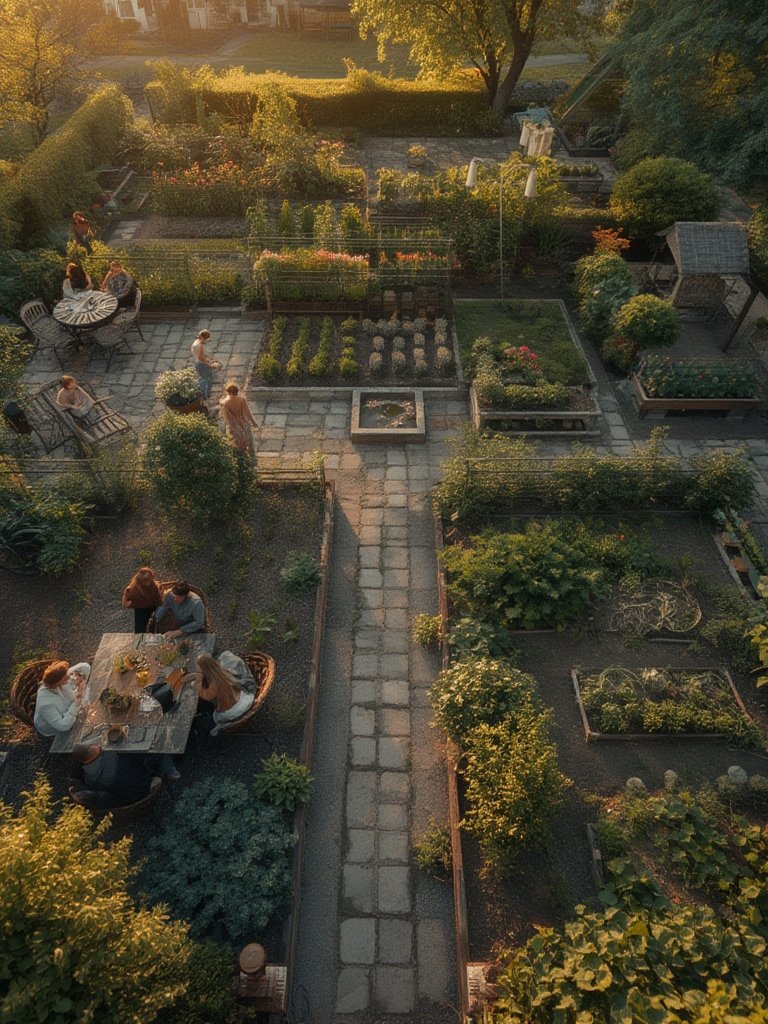
Conclusion: Is a Zoned Garden Right For You?
Designing a zoned garden is a smart way to optimize outdoor living—if you start with clear goals and realistic expectations. It’s not a shortcut to massive yields or zero effort, but the right plan can cut maintenance, encourage biodiversity, and create a yard that truly fits your life. Take it step by step and adapt as you go—because the best zoned garden blends structure with your unique needs. Ready to design your own? Define your zones and get started this season.
Want to personalize your garden and home even more? Browse our expert DIY wall art or smart home upgrades for inspiration beyond the outdoors.
Frequently Asked Questions
Does zone gardening really increase yields?
There’s no direct proof that zoned gardens consistently outperform traditional layouts for yields. Most studies show yield gains in community or well-planned communal gardens, not from zoning alone. Carefully grouped and managed plantings work best.
How much does it cost to build a zoned garden?
No precise 2024 data exists, but costs vary from almost nothing for simple DIY beds to several thousand dollars for beds, hardscaping, and automation. Ongoing costs are typically low if you use mulch, native plants, and low-water beds.
What’s the biggest maintenance saver in a zoned garden?
Gravel zones and native, drought-tolerant plants can cut water and weeding needs by up to 75% compared to conventional beds, according to expert sources.
How do I decide which zones are right for my backyard?
List your top daily uses (like eating, relaxing, growing food), study how sun and moisture hit each area, then assign one purpose to each spot. Start with just a couple of zones—the rest can evolve.
Are there any downsides to garden zoning?
Potential downsides include higher upfront planning time, buying new materials, or ending up with underused “dead space” if zones are poorly planned. Start focused, adjust yearly, and don’t overcomplicate your space.