

Pet verification process is now a standard part of renting for pet owners and landlords alike—if you don’t prepare, it can slow down your rental or cause disputes. Here’s what you need to know to handle the process smoothly, avoid common mistakes, and protect yourself from stress or extra fees, whether you’re a pet owner or property manager.
Key Takeaways
- The pet verification process is shaping rental policies across the US, yet clear industry-wide data on mandatory verification is lacking.
- Digital platforms streamline verification but raise new questions about privacy, document accuracy, and accessibility for all tenants.
- Fraud prevention and clear guidelines are critical—many landlords now rely on third-party experts to spot fake documents and ESA claims.
- Understanding the Pet Verification Process
- Step-by-Step Guide to Pet Verification for Rentals
- Advanced Analysis & Common Pitfalls
- Conclusion
- FAQ
Understanding the Pet Verification Process
The pet verification process is used by landlords, property managers, and digital screening services to check tenants’ pet information before approving rental applications. This process protects property value, keeps tenants safe, and ensures compliance with animal laws.

Landlords commonly require applicants to submit details like breed, size, vaccination records, behavior history, and sometimes training certificates. Leading digital services, such as PetScreening and OurPetPolicy, automate these checks and produce a Pet Profile or FIDO Score™ to assess risk. Assistance animal requests, such as emotional support animals (ESAs), get additional scrutiny, often with third-party or specialist reviews that follow HUD guidelines.
Despite the rapid adoption of these platforms, there’s still no clear statistic for what percentage of rental properties mandate a formal pet verification process. However, data shows that most communities enforce some pet policies, and more operators are turning to automated verification to avoid property damage and unauthorized pets.
If you’re looking for more on rental pet policy trends, you can find valuable insights in the best practices guide to pet screening.
Step-by-Step Guide to Pet Verification for Rentals
Streamlined and accurate pet verification makes the rental process fair for everyone. Here’s exactly how to complete the process and avoid setbacks:
- Read the rental listing and request the official pet policy: Get written details on which pets qualify, documentation requirements, breed/weight rules, and fees.
- Gather documentation: Common proofs include updated vaccination and vet records, behavior/training certificates, spay/neuter confirmation, and pet photos. A pet background check may be required.
- Input pet details into a digital portal: Most landlords use online verification services. Upload all documents, enter pet data, and authorize digital record checks.
- Disclosure of special status (ESA/service animal): If your pet is an assistance animal, expect extra vetting according to HUD rules. Use an independent peer reviewer, not your leasing agent.
- Review your compliance report: You may receive a digital Pet Profile with an approval, denial, or request for more info. Read it carefully and address issues swiftly to prevent delays.
- Appeal or resolve disputes: If you disagree with a negative outcome, check whether the platform provides dispute resolution or direct accountability. Prepare to show alternative evidence or ask about accessibility accommodations for ESAs.
- Finalize rental terms and payment: Once approved, confirm your lease details, pay any necessary pet deposits or rent surcharges, and keep a record of all communications.
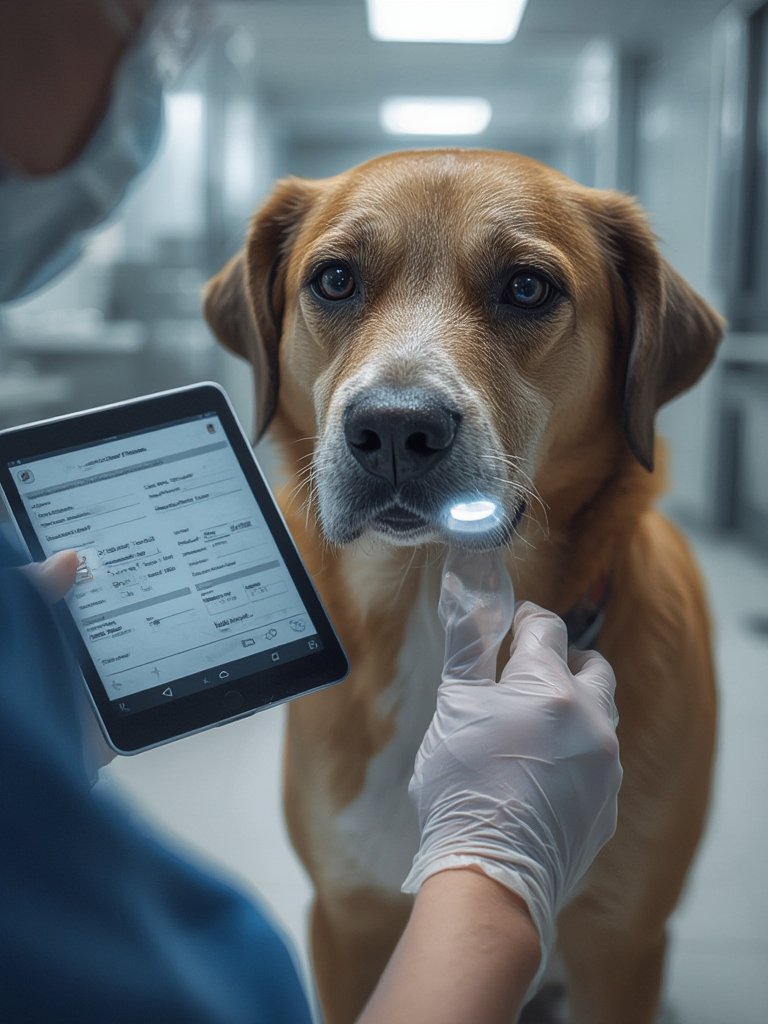
Many tenants overlook the real impact of digital pet verification platforms. These systems flag incomplete forms, errors in vaccination dates, or even inconsistencies in breed description—issues that can set your rental back by several days. Enhanced documentation review also helps detect fake service animal paperwork, a frequent source of legal risk for landlords.
For more stepwise guidance, refer to this actionable pet screening process guide or explore how to boost your pet screening approval odds.
Advanced Analysis & Common Pitfalls
Even as digital solutions improve, real-world pain points persist for both tenants and property managers:
1. Ambiguous Requirements and Documentation Gaps
Many tenants are caught off guard by vague pet policy details—especially what qualifies as acceptable proof, the fee structure, or whether all animals are covered. This often results in missing documentation, repeated submissions, or outright rejections.
2. Delayed Approvals Due to Manual Review
Some property managers still use manual vetting or untrained leasing staff to evaluate documentation—these approaches are slow and increase the risk of overlooking fraudulent papers, especially for ESAs. Outsourcing to platforms like PetScreening improves compliance and reduces fake approval rates, per industry analysis.
3. Data Privacy and Security Concerns
The move to third-party screening raises new issues around how pet data is stored and privacy is protected. Very few top-ranking articles outline how your information is used or what safeguards exist—something tenants should ask about up front.
4. Lack of Regulatory Updates and Legal Gray Areas
Recent years have seen no significant legal changes concerning pet verification at the federal level, but improper handling of assistance animal documentation can mean Fair Housing violations for landlords. About 16% of residents in some studies have assistance animals, emphasizing the critical need for compliant practices (source).
| Verification Step | Typical Issues | Potential Solution |
|---|---|---|
| Initial Document Upload | Unclear file formats, missing vaccine records | Check requirements and use a digital checklist like this one |
| ESA/Service Animal Requests | Suspicious documentation, delayed peer review | Use trusted third-party evaluators following HUD guidelines |
| Platform Privacy | Unspecified data retention and usage policies | Request privacy policy and data handling procedures |
| Dispute Resolution | No clear appeal or correction process | Ask for review protocols before you submit your application |
For deeper risk analysis, see our comprehensive guide to pet risk assessment or learn how to use a pet behavior history report for better outcomes.

Conclusion
The pet verification process ensures safer, fairer rentals for everyone—but only if you come prepared and aware of the common pitfalls. Organize your documents, know your rights about data privacy, and don’t hesitate to ask about dispute processes or ESA accommodations. For property managers, trusting established digital screening platforms minimizes legal risk and keeps communities safe.
If you want to master the pet verification process, get our proven step-by-step guide and free checklist here. Don’t let avoidable errors or missing paperwork derail your next rental—get compliant, get approved, and make renting with pets simple.
FAQ
What documents do I need for a pet verification process?
You typically need vaccination records, proof of spay/neuter, recent vet checkups, pet photos, and sometimes behavior or training certificates. ESAs or service animals require additional supporting documentation following HUD guidance. For a detailed checklist, see pet screening documents guide.
How long does the pet verification process take?
Most digital verification systems provide approval within 2-5 business days if documentation is complete, but errors or missing evidence can extend the process significantly.
Are pet verification platforms secure and private?
Not all platforms are transparent about data use. Always ask landlords which service they use and request privacy policies before sharing sensitive pet or personal information.
Can my pet be denied for breed or size?
Yes. Landlords or platforms may reject pets based on breed, size, or weight restrictions. These rules should be stated in the rental’s official pet policy and are legally enforceable.
How can I dispute a failed pet verification?
Check whether the platform used offers an appeal or dispute resolution process. If not, submit additional evidence directly to your landlord and ask for a written review protocol.