

Lawn care schedule can make or break your yard—whether you dream of a lush green carpet or want to avoid constant headaches and wasted effort. Many homeowners guess or do ad-hoc lawn care, but a science-backed seasonal approach saves time, money, and gives better, lasting results.
Key Takeaways
- Sticking to a seasonal lawn care schedule is much more effective than sporadic, ad-hoc maintenance—industry experts and homeowners agree, even as 2024 trends shift toward sustainability.
- Regional climate and grass type matter. Applying “one-size-fits-all” schedules leads to wasted water, rampant weeds, and unnecessary expense.
- The biggest homeowner frustrations are time commitment, pet and weather damage, and confusion over when (and what) to fertilize, mow, and treat for weeds or pests.
- What is a Lawn Care Schedule & Why It Matters
- Step-by-Step Lawn Care Schedule for Every Season
- Advanced Analysis & Common Pitfalls
- Conclusion
- FAQ
What is a Lawn Care Schedule & Why It Matters
A lawn care schedule is a recurring plan that outlines what you should do for your yard every season, including mowing, watering, fertilizing, aeration, weed control, pest management, and more. Unlike random maintenance, a schedule helps prevent common mistakes (like overwatering or mowing too short), optimizes growth, and massively cuts down on wasted effort.
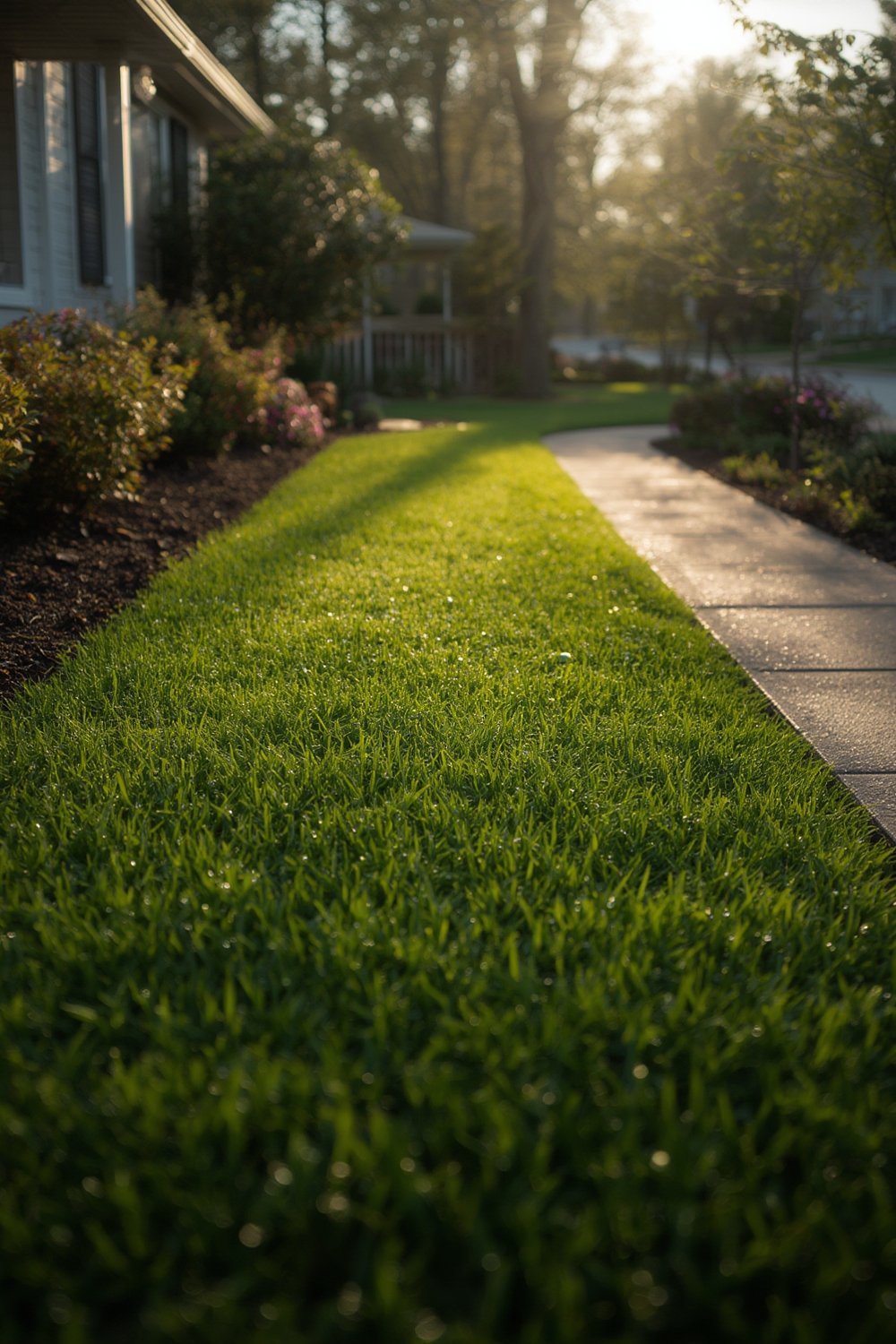
The difference between following a realistic lawn care schedule and guesswork isn’t subtle. According to Turf Masters, specific steps—timing fertilizer, controlling weeds, watering 1 inch per week—promote deeper roots and thicker turf. In fact, 47.32% of homeowners mow weekly in peak spring and summer, and 54% opt for DIY care (per LawnStarter), showing that scheduled, repeatable tasks align with healthy lawn habits.
Neglecting a scheduled approach often leads to patchy lawns, higher water bills, more weeds, and unnecessary frustration. Even the best lawn care tips fall short if you don’t put them on a calendar.
Step-by-Step Lawn Care Schedule for Every Season
Below is a realistic, actionable step-by-step lawn care schedule you can adapt to your region and grass type. Adjust for your climate, but use this as a proven framework to avoid rookie mistakes.
Spring (March-May): Wake Up & Repair
- Clear winter debris and pet waste. Over 68% of homeowners with pets report spring poop cleanup is a major annoyance (LawnStarter).
- Test soil pH if your grass looked stressed over winter. Apply lime to balance acidity if below 6.0.
- Apply a balanced fertilizer and pre-emergent weed control for cool-season grasses (like fescue).
- Start mowing once grass hits 3.5-4 inches. Never remove more than 1/3 blade height at once.
- Water deeply (1 inch per week) if rainfall is lacking, but avoid watering at night to help prevent fungus outbreaks.
Summer (June-August): Growth & Pest Control
- Raise mower height by 0.5 inch to protect from heat stress and prevent burning.
- Water early morning, never in the evening. Warm-season grasses (like Bermuda) respond best with a single deep soak weekly.
- Spot-treat weeds and apply a light nitrogen boost if the turf yellows.
- Monitor for brown patches, dollar spot, or grub activity. Address fungus early by increasing sunlight/airflow and adjusting watering patterns.
- Sharpen mower blades mid-summer for a clean cut. See how to sharpen lawn mower blade guide for step-by-step tips.
Fall (September-November): Strengthen & Seed
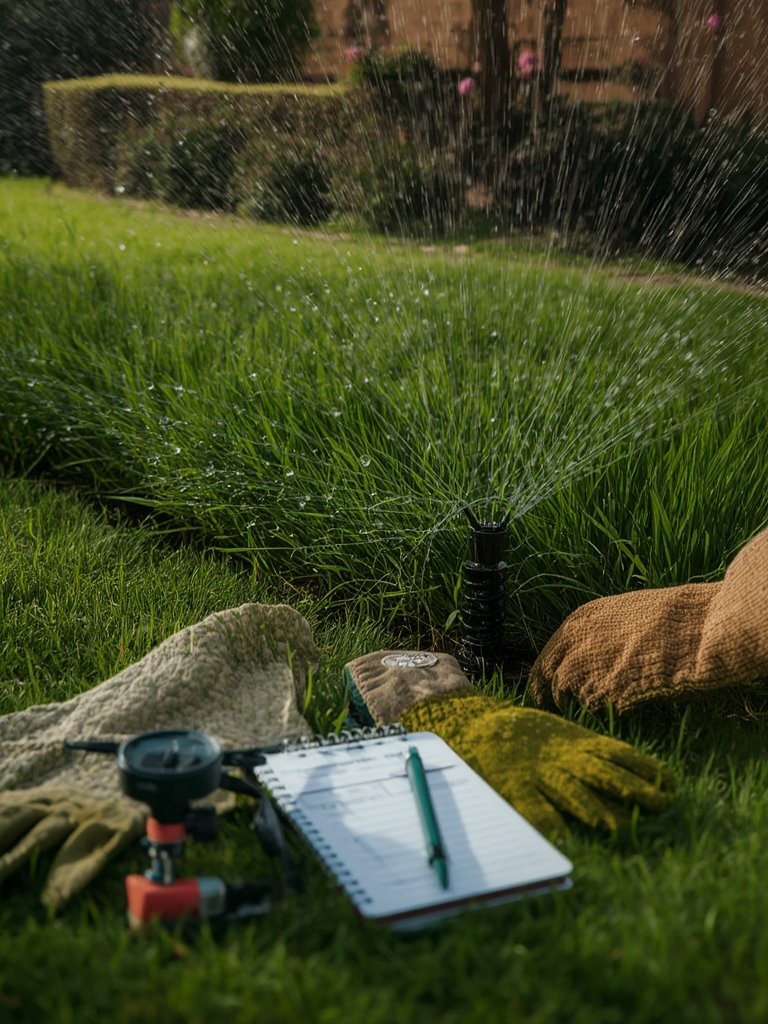
- Aerate your lawn. Core aeration relieves compaction, especially for high-traffic areas. Lawn aeration service can be a smart investment.
- Overseed thin areas, particularly for cool-season lawns. Seed after aeration for best contact.
- Apply high-potassium fertilizer (“winterizer”) to boost winter hardiness.
- Mow until grass stops growing, never below 2.5 inches for cool-season types.
- Clear leaves weekly to avoid smothering turf.
Winter (December-February): Maintenance & Prep
- Limit foot and pet traffic on dormant grass to avoid compaction and winterkill.
- Test soil and plan spring amendments. Order supplies in advance to avoid spring shortages.
- Sharpen mower blades and service equipment. See home improvement tools for recommended gear.
- Review your results and adjust next year’s lawn care schedule based on what worked (and what didn’t).
Tip: If your region struggles for water—like the arid West—consider converting some turf to a zoned garden or even xeriscaping to reduce cost and save water.
Advanced Analysis & Common Pitfalls
Even dedicated homeowners trip up with their lawn care schedule. The most frequent complaints and mistakes (in 2024) include:
- Underestimating time: The average homeowner spends up to 70 hours annually (source: LawnStarter). DIYers often fall behind on weed or pest treatment when life gets busy.
- Overwatering or watering at night: Leads to fungus outbreaks such as brown patch and dollar spot (especially in fescue lawns).
- Mowing too short: Causes shallow roots and invites weeds. Industry standard for fescue is 3.5–4 inches. Warm-season types, like Bermuda, prefer ~2 inches during peak growth.
- Not adjusting care to grass type or climate: A major pitfall. Western xeriscaping is trending due to drought, while the Southeast’s long seasons demand frequent care and pest vigilance (GlobeNewswire Consumer Insights).
- Skipping core tasks: Aeration and proper fertilization are often neglected, but transform lawn health when timed correctly. Learn more about professional fertilization services if you want to guarantee results.
Comparison Table: Scheduled Care vs. Ad-Hoc Maintenance
| Aspect | Scheduled Lawn Care | Ad-Hoc (Random) Care |
|---|---|---|
| Lawn Health | Consistent, resilient, fewer weeds and stress | Patchy, more prone to disease or drought damage |
| Water Use | Optimized, less waste | Often wasted on stress periods or lost to runoff |
| Time Commitment | Predictable, easier to batch chores | Stressful, lots of “catch up” or emergency fixes |
| Cost Over a Year | Lower in the long run (prevents repairs & overuse) | Higher due to mistakes or repairs |
If you’re not sure where to start, or want a done-for-you approach, consult a lawn treatment service in your area for expert assessment and tailored plans. Don’t overlook the importance of weed prevention, especially during spring and early summer.
What Does Professional-Grade Scheduling Cost?
Average homeowner spend for lawn and garden care sits at $616 per year (per LawnStarter 2024). This does NOT include major overhauls or landscaping. If you add up pro fertilization (see pricing here), watering, mowing, aeration, and pest control, expect to budget $800–$2,500 per year for a mid-sized US lawn, depending on your region and care level.
Want to maximize value on all home improvement tasks? Check trending solutions in home improvement trends to see which upgrades best boost resale value.
Conclusion
A realistic, region-specific lawn care schedule is one of the best investments you can make for your property. It reduces headaches, limits costly errors, and turns your yard into a source of pride—not a source of stress. Don’t just react to weeds or brown spots; get ahead by scheduling routine tasks and adapting to your climate and grass type. Ready to take your yard to the next level? Start your seasonal checklist today.
For more in-depth techniques and insider tips, see our full lawn care tips seasonal schedule or consult a professional for tailored local plans.
FAQ
What’s the most common mistake with a lawn care schedule?
The biggest issue is inconsistent mowing and watering. Skipping these basics opens the door to weeds and fungus, especially if you don’t adjust for your region or grass type.
Can I follow the same lawn care schedule every year?
You should adjust your schedule for local climate, new pests, and grass variety. For example, severe drought years require less fertilization and more water conservation.
How often should I aerate my lawn?
Most cool-season lawns benefit from annual fall aeration. Heavy clay soils or high-traffic areas may need spring and fall aeration for optimal results.
What’s the average cost if I hire all lawn care services?
A complete professional package (fertilization, mowing, aeration, pest management) typically costs $800–$2,500 per year for a mid-sized lawn, but varies by location and lawn size.
Will using a lawn leveling rake or smart mower really help?
Yes—leveling rakes smooth out bumps to improve root contact and mowing. Autonomous mowers reduce routine labor by up to 30% and maintain a more consistent cut.