

### Blog Post:
Eco-friendly lawn care is transforming how homeowners and professionals nurture healthy, green landscapes—without harming the environment or your loved ones. Whether you want safer alternatives, lower your carbon footprint, or meet local regulations, understanding the basics and pitfalls can help you make smart, sustainable choices in 2024.
Key Takeaways
- Eco-friendly lawn care is growing fast in North America and Europe thanks to consumer demand and stricter regulations.
- Switching to natural lawn treatments delivers real environmental and health benefits, but may require patience and a willingness to adapt.
- Choosing the right approach means understanding common pitfalls, cost implications, and which methods actually make a lasting impact.
- The Core Concept: What Is Eco-Friendly Lawn Care and Why Switch?
- Step-by-Step Guide: How to Start Eco-Friendly Lawn Care at Home
- Advanced Analysis & Common Pitfalls
- Conclusion
- Frequently Asked Questions
The Core Concept: What Is Eco-Friendly Lawn Care and Why Switch?
Eco-friendly lawn care means managing your yard with methods that reduce harm to people, pets, pollinators, and the planet. Instead of synthetic herbicides and quick-fix fertilizers, these systems use natural or organic products, smarter mowing techniques, integrated pest management, native plant choices, and water-wise practices.
In 2024, North America controls 42% of the global landscaping services market, largely by embracing eco-friendly lawn solutions and cutting-edge technologies. Europe is not far behind, with tough rules and a booming demand for sustainable landscaping and organic lawn products among households in Germany, the UK, and beyond. Europe’s lawn care market alone could top $17.5 billion by 2030, driven by these green shifts.
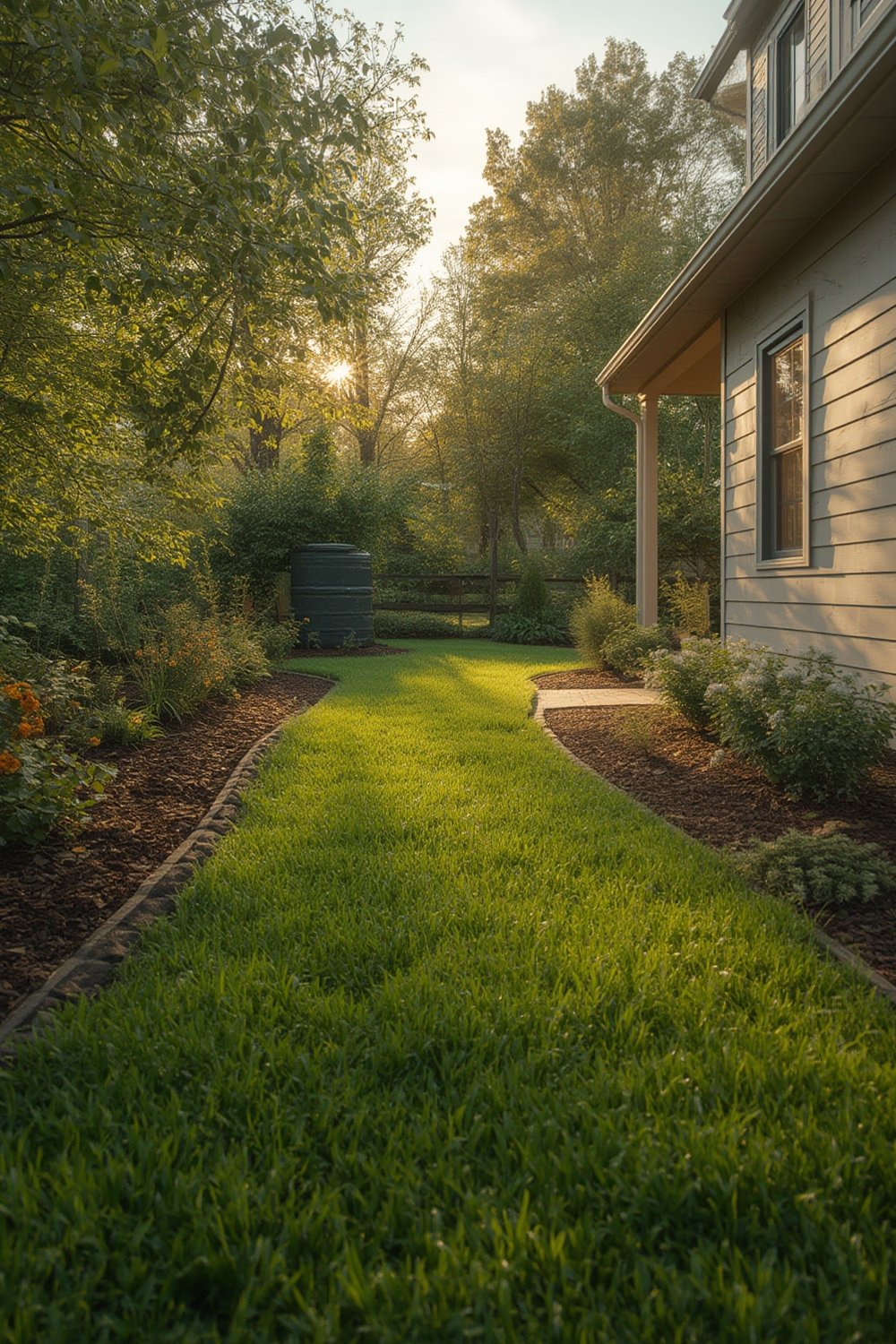
People are switching to eco-friendly lawn care to lower chemical exposure for children and pets, protect soil health, save water, and play their part in fighting climate change. The shift is also fueled by new government incentives and stricter limits on fossil fuel lawn equipment across many regions, especially in urban and suburban neighborhoods.
Want to go deeper on organic lawn care tips for soil health? Check out our proven strategies to make the transition smoother.
Step-by-Step Guide: How to Start Eco-Friendly Lawn Care at Home
- Test Your Soil First. Don’t guess—most lawns suffer from over-fertilizing or poor soil. A simple soil test identifies nutrients, pH, and organic matter, setting the tone for every step.
- Mow High, Mow Smart. Raise your mower deck: taller grass shades out weeds, builds deeper roots, and needs less water. Upgrade to sharpened mower blades and consider a battery-powered or electric mower to reduce emissions.
- Go Organic on Fertilizer and Weed Control. Swap synthetic fertilizers for products made of compost, seaweed, or bio-based blends. Apply slow-release nutrients in spring and fall.
- Water Wisely. Water less often but deeper—ideally early morning—to promote resilience and root growth. Look into smart irrigation systems to cut waste.
- Choose Native Plants. Reduce maintenance and input needs by mixing in regionally adapted grasses and groundcovers. Native species resist drought, disease, and local pests better than exotics.
- Avoid Broad-Spectrum Chemicals. Use targeted organic treatments, like corn gluten meal as a pre-emergent weed control, and hand-pull persistent weeds. Accept some imperfections—the goal is balance, not sterile perfection.
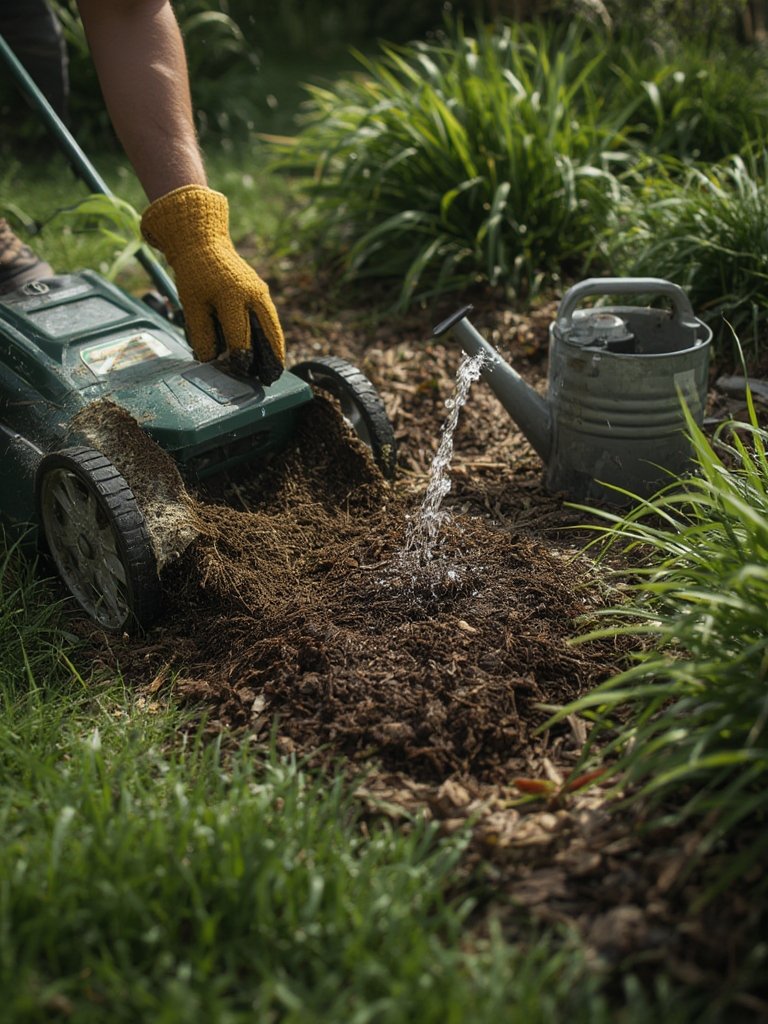
Looking to fine-tune your technique? You might try overseeding with modern, disease-resistant grass blends for longer-term results. Or, explore hiring a professional lawn care service that specializes in eco-friendly routines if you want less hands-on work.
If you’re handy, see our breakdown of must-have home improvement tools for yardwork and home projects.
Advanced Analysis & Common Pitfalls
What Most People Get Wrong
- Expecting Instant Results: Going organic or chemical-free is a process. Lawns may look worse before they improve.
- Improper Product Use: Many assume all natural products are safe in any quantity. Overapplication of organics can still burn lawns or upset soil microbes.
- Poor Weed and Pest Control: Organic weed controls exist, but may not work as rapidly—or thoroughly—as synthetics. Most require precise timing or manual backup.
- Overwatering or Underwatering: Eco-friendly lawns still need deep, infrequent watering. Letting grass wilt or giving it too much won’t save you water and will harm grass resilience.
- Neglecting Local Regulations: Miss new rules on low-emission tools or watering schedules, and you could face fines—or limit what services/products you can buy locally.
Cost Comparison: Eco-Friendly vs. Traditional Lawn Care
| Method | Initial Investment | Annual Cost | Long-Term Expenses | Notes |
|---|---|---|---|---|
| Conventional (Synthetic) | Low-medium: Basic spreader, synthetic products | $250–$600/yr | Medium—ongoing chemical costs | Quicker results, but requires recurring applications; runoff concerns |
| Eco-Friendly (Organic) | Medium-high: Soil test, spreader, compost, native seed | $300–$750/yr * | Potentially lower over time due to resilience, fewer treatments | More up-front work, longer results cycle, but safer and often lower input after year 2 |
* No precise 2024 figures exist; costs vary by yard size, product choice, and whether work is DIY or professional.
Real-World Limitations & Regulatory Changes
Most customers rarely document issues beyond some frustration with slower results and dealing with stubborn weeds. Europe’s shift to low-maintenance alternatives (like artificial turf) reflects genuine dissatisfaction for those with little time to commit. In North America, regulations have forced more battery-powered and low-toxicity product availability, fueling innovation but sometimes limiting the product range for certain pests or problems. For example, Indiana opened a $50 million organic fertilizer plant in 2024, showing the demand for new green supplies [source].
Curious how these methods hold up in tough spots or after weed killer mistakes? See our solution guide for lawn recovery after weed killer damage and more practical insights.
Conclusion
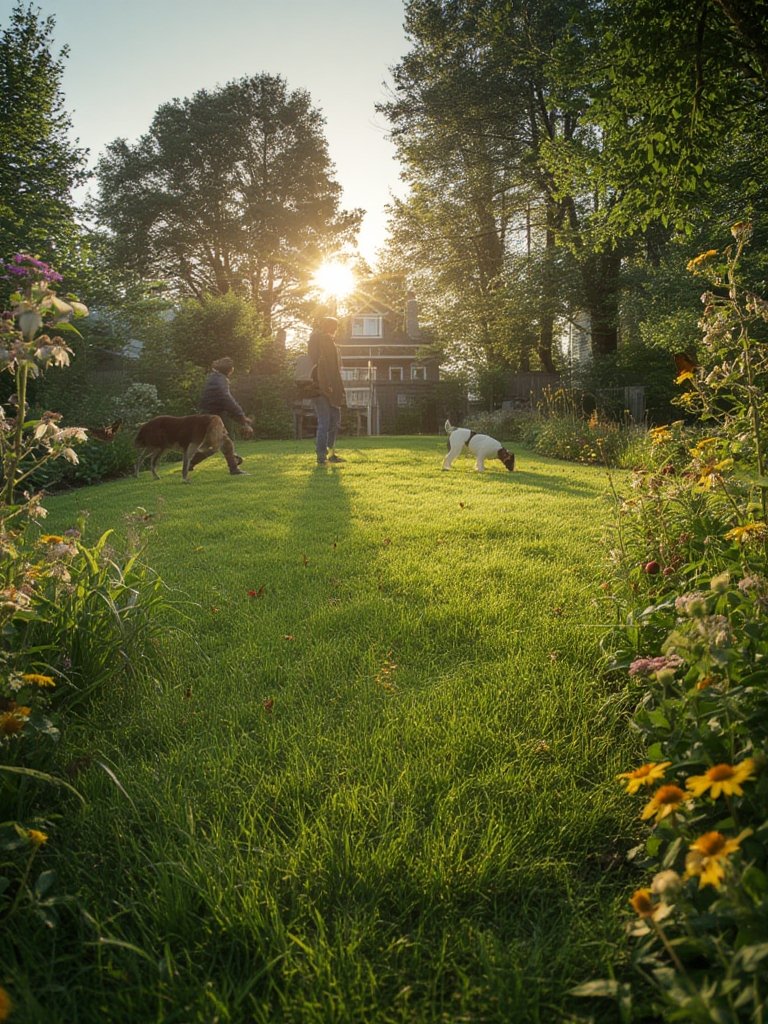
Eco-friendly lawn care is no longer a fad or luxury—it’s the new normal for responsible homeowners in 2024. By focusing on soil health, smart water use, organic products, and ongoing adjustments, you invest in safer, longer-lasting results for your family and the environment. Ready to start your eco-friendly lawn care journey? Test your soil, mow higher, go natural on treatments, and adapt a step at a time. For deeper strategies or help with stubborn spots, explore our in-depth lawn care tips and recommended lawn fertilization services. The greener path is here—begin today.
Frequently Asked Questions
Does eco-friendly lawn care really work as well as conventional methods?
Natural lawn care works when you give it time. You may not see overnight changes, but after a full growing season or two—and with routine soil care—most lawns get thicker, greener, and more resilient. Some weeds may persist, and you’ll need to tolerate minor imperfections, but safety and soil health improve.
Are organic weed control methods as effective as chemicals?
Organic weed controls like corn gluten meal help but may not eliminate every weed. Manual removal and smart mowing are often part of the plan. These natural methods are safest for kids and pets but may require more patience or physical effort than conventional herbicides.
What regulatory changes affect eco-friendly lawn care in 2024?
2024 brings new rules in many areas, especially across North America and Europe, phasing out gas-powered tools and restricting chemical fertilizers and pesticides. Many services now use electric equipment and only apply certified organic products to meet these laws.
Can I combine eco-friendly lawn care with low-maintenance landscaping?
Absolutely. Many homeowners blend native plantings, drought-tolerant grass, or mulched beds with eco-friendly care for ultra-low maintenance. In some regions, artificial turf is popular, but natural methods provide better habitat and fewer microplastic concerns.
How do costs really compare long-term between organic and conventional lawn care?
Costs vary—expect to spend a little more upfront on organic soils and tools, but after a year or two, your need for watering, feeding, and treatment often drops. Efficient native lawns and healthy soil can save money compared to repeated chemical applications.