

### Blog Post:
Lawn weed prevention is the foundation of keeping your yard lush and healthy in 2024. Homeowners across the U.S. face an ongoing battle with crabgrass, dandelions, and other persistent weeds—so understanding which modern tactics work (and which fall short) matters now more than ever.
Key Takeaways
- Combining pre-emergent and post-emergent treatments yields the highest lawn weed prevention success rates, while relying on one alone risks failure and wasted cash.
- There are no clear guarantees or universal application calendars by region—timing and product choice are crucial to avoid disappointing results.
- DIY and professional weed control both require realistic expectations; even the best methods need repeat effort, attention to cost, and understanding of common pitfalls.
- The Core Concept: What Is Lawn Weed Prevention & Why Does It Matter?
- Step-by-Step Guide: Proven Actions to Prevent Lawn Weeds in 2024
- Advanced Analysis & Common Pitfalls in Lawn Weed Prevention
- Conclusion: Realistic Wins and What to Do Next
- FAQ: Lawn Weed Prevention Answers You Actually Need
The Core Concept: What Is Lawn Weed Prevention & Why Does It Matter?
Lawn weed prevention means using strategies to keep unwanted plants out of your yard before they have a chance to take over. Most homeowners struggle against crabgrass, dandelions, and other invaders that steal water, nutrients, and sunlight from desirable grass. Successful weed prevention doesn’t just improve curb appeal—it also keeps your lawn healthier and reduces time spent on endless weed-pulling or costly re-seeding.

The most effective strategies combine pre-emergent (stop weeds before they sprout) and post-emergent (kill weeds after they appear) products. Recent research shows that in agriculture, a single application of pre-emergents may only provide 30-60% control, while a follow-up post-emergent bumps that up above 90%. Lawn care experts have adapted this “multi-pass” method for home use, giving you realistic odds of a weed-free yard.
Still, data from 2024 suggests there’s no magic fix—and surprisingly little research focuses only on residential lawns. That lack of transparency means homeowners should set realistic goals, account for regional differences, and pay close attention to timing. It’s also why so many homeowners search for trusted strategies and services year after year.
Step-by-Step Guide: Proven Actions to Prevent Lawn Weeds in 2024
Ready to take a practical approach? Follow this straightforward plan to maximize your lawn weed prevention efforts and minimize cost and frustration.
- Test and Prep Your Soil: Healthy grass is your best weed defense. Check soil pH and fertility in early spring. If you need a deeper dive on fertilization timing, check our expert lawn fertilization guide.
- Apply Pre-Emergent Herbicide: Use a selective pre-emergent (like dithiopyr or indaziflam) for target weeds. Aim for early spring, before soil temps hit 55°F for crabgrass. Water in as directed.
- Spot Treat With Post-Emergent Herbicide: Watch for breakthrough weeds after your first mowing. Spot-treat with a selective post-emergent product. Avoid blanket-spraying unless infestation is severe.
- Mow High and Consistently: Keep grass cut to the recommended height for your species—usually 2.5-3.5 inches. Taller grass shades soil and crowds out weed seedlings. For mowing tips, explore our lawn mowing guide.
- Water Deeply and Infrequently: Watering 1″ per week (including rainfall) helps grass roots grow deep, which outcompetes weeds. Avoid shallow watering.
- Overseed Bare Spots: Weed seeds thrive in thin or bare patches. Reseed problem areas in early fall or spring. To maximize success, consider the tips in our lawn leveling rake how-to.
- Consider Professional Service: If weeds constantly come back, a local weed control service can create a custom plan for your lawn and soil type.
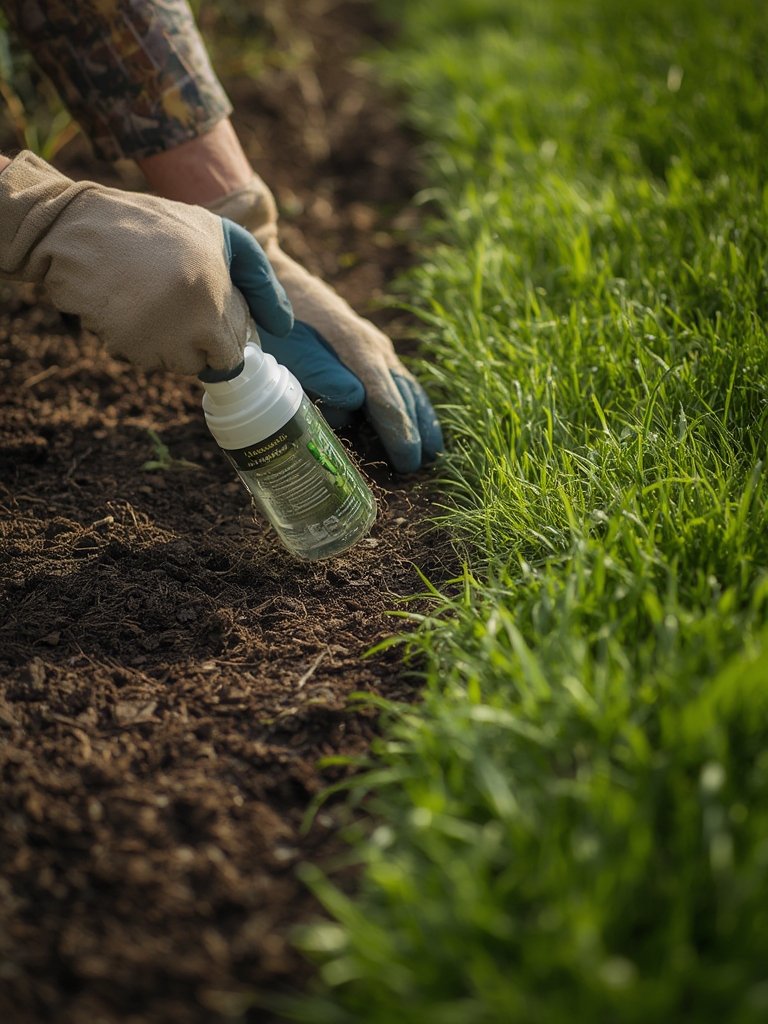
It’s normal for even the best plans to allow 10-15% breakthrough—especially after a wet spring or if neighbors don’t control their weeds. Stay vigilant, use step-by-step methods, and don’t expect 100% perfection in the first season.
Advanced Analysis & Common Pitfalls in Lawn Weed Prevention
Most online guides skip the ugly truth: lawn weed prevention in 2024 is not a guaranteed science, and the latest research leaves several questions unanswered for homeowners. Here are the big pitfalls and the facts you should know before spending more time or money.
| Lawn Weed Prevention Tactic | Major Pitfalls or Limitations | How to Solve or Reduce Risk |
|---|---|---|
| Single Pre-Emergent Application | Real-world effectiveness is low (30-60%) for tough weeds; timing is critical—too early, it fades; too late, weeds already sprout. | Plan a follow-up post-emergent pass for breakout areas; use a soil thermometer, not just calendar dates. |
| One-size-fits-all Chemical Programs | No single product controls all weeds; resistance and weather impact results. Overuse risks harming grass or the environment. | Custom-tailor chemical choice to local weed problems. Rotate active ingredients seasonally. Consider an organic lawn care approach for added safety. |
| Skipping Maintenance | Fertilizer, mowing, and overseeding often overlooked; leads to bare spots and endless re-infestation. | Follow a year-round lawn care schedule—see our full 2024 lawn care guide for actionable steps. |
| Relying on Service Guarantees | Few weed control services publish real-world success rates or guarantees. You may still see weeds between visits. | Ask for proof of performance and what happens if weeds return. Stay realistic; a 100% weed-free lawn is rare. |
| Ignoring New Regulations | No major regulatory changes in 2024, but some states limit herbicide use near water or during certain seasons. Buyers remain responsible for local compliance. | Check local government or extension office guidance before applying any new product. Read more at this research report. |
| Unrealistic Budgeting | No standardized cost across regions; add-on services and repeat applications can surprise first-time buyers. | Request transparent, itemized quotes from professionals and compare to a DIY plan. Use the lawn treatment service guide for more info. |
Weed species vary by region, as do climate and local restrictions. You may need to experiment with timing or blend different strategies before you hit consistent success. There are also few, if any, published studies reporting homeowner experiences, complaints, or 2024 cost averages—so factor in your time, patience, and tolerance for imperfection as part of your lawn weed prevention journey.

Conclusion: Realistic Wins and What to Do Next
No one achieves perfect lawn weed prevention from one product or one season. Combining pre-emergent and post-emergent treatments, maintaining lawn health, and keeping expectations in check will result in visible improvement if you stick to the strategies above.
Want to bring your results up a notch? Study regional recommendations, request transparent quotes from pros, and revisit our complete weed control guide before the next growing season. Take action, stay consistent, and give yourself permission to settle for progress—not perfection.
FAQ: Lawn Weed Prevention Answers You Actually Need
What’s the difference between pre-emergent and post-emergent weed control?
Pre-emergents stop weed seeds from sprouting, while post-emergents kill weeds you can already see. For the best results, use both—especially against tough weeds like crabgrass and dandelions.
When should I apply pre-emergent for crabgrass in my region?
The best timing is just before soil temps reach 55°F—usually early to mid spring. There’s no universal calendar date, so use a soil thermometer or consult your local extension office for targeted advice.
Do professional weed control services offer a guarantee?
Few services provide a 100% weed-free guarantee, and most don’t publish reduction percentages. Make sure you understand the fine print and what happens if weeds return between visits.
Are there new regulations about weed killers for lawns in 2024?
There are no major changes for homeowners this year, but some states limit chemical timing or methods. Check state and local rules before buying or applying any product. For deep research, visit this current research report.
Can I prevent weeds without chemicals?
Yes, by improving soil, mowing higher, watering properly, and using dense grass cover, many homeowners see fewer weeds. Natural products like corn gluten meal can help, but results may be less predictable than synthetic options.