

### Blog Post:
Lawn treatment service is the fastest way to turn patchy grass and tired soil into a thriving, resilient lawn that stays green all season—without wasting money or risking DIY disasters.
Key Takeaways
- Professional lawn treatment services provide reliable, science-backed results that are difficult to achieve with DIY fertilization or off-the-shelf products.
- Soil analysis, custom plans, and advanced equipment are standard with pro services—offering lasting benefits for your lawn’s health.
- Price, uneven results, and slow support are the top complaints; knowing what to ask and what’s included prevents frustration.
- What Is a Lawn Treatment Service & Why It Matters
- Step-by-Step Guide: How Professional Lawn Treatment Works
- Advanced Analysis & Common Pitfalls
- Conclusion
- FAQ
What Is a Lawn Treatment Service & Why It Matters
A lawn treatment service delivers expert care for your yard using custom nutrient plans, advanced products, and ongoing adjustments that most DIY methods can’t match. Instead of just spreading a generic fertilizer, pros analyze your soil’s unique needs, target timing for your grass type and climate, and use slow-release nutrients and precise applications to prevent common problems like patchiness, yellowing, or fertilizer burn.

Homeowners choose lawn treatment services for three main reasons:
- Consistent, guaranteed results. Pro-grade fertilizers, soil amendments, and expert timing help lawns resist weather stress, weeds, and pests.
- Time and stress savings. No more guesswork, physical labor, or trips to buy supplies. Your lawn thrives while you relax.
- Long-term soil health. Pros use strategies like organic matter addition and precise pH correction that build future resilience rather than chasing short-term green-ups.
For in-depth tips on maximizing property value through great curb appeal, see our guide to Home Improvement Trends, or read how Lawn Care shapes first impressions.
Step-by-Step Guide: How Professional Lawn Treatment Works
Here’s what actually happens when you hire a professional lawn treatment service. Understanding these steps helps you vet companies and ensures you get the best value.
- Professional On-Site Lawn Assessment
- The technician visits your yard to identify bare spots, weeds, grass type, and hidden issues (like pest activity).
- Key measurements are taken for square footage to calculate exact product needs.
- Comprehensive Soil Testing
- Sampled soil is tested for pH, organic matter, and specific nutrient deficits.
- This step prevents under- or over-fertilization, which is common with DIY.
- Customized Lawn Treatment Plan
- Based on your soil, grass, and climate, a tailored plan is developed. Plans differ for sandy, clay, or loam soils to counteract issues like nutrient leaching or compaction.
- Additives for pH correction or soil conditioning are included as needed.
- Precision Application of Fertilizer and Amendments
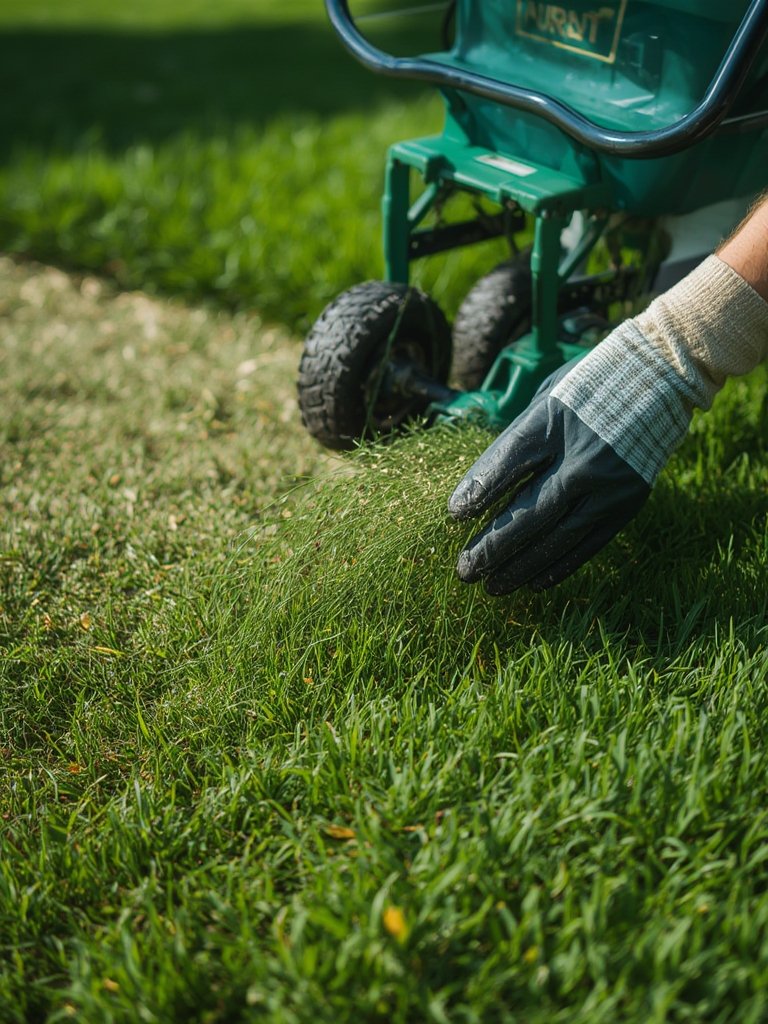
- Slow-release, professional-grade fertilizers are distributed using calibrated sprayers or granular spreaders.
- Proprietary formulas (often with encapsulated nutrients) offer months-long feed without burning or runoff risk.
- Advanced services offer eco-friendly or organic options, unlike typical retail brands.
- Scheduled Visits and Ongoing Monitoring
- Regular technician visits align with the growth cycle and any local climate stresses.
- Modern providers may use soil moisture sensors or remote monitoring to catch problems early and adjust as needed.
- Communication and Support
- Homeowners receive updates, action tips, and seasonal recommendations.
- Issues like spotty areas or pests are addressed with targeted treatments—no generic fixes!
Want to attempt some improvements yourself? Check out Fertilize the Lawn or get expert picks on the best home improvement tools for DIY projects. Remember, even experienced DIYers often miss out on long-term soil benefits only available from pro-grade services.
If you’re interested in eco-friendly, pet-safe options, see our guide to Organic Lawn Care.
Advanced Analysis & Common Pitfalls
Choosing a lawn treatment service isn’t always smooth. Here’s what homeowners—especially first-timers—should watch for based on current research and industry experience.
- Over-promising “Instant” Results: Sustainable improvement takes time, especially with soil health. Avoid any service promising instant perfection—true transformation is gradual and depends on several tailored interventions.
- Generic, One-Size-Fits-All Plans: Reliable services perform a real soil and site assessment. Companies that skip this step or don’t adjust for sand vs. clay are more likely to leave you with patchy outcomes.
- DIY vs. Professional: The Reliability Gap. Homeowners using retail products or generic plans often struggle with uneven color, fertilizer burn, or recurring weeds compared to pro-applied, custom treatments.
- Sources confirm professional services succeed by testing soil, selecting optimal nutrients, and adjusting schedules for each region. See research.
- Pros use specialized equipment and advanced products unavailable at retail. Details here.
- Price Complaints & Miscommunication: One of the most frequent frustrations is paying premium rates but receiving lackluster support, vague explanations, or confusing billing (according to survey reviews). Always clarify what’s included and how support works.
- Slow Response to Issues: Delays addressing new weed or pest outbreaks lead to lasting damage between visits. Look for services offering regular check-ins and responsive communication.
| Issue | DIY Approach | Professional Service |
|---|---|---|
| Soil & pH Testing | Rarely performed | Standard, always done |
| Customization | One-size-fits-all | Plan built for your soil & lawn |
| Product Quality | Retail, fast-release | Slow-release, pro-grade |
| Timing | Fixed seasonal routine | Aligned to grass growth, climate, and recent weather |
| Pest/Weed Response | Generic store solution | Targeted, fast support |
Environmental Considerations: Modern pro services prioritize eco-friendly techniques like precision spot application and organic options to minimize runoff and pollution. Some regions are adopting new guidelines on fertilizer types, but even where regulation is minimal, best-in-class pros use slow-release nutrients and custom plans for sandy or sensitive soils (read more).

Advanced services offer tools for real-time monitoring, including drone mapping and soil sensors, that pick up invisible problems before they grow. This attention to detail is rarely found in top competitor articles but makes a real difference in outcomes.
For a breakdown of lawn care pricing, how to avoid hidden costs, and what to do if your yard needs a complete fix, see Lawn Care Services and step-by-step advice on restoring your lawn after weed killer damage.
Conclusion
Professional lawn treatment service isn’t just about greener grass—it’s a system for healthy soil, custom nutrients, and peace of mind. By focusing on personalized plans, real monitoring, and advanced products, you set your yard up for long-term resilience. Remember: quick DIY fixes may offer temporary color, but only true pros unlock consistent results year after year. Choose a trusted provider, ask the right questions, and watch your landscape transformation begin!
Ready to experience the benefits of a professional lawn treatment service? Get a personalized soil analysis and see the difference expert care makes—your curb appeal will thank you.
FAQ
What does a professional lawn treatment service include?
It usually starts with soil testing, then a custom feeding and weed control plan matched to your yard’s needs. Ongoing visits, spot treatments for pests or weeds, and progress reports are included in most plans.
Is it worth paying for lawn treatment versus DIY?
For consistent, reliable results and healthier turf, yes. Pros offer soil-based customization, high-grade products, and real-time adjustments that are difficult to achieve with standard DIY methods.
How often should my lawn be treated?
Most lawns benefit from five to seven treatments per season, spaced to match grass growth and local weather. Frequency may be higher in sandy soils or high-stress climates.
What questions should I ask before choosing a lawn treatment service?
Request proof of soil testing, a detailed treatment schedule, clear pricing, and if they offer eco-friendly or pet-safe options. Ask how they adjust for local climate and how quickly they respond to new problems.
Are there eco-friendly lawn treatment options?
Yes. Many providers now offer organic fertilizers, low-runoff products, and precision application to protect local waterways and pets.
—