

Lawn mowing is more than a weekly chore—it’s essential for yard health and home value. As the demand for professional lawn mowing booms and eco-friendly solutions take root, homeowners face new questions about pricing, technology, and lasting results.
Key Takeaways
- The U.S. lawn mowing market is expanding due to strong demand, technology advances, and regional trends.
- Average costs and pricing vary by region, service scope, and frequency—expect about $300/month for general care.
- Eco-friendly practices, robotic mowers, and mobile scheduling apps are changing how services are delivered.
- What Is Lawn Mowing and Why Does It Matter?
- A Realistic Step-by-Step Lawn Mowing Guide
- Advanced Analysis & Common Pitfalls in Lawn Mowing
- Conclusion
- Frequently Asked Questions
What Is Lawn Mowing and Why Does It Matter?
Lawn mowing removes the upper part of grass to maintain yard height, appearance, and health. It’s the backbone of almost every landscaping service, accounting for over 90% of U.S. lawn care market activity in 2025 (Mordor Intelligence).
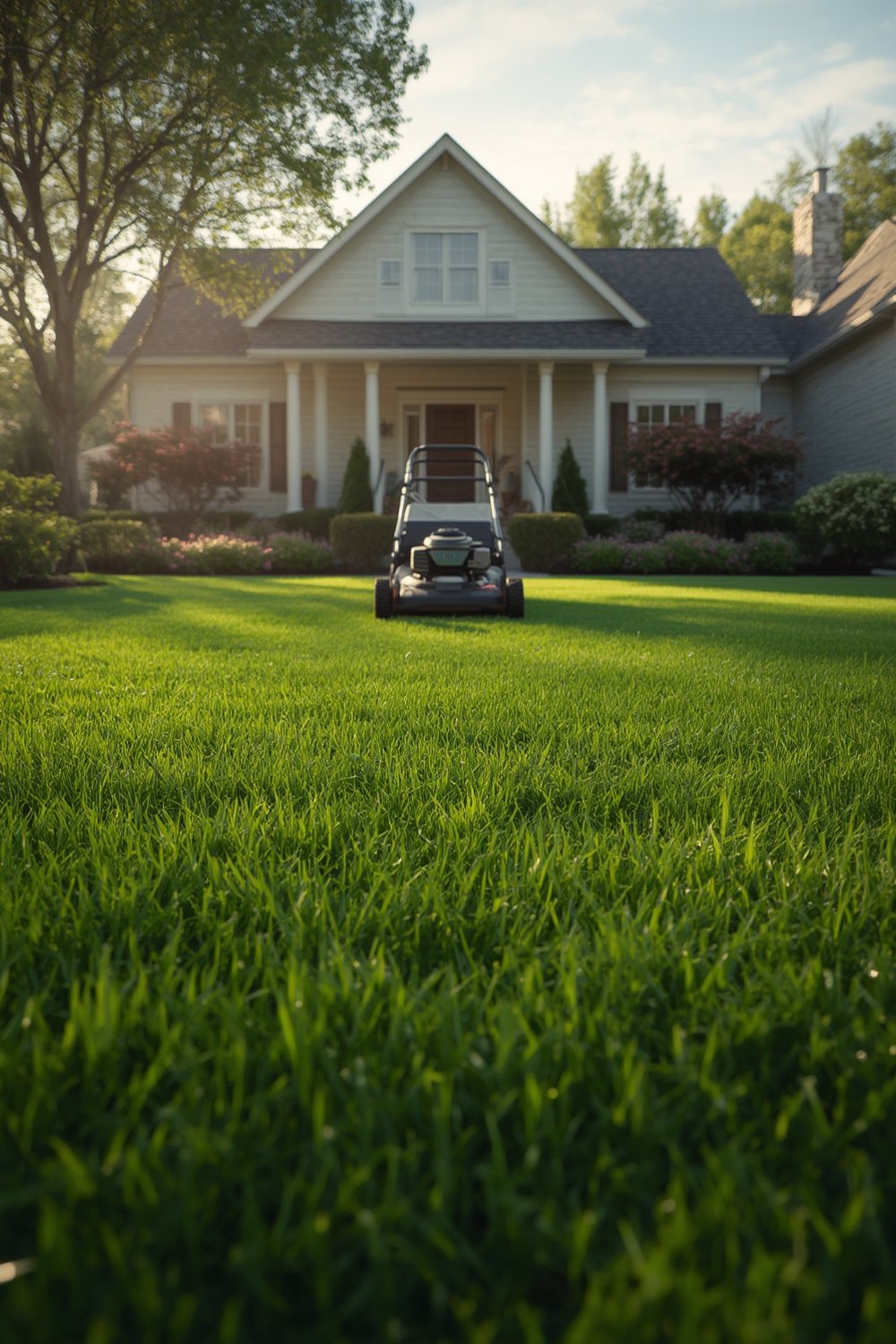
Regular mowing ensures grass stays dense, reduces pests, and improves curb appeal. With the U.S. landscaping industry surpassing $188 billion in 2025 (IBISWorld), homeowners and facility managers are investing more to protect property value and save time.
Modern mowing now involves everything from robotic mowers for busy professionals to specialized teams applying eco-friendly and water-saving methods in dry regions. In hot real estate markets like Boston and New York, premium lawn mowing is integral to home value (Mordor Intelligence). In the Southwest, expertise in drought-resistant grass and compliance with local water mandates is essential for both aesthetics and regulation compliance.
Bottom line: Lawn mowing is a critical service that supports landscaping business growth, community employment, and the visual standard of neighborhoods nationwide.
A Realistic Step-by-Step Lawn Mowing Guide
For homeowners and property managers wanting a healthy, professional-looking lawn (with or without a pro team), follow these actionable steps:
- Set the correct mower height. For most cool-season grasses, keep the blade 2.5–3.5 inches high. For warm-season Bermuda and Zoysia, go slightly lower (1.5–2.5 inches).
- Inspect your lawn. Remove branches, stones, and toys before starting. Look for wet spots or uneven patches that may clog or damage the mower.
- Mow in a different pattern each time. Vary your route each week—from straight rows to diagonals. This avoids soil compaction and encourages upright grass growth.
- Avoid scalping. Never trim off more than one-third of the grass height in one mow. Cutting too low stresses roots and invites weeds.
- Use mulching mowers regularly if conditions allow. Mulching mowers recut the clippings, returning nutrients and moisture to your soil while reducing landfill waste.
- Edge and trim for a crisp, pro look. Tidy edges with string trimmers to keep walkways, driveways, and beds sharp and neat. For proven results, master the basics of lawn leveling before starting new lawns.
- Clean the mower after each use. Remove built-up grass beneath the deck, check blades for damage, and wipe down handles. Clean gear lasts longer and works safely.
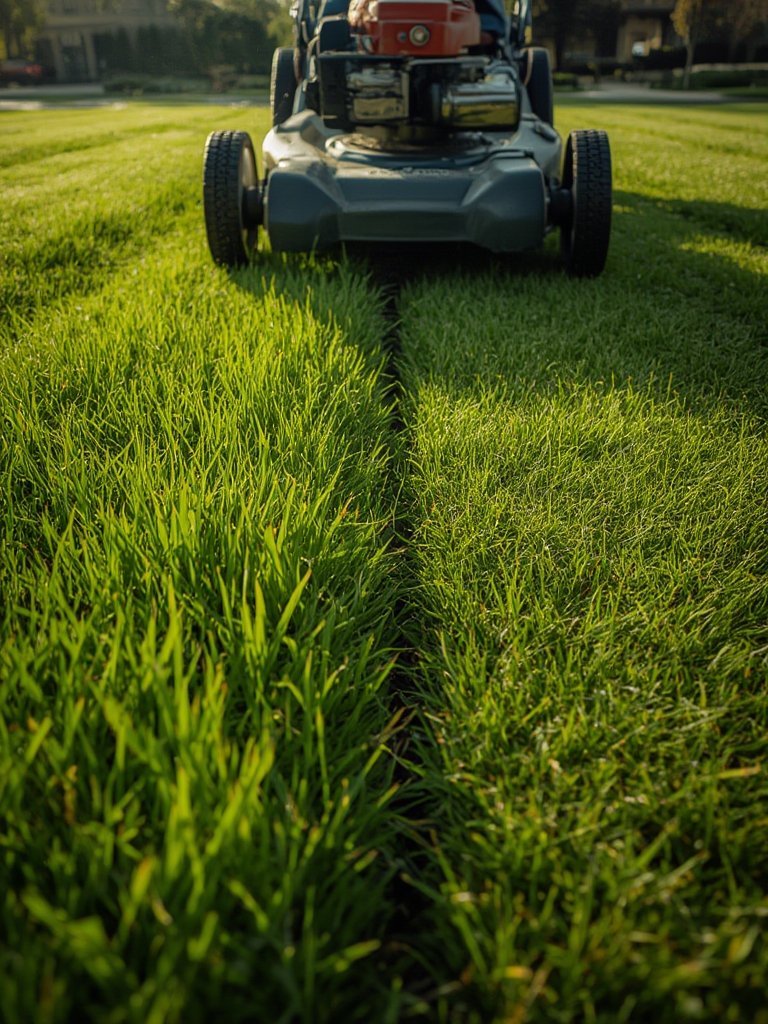
Consider autonomous or robotic mowers for convenience and consistency. These devices reduce manual labor by up to 30% and improve turf density over time (Mordor Intelligence). If you want hands-off service, look for companies offering digital scheduling and subscription bundles for mowing, fertilization and aeration. See the full range of lawn fertilization options for added results.
Don’t overlook the timing and frequency: In spring and summer, mow cool-season lawns weekly. In hot climates or drought, slow down to every two weeks and raise the cutting height to help grass survive heat stress.
Advanced Analysis & Common Pitfalls in Lawn Mowing
Even with the best tools or professional help, common mistakes can leave your lawn looking patchy—or worse, create lasting damage. Here’s what to watch out for and how the industry is shifting to address these risks:
| Pitfall | Impact | What To Do Instead |
|---|---|---|
| Cutting too short (scalping) | Damages roots, invites weeds, browns the grass | Follow “one-third rule”—never cut more than 1/3 height |
| Mowing with a dull blade | Tears grass, causes yellow/brown tips, disease risk | Sharpen blade every 4-6 mows or as needed |
| Ignoring mowing frequency | Creates uneven, overgrown lawn that stresses turf | Adjust mowing frequency each season and grass type |
| Not cleaning mower deck | Spreads disease, clogs, uneven cut | Wash and clean deck after every use |
| Neglecting regional factors | Wrong height or schedule for local climate and regulations | Research region or consult local pros for best practices |
Other pitfalls include underestimating cost factors. Homeowners in Boston or San Diego pay premium rates—$300/month is average, but custom features (like hardscape care or drought-tolerant design) boost pricing (GetJobber).
Labor shortages and rising wage requirements are pushing companies toward automation and digital services. While robotic mowers mean less manual effort and more consistent cutting, consider initial setup expenses and learning curves. For busy owners wanting to maximize curb appeal or resale value, read up on the latest home improvement trends that blend lawn care with landscaping upgrades.

Eco-friendly equipment is becoming necessary in regulated states like California, making old gas-powered tools obsolete in some municipalities. If you live in drought-prone areas, swapping grass for native plants or turf alternatives might be required—and can deliver serious water savings. Check with your provider if they offer these water-wise options, or explore guides on zoned garden layouts for easy maintenance.
Finally, some homeowners make the mistake of skipping preventive care—like aeration or fertilizing in shoulder seasons—which limits growth and resilience. Many companies now bundle these with mowing as a subscription to save you time and money.
Conclusion
Lawn mowing is fundamental for healthy, beautiful yards and rising property value. The market is rapidly changing, with on-demand booking, robotic tools, and green practices shaping how homeowners and businesses approach maintenance. Avoid typical pitfalls by using sharp blades, mowing at the right height, and adjusting for your climate or local prices. If you want to go further with your lawn mowing results, take control: invest in the right tools, hire a vetted service, or upgrade with eco-friendly options that fit your needs.
Ready for a pro-level lawn? Start with smart mowing—or schedule an estimate with a recommended provider to unlock hassle-free curb appeal today.
Frequently Asked Questions
How often should I mow my lawn?
For most lawns, mow once a week during peak growing season and reduce to every 10-14 days during heat or drought. Adjust based on grass type and region for best results.
What does a professional lawn mowing service include?
Standard service covers mowing, edging, cleanup, and may offer add-ons like fertilization, aeration, or seasonal planting.
How much should I expect to pay for lawn mowing?
The average homeowner spends about $300/month, but prices vary by location, lawn size, and service frequency.
Are eco-friendly lawn mowing services more expensive?
Not always. Some green services have higher upfront costs but can save on water, fuel, and chemical use over time. Rebates may be available in some regions.
How do robotic mowers work, and are they worth it?
Robotic mowers run on batteries, follow boundaries you set, and mow automatically. They reduce labor but need up-front installation. They’re a great fit for those wanting convenience and tech-forward solutions.