

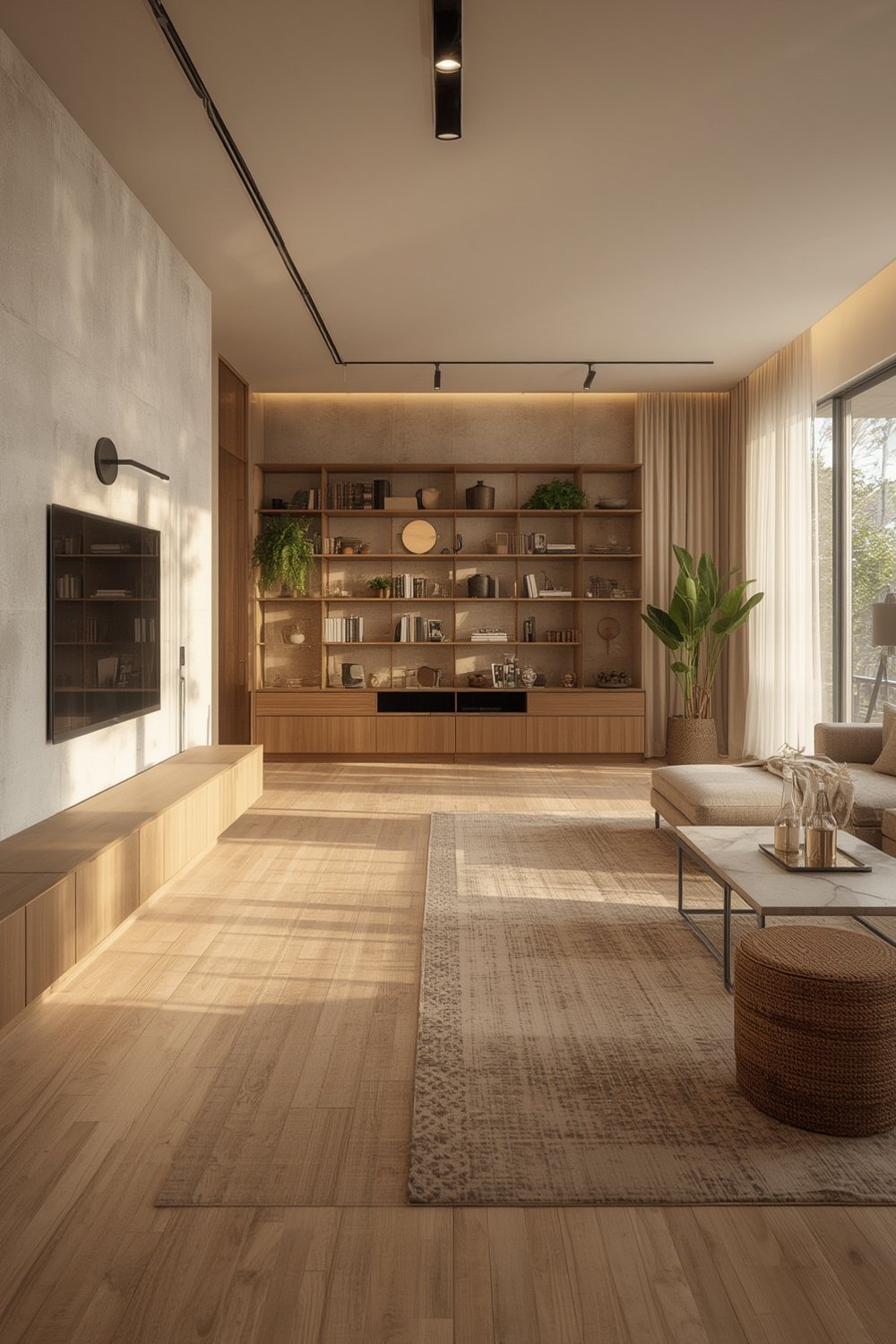
Home improvement trends are changing rapidly, driven by shifting consumer priorities, new technologies, and evolving regulations. Homeowners are navigating rising material costs, generational shifts, and the growing demand for both sustainability and smart features. Here’s what matters now and how to stay ahead with realistic, actionable advice.
Key Takeaways
- Popular home improvement trends for 2024 and 2026 focus on energy efficiency, personalization, and smart technology—but rising costs complicate planning.
- Regional building codes and generational supplier switching are reshaping the market in overlooked ways.
- Quality, transparent pricing, and ergonomic DIY tools are make-or-break factors, especially for cost-conscious and aging homeowners.
- The Core Concept: Today’s Fastest-Growing Home Improvement Trends
- Step-by-Step Guide: How to Make Trending Home Improvements Work for You
- Advanced Analysis & Common Pitfalls: Realistic Challenges With Home Improvement Trends
- Conclusion
- FAQ
The Core Concept: Today’s Fastest-Growing Home Improvement Trends
Recent data shows homeowners spent a staggering $603 billion on upgrades in 2024, with project scale and scope hitting new highs. Painting, outdoor living spaces, bathroom remodels, and landscaping top the charts as the most completed and most planned improvements through 2026. Demand is surging among younger homeowners, especially those aged 30–44, who now account for a 72% project completion rate and are driving a trend toward aesthetics and personalization. At the same time, 18% of this group is budgeting $10,000–$20,000 on renovations focused on style and comfort. Environmental mandates, such as energy efficiency upgrades and high-performance siding in Western states, are also accelerating specialized remodeling projects.
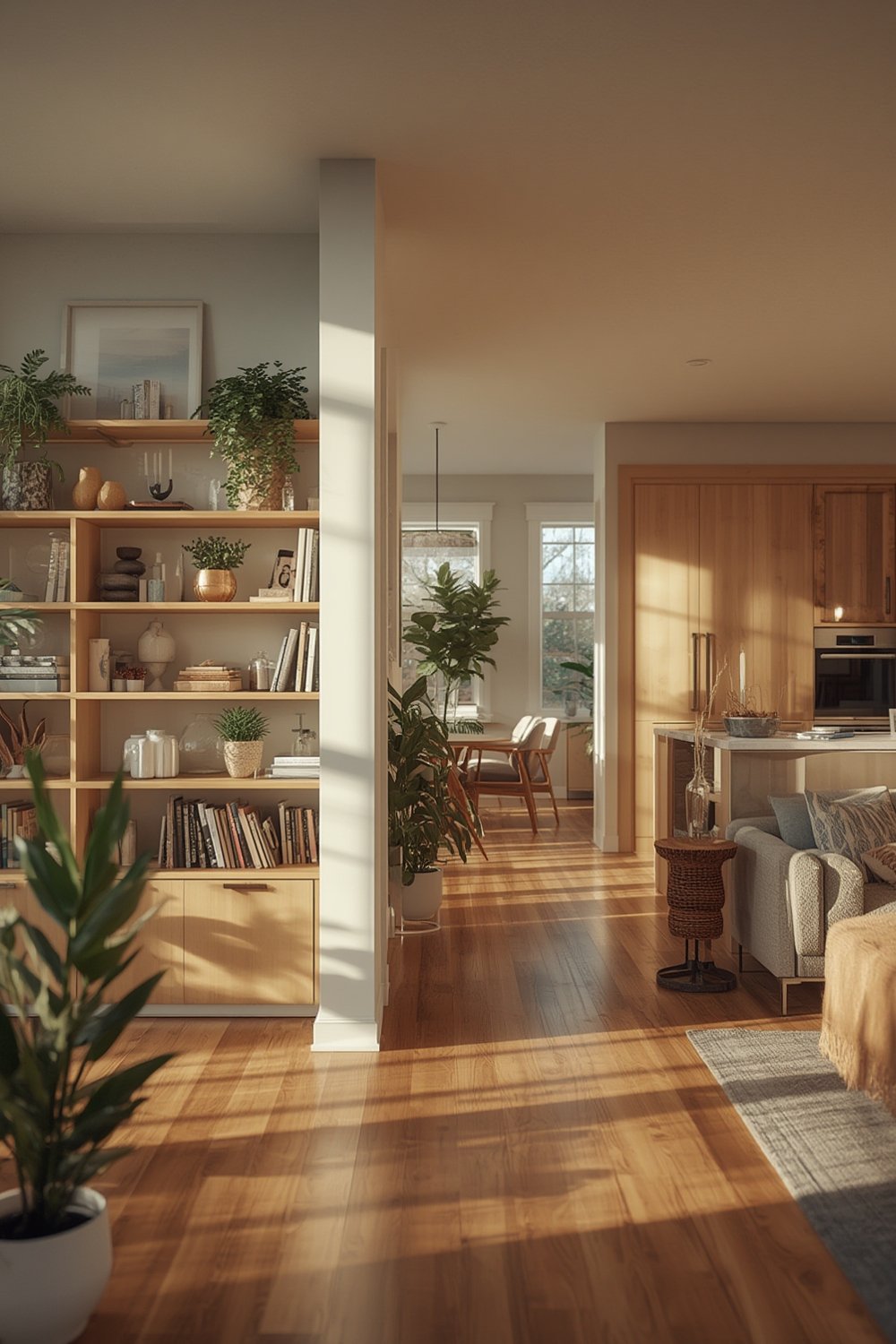
Despite this growth, material cost inflation continues to strain budgets. Concrete, steel, and electrical materials each saw double-digit price rises in 2024. DIY activity, while momentarily slowed, is expected to rebound as skill confidence recovers and modern ergonomic tools become more popular, improving accessibility for older DIYers. At the regulatory level, stringent building codes—particularly in Pacific states—are pushing more homeowners to invest in energy upgrades and sustainable design. This intersection of economics, regulation, and lifestyle creates a complex but opportunity-rich environment for anyone planning a remodel.
For more insight on smart security trends, the Ring Battery Doorbell Pro offers a close look at integrating advanced technology in home upgrades.
Step-by-Step Guide: How to Make Trending Home Improvements Work for You
- Identify Your Top Priorities
Align your home improvement projects with what matters most in 2024—painting, modern outdoor living spaces, bathroom remodels, or landscaping? Analyze your goals, whether it’s boosting curb appeal, increasing energy efficiency, or creating flexible spaces for remote work. - Assess Regional Codes and Incentives
If you’re in states like California, Oregon, or Washington, check for new energy mandates or window and siding codes that could affect your plans. These regions are advancing strict sustainability standards, impacting both material choices and available incentives. - Budget Realistically for Today’s Costs
Factor rising costs for concrete, metals, and electrical components into your plans. Expect annual cost increases and shop around for transparent pricing or bulk deals—especially if you’re doing multiple projects. - Choose Materials and Suppliers Strategically
Don’t stick to old brands out of habit. With 46% of Gen Z and Millennials switching suppliers for price and availability, shop around for better deals or stock levels. Heavy DIYers are more likely to benefit by changing brands as component costs and shortages fluctuate. - Invest in Ergonomic and Smart Tools
If you’re taking the DIY route, update your toolkit—electric screwdrivers and other ergonomic products are booming and essential for comfort and efficiency, especially for aging hands or anyone completing repeated tasks. - Layer in Smart Technology—But Prioritize Value
From energy-efficient thermostats to video doorbells and automated lighting, focus on features that offer tangible energy or security benefits. See how the Ring Battery Doorbell Pro exemplifies easy-to-install, high-impact upgrades. - Track ROI and Stay Flexible
Although specific return data is limited, home improvements done for both market value and lifestyle add long-term benefits. Painting or quick bathroom upgrades can be completed in days if layouts remain constant. Use project tracking software or simple spreadsheets to monitor costs and adjust your plans as prices or priorities change.
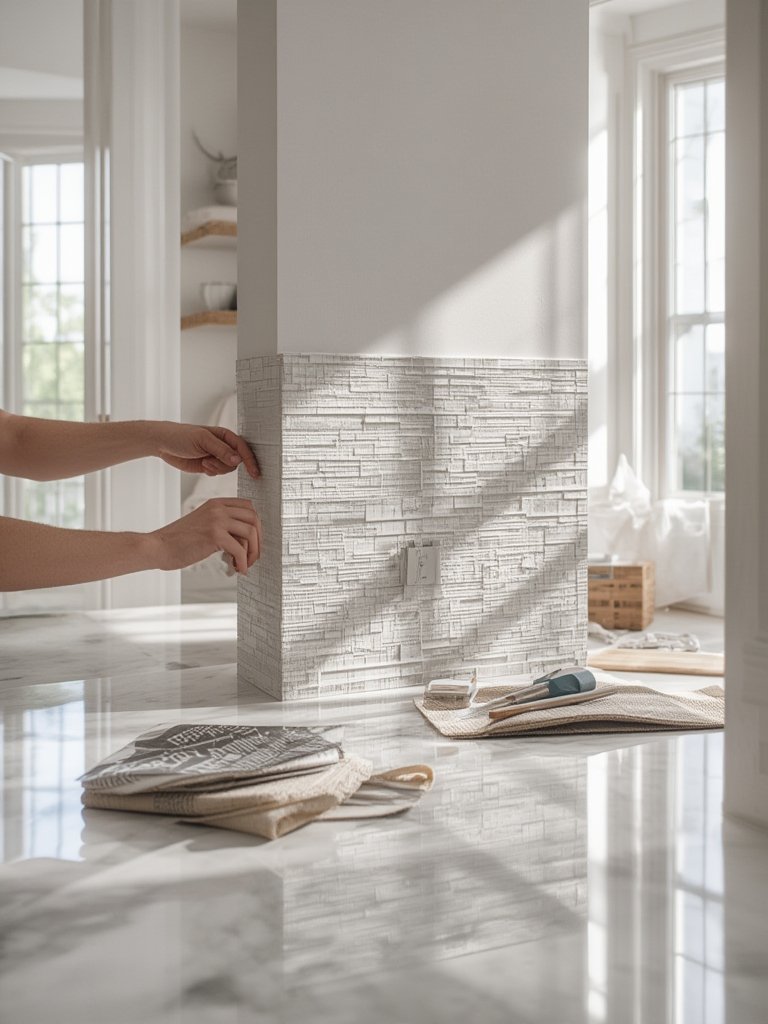
Remember to stay informed. Check sources like the NARI Remodeling Impact Report or Great Day Improvements’ research for the latest project statistics. Additionally, for advice on integrating smart security, see our expert take on the Ring Battery Doorbell Pro.
Finally, don’t underestimate the impact of aging-in-place upgrades or ergonomic DIY solutions, especially if you or your loved ones plan to remain in the home for years.
For kitchen tech and even more space-enhancing tips, read our guide on installing smart lighting.
Advanced Analysis & Common Pitfalls: Realistic Challenges With Home Improvement Trends
Homeowners aiming to follow the latest trends often underestimate hidden challenges. Here’s a breakdown of what can realistically trip up your plans—plus how to avoid costly mistakes:
| Common Pitfall | Example/Impact | How to Avoid |
|---|---|---|
| Under-Budgeting for Materials | Concrete rose 13.9% and steel 16.7% YoY. Bathroom remodels and landscaping costs have spiked. | Price-check all sources, budget for an extra 10-15%, and consider lower-cost materials where performance allows. |
| Ignoring Local Code Requirements | Energy efficiency mandates in Pacific states can stall or void projects if ignored. | Consult your local building department and review region-specific regulations before purchase. |
| Hiring Based on Price Alone | Rushed hiring or unverified professionals can cause delays, quality issues, or even unsafe installs. | Always check references, read reviews, and ensure contractors are licensed and insured. |
| Sticking with Outdated or Non-Ergonomic Tools | Aging hands/carriers develop pain—especially in repetitive tasks for DIYers aged 55+. | Invest in electric screwdrivers and task-specific tools designed to reduce physical strain. |
| Overlooking Supplier Switching Opportunities | Gen Z and Millennials switch brands at 4x the rate of Boomers, reaping cost/availability rewards. | Emulate frequent supplier review to benefit from better deals and reliable stock during shortages. |
| Misjudging ROI or Payback Timelines | Lack of hard data means actual returns can lag expectations, especially with custom features. | Focus on projects with proven quick impact—like painting and hardware upgrades—if resale is a near-term goal. |
Even the best-intentioned remodels can run aground if local codes shift mid-project or if supply chains break down. It’s critical to build in buffers for price shocks—particularly with key materials still rising. DIYers, especially those driven by budget reasons, should audit their skills, take advantage of ergonomics, and not push beyond their safe limits.
For homeowners adding smart security or automation elements, reliability and interoperability are crucial—review our detailed analysis of Ring Battery Doorbell Pro installation and troubleshooting tips.
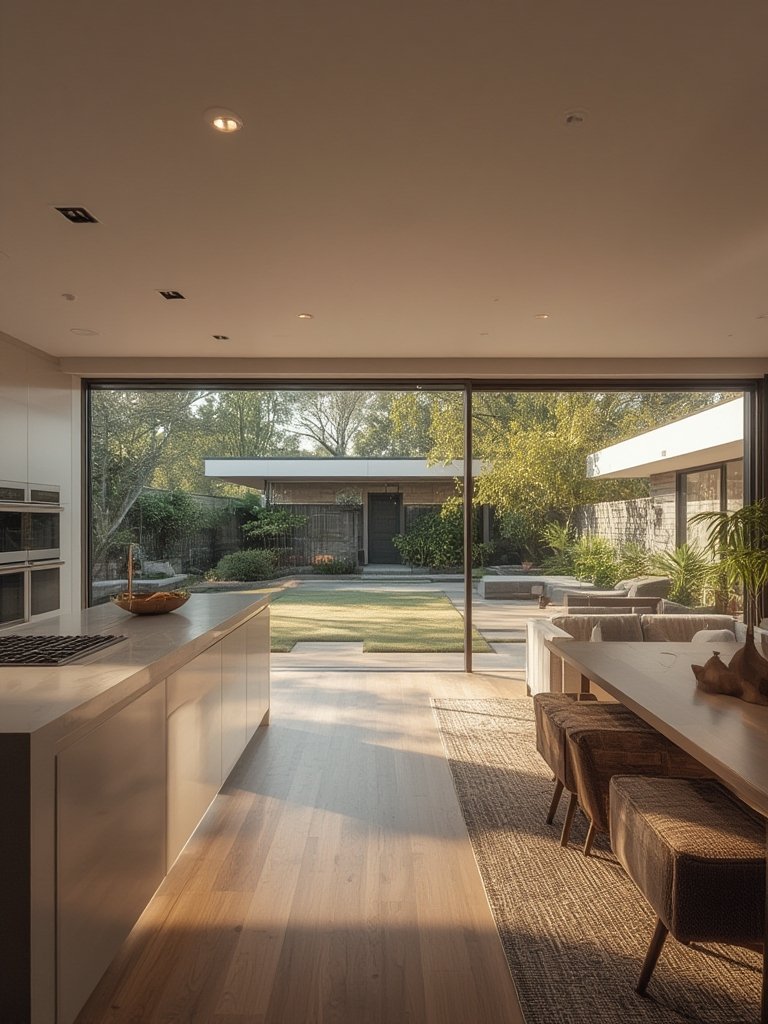
Finally, remember that experienced product choice, cost validation, and regulatory research always pay off more than chasing fads. For further reading about sustainable building and performance upgrades, visit Advanced Design Studio’s 2026 Outlook.
Conclusion
Staying ahead in home improvement isn’t just about chasing the latest style. It means navigating costs, seeking quality, and aligning upgrades with your region and demographic needs. The most effective home improvement trends combine practical innovations like smart thermostats or electric screwdrivers with fundamentals such as painting or landscaping. Ready to make smart choices? Explore our detailed reviews and tutorials—start with the Ring Battery Doorbell Pro or our roundups of easy smart lighting upgrades—and build a better, smarter home today.
FAQ
What are the most popular home improvement trends heading into 2026?
Painting, landscaping, expanded outdoor living areas, and bathroom remodels lead in popularity. Energy efficiency and smart technology integration are also gaining momentum especially in regions with new regulatory mandates.
How much should I budget for a typical 2026 home improvement project?
Budgeting $10,000–$20,000 is typical for significant aesthetic or comfort-driven projects. However, always add a 10%–15% buffer for rising material costs, especially for concrete, steel, or electrical upgrades.
How do I avoid common home improvement pitfalls?
Get multiple written contractor bids, validate references, check local code requirements, invest in ergonomic tools, and compare supplier deals frequently—these actions prevent most costly mistakes.
Which home improvement trends offer the best long-term ROI?
Projects with the strongest practical and lifestyle appeal—like fresh painting, hardware upgrades, and bathroom remodels—continue to deliver solid value, even if specific ROI numbers vary by market and material cost.
Where can I learn more about combining smart tech and security in home upgrades?
Explore our in-depth Ring Battery Doorbell Pro review for the latest tips on integrating advanced security and convenience features.
—