

Organic lawn care is quickly gaining traction across the United States, with more homeowners seeking chemical-free, eco-friendly alternatives to traditional lawn maintenance. Whether you’re concerned about pets, pollinators, or simply want lower-impact options, it pays to know what works—and what to avoid—when making the switch.
Key Takeaways
- The organic lawn care market in the US is booming, with over 62% of homeowners preferring organic or chemical-free treatments.
- Going organic involves upfront adjustments but offers long-term soil health benefits and reduces environmental risks.
- Success with organic lawn care depends on timing, realistic expectations, and choosing methods tailored to your climate.
- What is Organic Lawn Care and Why Is It Growing Fast?
- Step-by-Step Guide to Organic Lawn Care
- Advanced Analysis & Common Pitfalls
- Conclusion
- FAQ
What is Organic Lawn Care and Why Is It Growing Fast?
Organic lawn care means maintaining your lawn without synthetic chemicals, pesticides, or conventional fertilizers. Instead, it uses natural products and methods to support healthy soil and resilient grass. It’s not just about skipping chemicals—with organic methods, you focus on building life in the soil, supporting local ecosystems, and protecting kids and pets who use your yard daily.
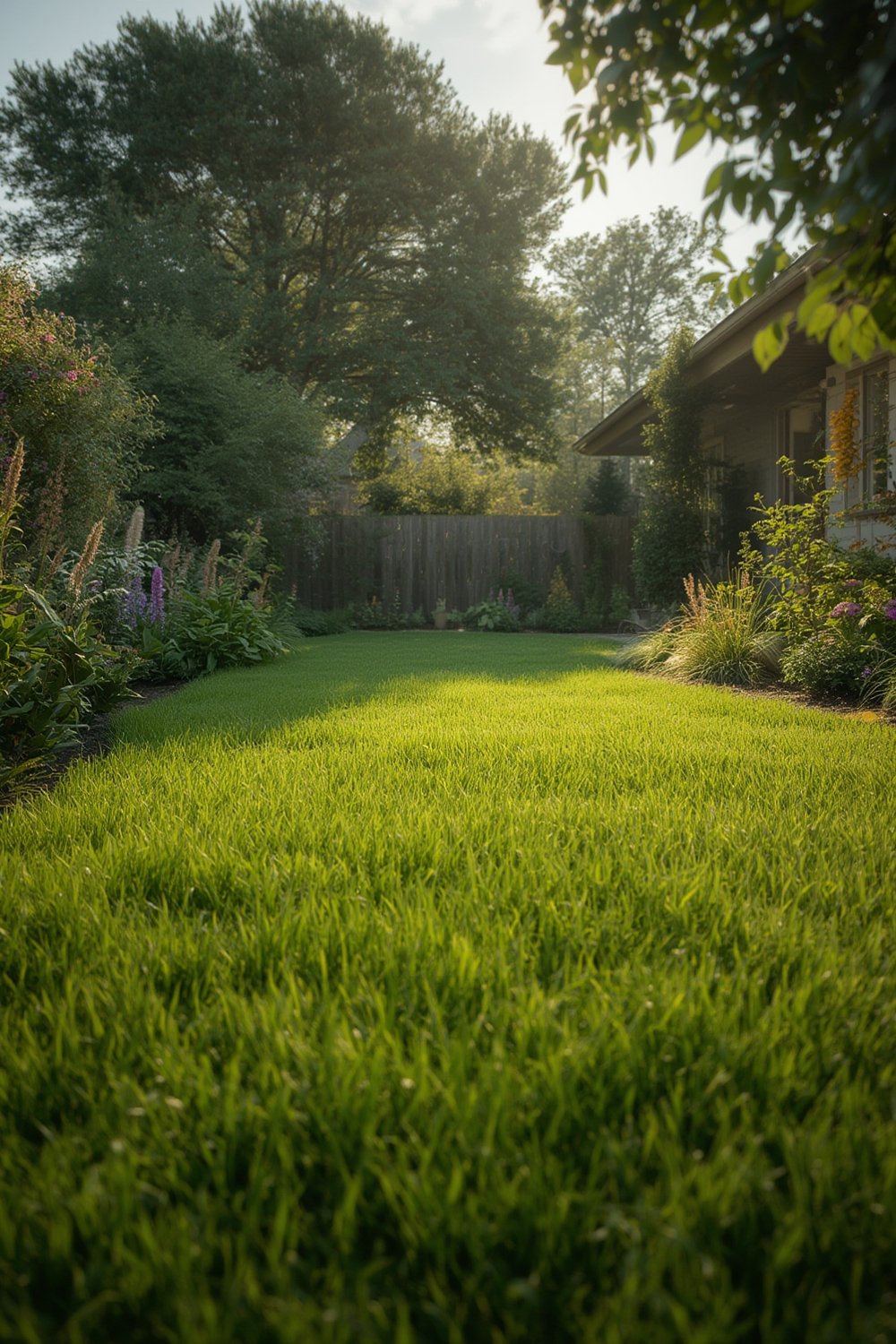
The numbers paint a clear picture: the global organic lawn care market hit USD 2.0 billion in 2024, with North America accounting for a significant share and expanding rapidly. The United States alone controls over 40% of the biological lawn care service market, and more than 62% of US homeowners prefer organic or chemical-free treatments for their yards.[source] With the broader US lawn care market reaching nearly $58 billion in 2024, the demand for sustainable options is only going up.
Why the surge? It’s a mix of health concerns, environmental awareness, and a desire for more pet- and pollinator-safe spaces. Homeowners today want lawns that support biodiversity—without risking their families or local waterways. Going organic may take some mindset shifts and patience, but it’s a realistic way to care for your property and the planet.
To see how organic lawn care can fit into broader home goals, check out these relevant guides on home improvement trends and energy efficient home upgrades.
Step-by-Step Guide to Organic Lawn Care
Ready to make the switch? Here are proven, realistic steps for establishing and maintaining a healthy organic lawn—without falling for marketing hype.
-
Test Your Soil First
Before adding anything, use a DIY soil test kit or contact your county extension office for a thorough soil test. This helps you understand your soil’s pH, organic matter content, and nutrient needs—making your treatments much more efficient. -
Mow High and Often
Set your mower high (3″ or more) for deeper roots and better weed resistance. Mow regularly, but avoid removing more than the top third of the grass blade at a time. For best results, keep your mower blade sharp—read these pro tips for sharpening lawn mower blades. -
Feed the Soil, Not Just the Grass
Apply compost or organic fertilizers to strengthen soil life. Use products rich in naturally slow-release nitrogen. Avoid quick-release chemical boosters—they undermine root development and microbial activity.
Find seasonal advice and product picks in our detailed lawn fertilization guide. -
Water Deeply but Infrequently
Lawns need one inch of water per week (rain included), delivered in a single, deep soaking session. This promotes strong root systems and reduces water waste. -
Embrace Seasonal Timing
In spring and early fall, schedule overseeding and aeration to support root growth and thickness. Organic weed control is most effective when weeds are young. For region-specific advice, read our expert lawn care guide. -
Control Weeds Organically
Use corn gluten meal as a pre-emergent, spread by hand or with a broadcast spreader. Pull weeds by hand or use natural spot treatments (like vinegar) on visible weeds—early detection is key. -
Maintain Core Aeration
Aerate compacted soil every year or two in fall. This allows air, water, and nutrients to reach roots while enhancing microbial life. Curious how it works? Our lawn aeration guide walks you through the process.
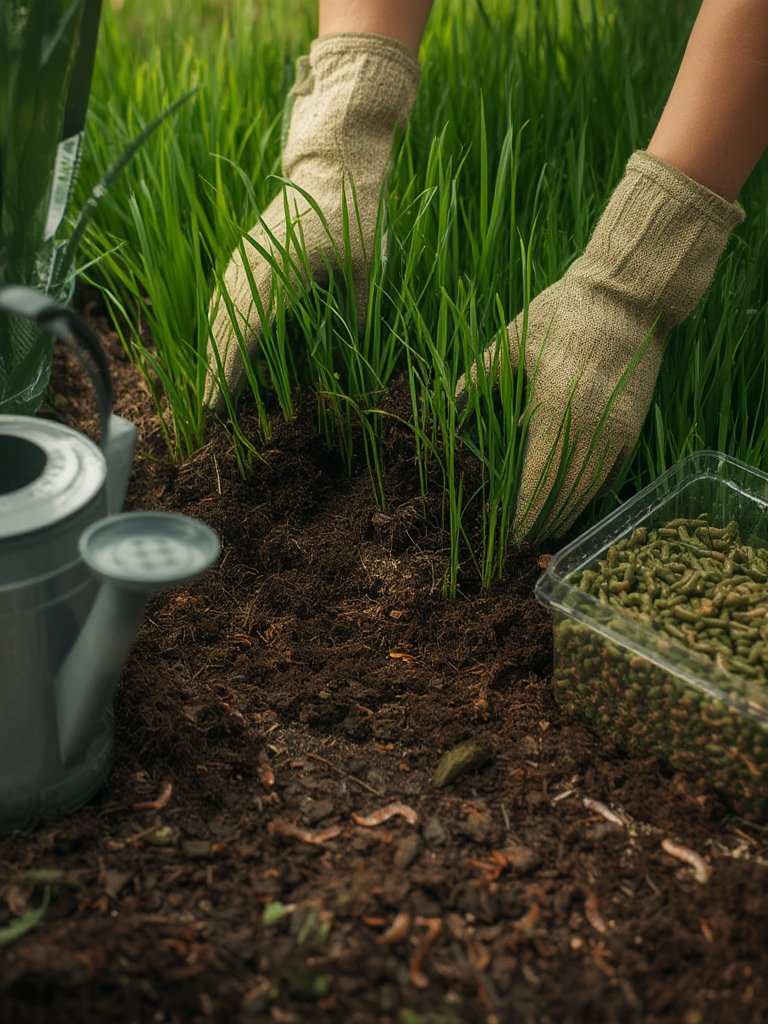
Small adjustments—like using mulching blades or leaving grass clippings in place—add up over time. Clippings return nitrogen to the soil, further reducing the need for outside inputs. Remember, organic lawn care happens season by season, and there’s no truly “set-and-forget” solution.
Advanced Analysis & Common Pitfalls
Switching to organic lawn care provides long-term benefits, but homeowners regularly encounter a few hurdles. Understand these common issues so you can avoid frustration and wasted effort.
Top Pitfalls of Organic Lawn Care
- Misaligned Expectations: Organic lawns may not offer “instant green” results or the weed-free look of chemically treated turf, especially in the first year.
- Transition Shock: Lawns previously treated with chemical fertilizers and herbicides often need a turnaround period before soil life rebounds.
- Ineffective Timing and Application: Many natural products work best when applied at specific times (spring/fall) and can underperform if misapplied.
- Higher Short-Term Costs: Organic products or treatments can cost more upfront, although over time, improved soil reduces overall inputs.
- Weed Pressure: Weeds can be more pronounced during the transition period before dense, healthy turf crowds them out.
- Lack of Season-Specific Adjustments: Many guides ignore localized climate timing. For example, southern lawns have different needs from northern ones; seasonal drought, rainfall, or dormancy should guide your choices.
Cost and Service Comparison
| Aspect | Organic Lawn Care | Conventional Lawn Care |
|---|---|---|
| Initial Cost | Moderate-High (compost, organic seed/fertilizer) | Low-Moderate (synthetic inputs cheaper upfront) |
| Long-Term Maintenance Cost | Low-Moderate (after soil improves, less product needed) | Consistent/High (reliance on recurring chemical apps) |
| Effectiveness (Year 1) | Varies (may see more weeds, slower improvement) | Rapid results, weed control reliable |
| Environmental Impact | Low risk; improves pollinators, soil health, water quality | Potential runoff, risk to pollinators/pets, soil decline |
| Pet/Child Safety | High (with proper product selection) | Low-Moderate (potential toxicity from chemicals) |
It’s important to note that there’s limited head-to-head research data available comparing short- and long-term costs or outcomes between organic and conventional lawn care in the US. However, industry growth and strong consumer demand suggest satisfaction with the organic approach is steadily increasing.[source]
For more ideas on low-maintenance garden design and maximizing curb appeal, read our zoned garden and lawn care services guides.
Conclusion
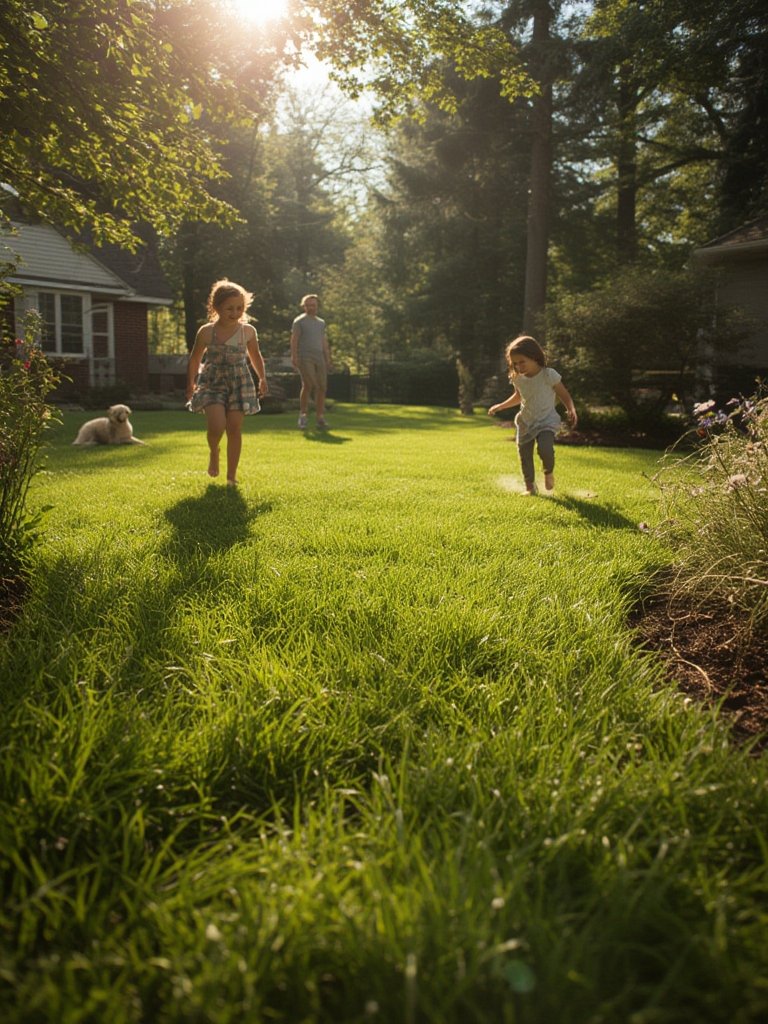
Switching to organic lawn care is a smart investment if you want a safer, healthier, and environmentally responsible yard. Remember, results often require patience and attention to timing—but your soil and family will thank you for it in the long run.
Ready to make your move? Get started with a soil test, develop a seasonal plan, and build habits that naturally sustain your lawn for years to come. For more expert home and lawn insights, explore our remodeling and grass cutting resources. Your yard—and your conscience—will thrive. Take the first step toward healthier soil and a better yard today.
FAQ
How does organic lawn care differ from conventional lawn care?
Organic lawn care eliminates synthetic chemicals and focuses on soil health, using compost, organic fertilizers, natural weed control, and cultural practices. In contrast, conventional methods rely heavily on synthetic fertilizers and pesticides for quick results.
Is organic lawn care more expensive?
Upfront costs may be higher for organic products and soil-building amendments, but overall costs often decrease over time as soil improves and the lawn requires fewer treatments.
How long before I see results with organic lawn care?
It can take one full growing season or more to see substantial improvement, especially if your lawn is recovering from heavy chemical use. Patience and consistency are key.
Is organic lawn care safer for pets and children?
Yes, when you use truly organic, non-toxic products, your lawn becomes a much safer environment for pets and kids. Always verify any product claims and consult regulatory guidelines.
Can I use organic methods on any type of grass?
Yes, but for best results, choose high-quality grass seed that is suitable for your climate zone and lawn’s sunlight exposure.
—