

Weed control service is often the missing link between a healthy, envy-worthy lawn and one overrun by stubborn weeds. Most homeowners want greener, thicker grass, but DIY weed management can quickly turn costly, time-consuming, and frustrating. If you’re wondering whether hiring a professional weed control service is worth it—or just another home maintenance expense—this straightforward guide gives you grounded answers and proven action steps.
Key Takeaways
- The U.S. lawn care market (including weed control) was valued at $57.77 billion in 2024 and is growing fast.
- Professional weed control service can save time and deliver better, longer-lasting results—but many people underestimate costs and complexity.
- DIY weed control remains an option, but mistakes are common, and results often fall short compared to professionals’ outcomes.
- What Is Weed Control Service and Why Does It Matter?
- How to Get the Best Results with Weed Control Service: Step-by-Step
- Advanced Analysis & Common Pitfalls
- Conclusion
- Frequently Asked Questions
What Is Weed Control Service and Why Does It Matter?
Weed control service refers to experts who assess, treat, and prevent unwanted weeds in your lawn or landscape. They blend proven products, timing, and know-how to target troublesome species without harming your lawn or the environment. Unlike pulling a few dandelions by hand, professional weed control service involves a tailored approach—spot treatments, pre-emergent herbicides, mulching, and ongoing monitoring—to keep your property looking sharp and healthy year-round. Services can be one-time or part of an ongoing maintenance schedule, often bundled with lawn fertilization and lawn care.

Why does this matter? Because weeds are more than just unsightly. They rob your grass of nutrients, water, light, and space—turning a beautiful lawn into a patchy mess. Without effective weed control, even new sod or seedings will struggle to thrive. The U.S. lawn care market—including weed control—was valued at $57.77 billion in 2024 and is projected to soar through 2033. This growth reflects rising demand for reliable, pro-level solutions instead of unending home remedies.
Ready to make weed control part of your long-term home or business improvement plan? Here’s exactly how to get started—and what to expect at each step.
How to Get the Best Results with Weed Control Service: Step-by-Step
Effective weed control doesn’t happen by accident. Whether you manage a small lawn or commercial property, these are the steps professional weed control services use for long-term success:
-
Inspection & Weed Identification:
- The service starts with an on-site inspection. Experts look for broadleaf weeds (like dandelion, clover), grassy weeds (like crabgrass), and sedges, each needing different treatment strategies.
- Early detection is crucial—some weeds go from seed to maturity in weeks and multiply fast.
-
Treatment Planning:
- The provider will recommend a mix of pre-emergent (prevents new weeds) and post-emergent (kills existing weeds) products, all chosen for your climate, lawn type, and the specific weeds identified.
- Some services use organic or low-chemical solutions, especially if you have pets or children.
DIY home care methods rarely offer the same customization.
-
Application:
- Professionals apply targeted herbicides with professional equipment for uniform coverage and safety. They carefully avoid flower beds, vegetable gardens, and water runoff areas.
-
Follow-Up & Monitoring:
- Expect 2-6 return visits during the growing season. These visits address regrowth and brands any resistant or new weed species that may have emerged after the initial treatment.
- Some weed control service plans include fertilization—these “weed and feed” combos both strengthen grass and suppress new weeds. Read how this boosts property value: Home Improvement Trends.
-
Maintenance Advice:
- After each application, the service should share aftercare tips: watering schedules, mowing heights, and when it’s safe for pets or kids to use the lawn. Proper mowing (see this guide on lawn mowing) helps healthy grass outcompete weeds.
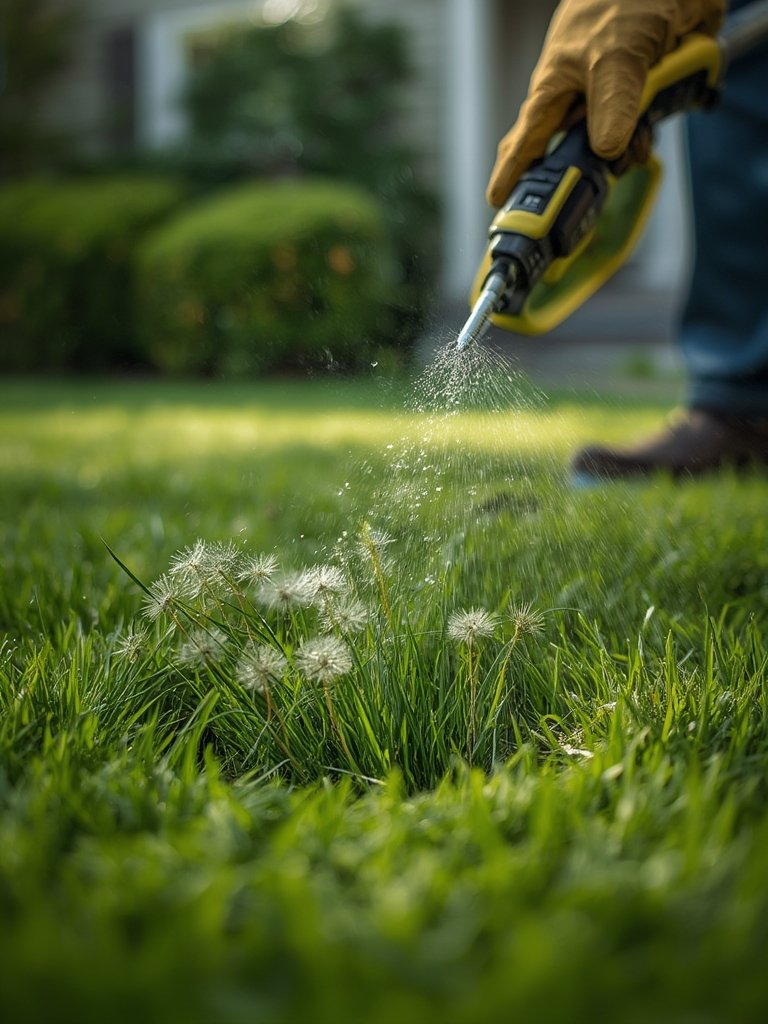
Looking for ways to bundle weed control with other yard projects? Consider integrating “weed and feed,” aeration, and seasonal overseeding for maximum results. When hiring, always check that the service backs up their treatments with a satisfaction guarantee—and that their technicians have proper licensing. For added efficiency, explore modern automated sprinkler systems to keep your lawn stress-free year-round.
Advanced Analysis & Common Pitfalls
Even with the best weed control service, issues can crop up. Let’s break down what most people get wrong—and how the pros avoid costly mistakes.
- Misidentification: Treating all weeds the same way wastes money and even kills grass. For example, dandelions require different herbicides than crabgrass or sedges. A professional identifies the weed species before applying any solution (source).
- Improper Application Timing: Missing the right week for pre-emergent or post-emergent treatment means weeds already seed and multiply. Weather, temperatures, and rainfall all influence timing.
- Skipping Follow-Ups: One-off treatments rarely solve the problem. Without a follow-up plan, new weed seeds reemerge, and you’re back to square one.
- Ignoring Nearby Properties: If neighbors neglect their yards, seeds can easily blow in—even after you’ve achieved a weed-free lawn.
- Environmental and Safety Concerns: Overapplication harms the environment and risks family health. Verify your provider complies with local pesticide regulations and safety standards (source).
| Method | Effectiveness | Cost | DIY Difficulty | Biggest Risks |
|---|---|---|---|---|
| One-Time DIY Treatment | Low to Medium | Low | Moderate | Missed species, inconsistent coverage |
| Professional Spot Treatment | Medium to High | Medium | Easy (outsourced) | Missing new weeds |
| Seasonal Weed & Feed Program | High | High (but value increases with results) | Easy (outsourced) | Cost, over-application risks |
Struggling with recurring weeds even after professional treatment? Sometimes it’s a sign of deeper soil or lawn health issues—solutions might include adjusting pH or tackling compacted, unhealthy soil. For deep lawn recovery tips after a weed killer mishap, read Killed Lawn With Weed Killer: 7 Best Ways to Restore Your Yard.

Before you book the next service, always ask about their aftercare process, including whether they test and prep soil for lasting change (see lawn leveling for tips on optimizing your yard foundation).
Conclusion
Choosing a weed control service isn’t just about killing eyesores—it’s an investment in a greener, safer, thriving yard. While DIY solutions are tempting, a professional weed control service gives you peace of mind, more time, and a higher-quality lawn outcome. If you’re ready to enjoy a weed-free lawn, demand evidence-based plans, clear communication, and don’t hesitate to ask your provider tough questions. Schedule your weed control service now and see the difference yourself!
Frequently Asked Questions
What does a professional weed control service really do?
A professional weed control service inspects your property, identifies weed types, applies targeted herbicides, and returns for follow-ups to ensure long-term weed suppression. Many also offer integrated fertilization and lawn care for a healthier yard overall.
Is professional weed control safer than DIY solutions?
Generally, yes. Pros are trained and licensed to apply chemicals safely and only use approved products. They limit exposure to pets, kids, and environment—whereas DIY attempts often misuse or overapply herbicides.
How often do I need weed control treatments?
Most properties benefit from 2 to 6 applications each year, depending on climate, weed type, and underlying lawn health. Your service provider should customize a treatment plan for your yard’s needs.
Are there organic or pet-friendly weed control options?
Yes. Many services offer organic or low-toxicity herbicides. Always ask before booking, especially if your yard is frequented by pets or children.
Can weed control service increase my home’s value?
Indirectly, absolutely. A lush, well-kept lawn improves curb appeal, which can influence homebuyers’ first impressions and final sale price. See the impact on home value in this home improvement trends guide.