

Lawn care is essential if you want a healthy, green yard and strong curb appeal, but most guides skip crucial facts and actionable steps. In 2024, the lawn care market is booming, but realistic, region-specific advice is harder to find than ever. This guide cuts the fluff—giving you real numbers, realistic approaches, and plain pitfalls to avoid for better results.
Key Takeaways
- The U.S. lawn care market topped $158.9 billion in 2024, with services dominating household spending.
- Climate, region, and season play a major role—Southern states require year-round care and more frequent mowing.
- Smart tech, organic products, and sustainable practices are disrupting traditional approaches and shaping the market’s future.
- What Is Lawn Care and Why Does It Matter?
- Step-by-Step Lawn Care Guide for 2024
- Advanced Analysis & Common Pitfalls in Lawn Care
- Conclusion
- FAQ
What Is Lawn Care and Why Does It Matter?
Lawn care goes beyond simple mowing. It covers maintenance, treatment, and consistent strategies adapted to your climate and lawn type. In 2024, this effort matters more than ever: market data shows Americans spent over $158.9 billion on lawn care and landscaping, with a clear trend toward more innovative, eco-friendly solutions. Your property value, neighborhood appeal, and personal comfort all depend on properly managed turf.
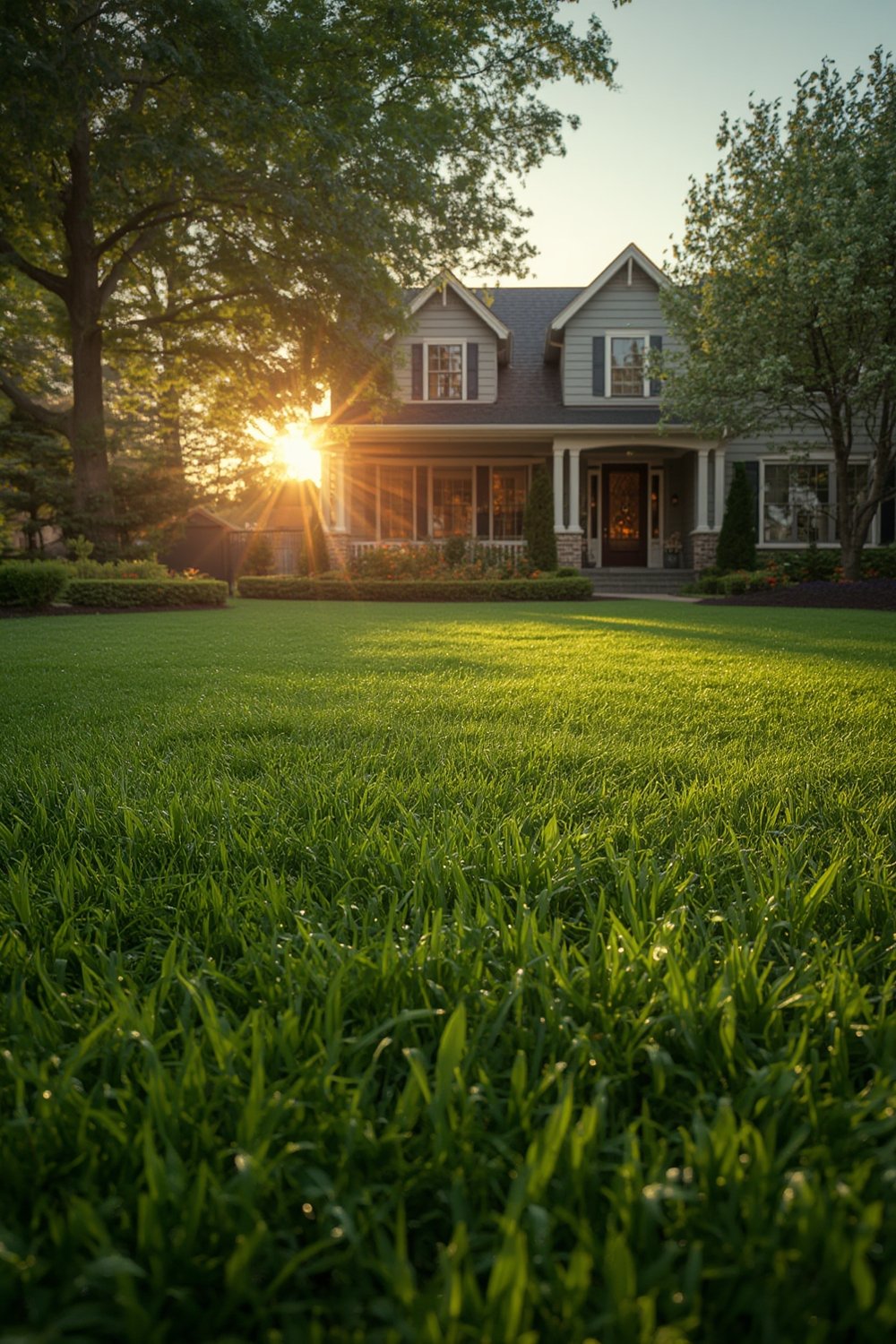
Persistent droughts, climate variations, and labor shortages make lawn maintenance a challenge—but also a big opportunity for homeowners willing to follow the right steps. Whether you’re planning DIY improvements or hiring professional help, understanding the basics is your first step toward a healthy lawn.
For homeowners interested in boosting curb appeal and resale value, strategic upgrades to your landscaping—just like smart home improvement trends—can greatly impact your return on investment.
Step-by-Step Lawn Care Guide for 2024
-
Test Your Soil First
Most lawn issues start with poor soil or the wrong fertilizer. Order a local soil test (often $20-30 at your county extension office), then select amendments that match your yard’s needs. Don’t skip this step—it’s the real foundation. -
Mow at the Right Height
Adjust mower blades for your grass type (fescue, Bermuda, St. Augustine). Taller cuts promote deep roots and crowd out weeds, while mowing too short increases stress and disease. -
Water Deeply, Not Frequently
Most lawns need 1 inch per week, best applied in one or two sessions. Early morning is ideal to minimize evaporation and prevent disease. -
Feed Smart—Avoid Over-Fertilizing
Apply fertilizer only when your grass is actively growing. Over-fertilizing is common, especially in southern regions where year-round growth is the norm. For details, read our expert lawn fertilizer guide. -
Control Weeds and Pests Early
Spot-treat weeds before they spread. For grubs or chinch bugs, use products compatible with your grass type and climate. Organic and smart tech solutions are trending in 2024, especially products from major players like Scotts Miracle-Grosource. -
Sharpen Mower Blades
Dull blades tear, rather than cut, stressing the lawn and increasing brown tips. -
Adjust for Climate and Region
In the South, plan for frequent mowing and summer irrigation—grass grows year-roundsource. Elsewhere, time feeding, aeration, and seeding for your zone’s unique cool or warm season.
For more in-depth tips, see our complete lawn mowing guide.
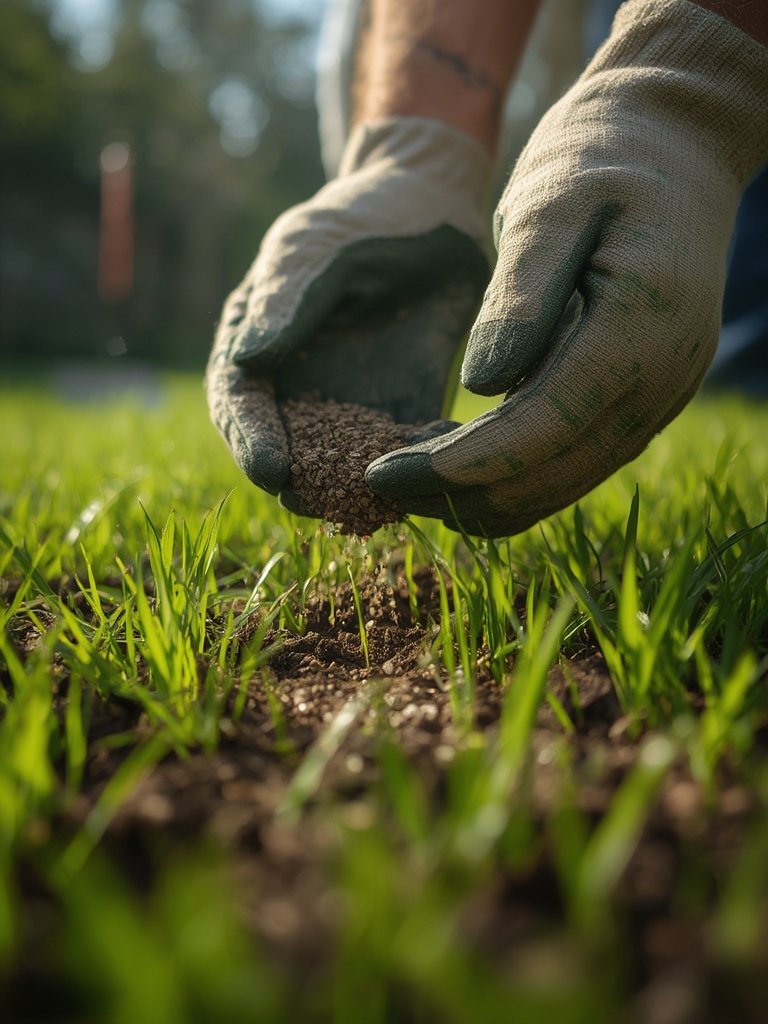
If you killed lawn patches with weed killer or fertilizer, you’re not alone. Learn professional recovery steps in our rescue guide: fixing dead spots after mistakes.
Want sharper lines and fewer mowing headaches? Learn the right way to sharpen your mower blade at home with our proven DIY technique.
Advanced Analysis & Common Pitfalls in Lawn Care
Real-world lawn care is rarely perfect. Here’s what the latest market data and user experience reveal about common mistakes and realistic obstacles:
- Overlooking Regional Climate: Southern regions like Texas, Georgia, and Florida require nearly year-round mowing and upkeep. If you treat southern turf like a northern lawn, you’ll lose the battle fast.
- Over-fertilizing: With product sales at $53.7 billion in 2024source, many homeowners risk polluting waterways or burning their grass by applying too much too often.
-
Poor Equipment Maintenance: Mowers, covering 45% of the lawn care product market, get neglected. Dull or damaged blades lead to ragged cuts and fungus growth.
For more on tool care, see our recommendations for the best DIY tools. - Ignoring Soil Health: “Green up” products may mask issues caused by compacted soil, poor pH, or lack of organic material.
- Skipping Season-Appropriate Timing: Aeration, overseeding, and fertilizing at the wrong intervals reduce effectiveness and may waste money.
| Product Type | 2024 Market Share | Key Players | Safety/Notes |
|---|---|---|---|
| Mowers | 45% | Toro, Husqvarna | Annual blade sharpening required; observe safety protocols |
| Fertilizers | 30% | Scotts Miracle-Gro | Follow label; organic lines are available but may work slower |
| Pest Control | 25% | Ortho, EcoGuard | Spot-apply to reduce chemical runoff; check for pet-safe formulas |
Meanwhile, many emerging treatments and eco-friendly products lack long-term proof. Smart irrigation systems are promising, with companies like Irrigreen securing new funding in 2025, but always check for unbiased user data before investing.
Conclusion
Having a truly healthy, attractive lawn in 2024 means much more than simply mowing every week. Smart home upgrades and proven sustainability steps often start with what’s outside: your grass.
Remember the basics—soil testing, correct mowing, careful fertilizing, and region-specific timing. Consider eco-friendly products and smart tech, but don’t fall for “miracle” solutions without data to back them up. Stay patient and adapt over the seasons. For every dollar you invest in lawn care, the returns in enjoyment, property value, and neighborhood reputation are real.
Ready to take your yard to the next level? Review our DIY decor and project guides for even more curb appeal, or explore the best tools and techniques for success today.
FAQ
How much does professional lawn care cost in 2024?
Costs vary by region and service, with basic mowing starting around $30–$50 per visit. Complete seasonal care packages can reach $300–$600+. DIY solutions cost less but require time and equipment.
Which lawn care products are safest for pets and kids?
Look for organic or natural formulas and check for third-party certifications. Scotts Miracle-Gro and EcoGuard offer pet-safe options, but always wait until treatments are dry before allowing kids or animals onto the lawn.
What’s the biggest mistake homeowners make with their lawns?
Over-fertilizing and mowing too short are top mistakes—both stress grass and can damage your yard long-term. Always test soil and adjust your routines by season and region.
Is it better to DIY or hire a professional for lawn care?
DIY can save money and give you control, but complex issues or large yards often benefit from professional help. Look for local expertise to manage pests, irrigation, and complicated fertilizer schedules.
Are smart lawn care technologies worth the investment?
Smart irrigation and sensors can reduce water waste and adapt to weather, but upfront costs are high. These tools work best in larger yards or drought-prone regions.