

Killed lawn with weed killer is a nightmare scenario for any homeowner. One wrong product or a simple mistake, and you could see yellow, brown, or even completely dead grass that’s tough to bring back without the right strategy.
Key Takeaways
- Most herbicide lawn injuries are due to misapplication, drift, or product contamination—not bad luck.
- Dead grass from a killed lawn with weed killer usually means you need to remove and reseed or re-sod for a true recovery.
- Testing your soil and choosing the right recovery steps can prevent future herbicide mishaps and wasted lawn efforts.
- What Really Happens When You Kill Your Lawn With Weed Killer?
- Step-by-Step Guide: How to Fix a Lawn Killed by Weed Killer
- Advanced Analysis & Common Pitfalls
- Conclusion
- Frequently Asked Questions
What Really Happens When You Kill Your Lawn With Weed Killer?
When a weed killer kills your lawn, it means the chemical (herbicide) has harmed not just the weeds but also your desirable grass. This can happen from direct spray, drift from applications, residue in compost or mulch, or even contamination of application tools. The outcomes vary by product and amount, but in severe cases with non-selective or misapplied selective herbicides, the lawn often goes from green to brown and then dead within weeks. Once this happens, recovery is not about waiting for grass to bounce back—it’s about understanding why it happened and taking action to fix what’s left of your turf.
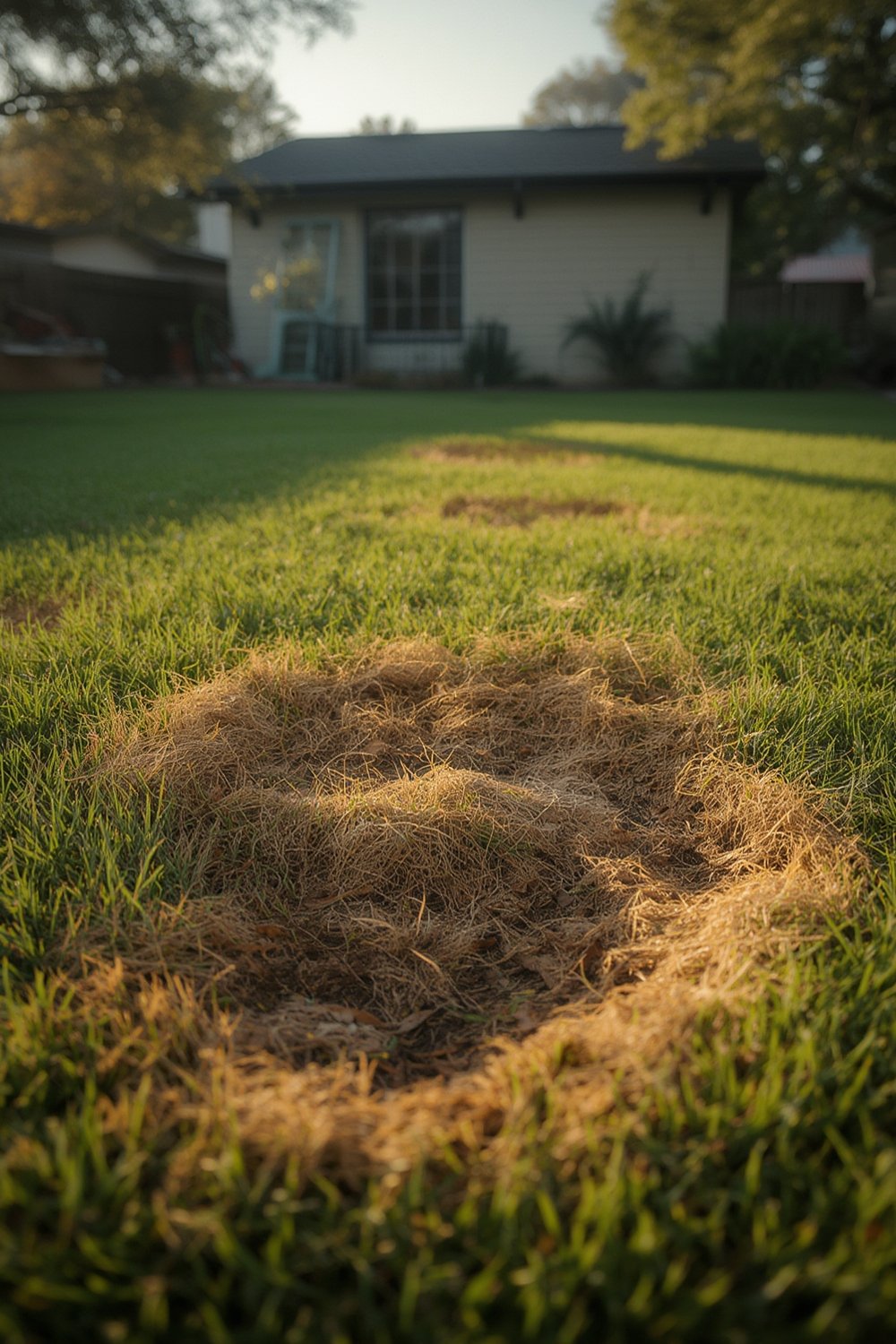
The causes range from using the wrong product (like glyphosate/Roundup or lawn “weed and feed” on the wrong grass type), overlapping sprays, ignoring weather conditions, or not cleaning your sprayer. This leads to visible signs like yellowing, twisting, patchy brown grass, cupped or dying new growth, and sometimes the death of the entire lawn or nearby plantings. Even with products labeled “lawn safe,” carryover or mistakes can kill grass and ornamentals.
According to WVU Extension and Iowa State Extension, prevention—such as choosing the right product and following label directions—is critical, but once the lawn is dead, most sources agree: drastic recovery measures are required.
Step-by-Step Guide: How to Fix a Lawn Killed by Weed Killer
Bringing a lawn back from severe weed killer damage is a challenge, but you can do it. Here’s how to take control and increase your odds of a healthy, green yard again:
-
Assess the Damage
If the whole lawn is yellow, brown, or dead, you’re dealing with severe herbicide impact. For smaller spots, spot treatment may be possible. -
Identify the Herbicide Used
Check what product caused the kill. Non-selective products such as glyphosate (Roundup) kill all vegetation. Selective lawn products (2,4-D, dicamba, quinclorac, MCPP, etc.) can also cause major problems if overdosed or misapplied. This tells you how persistent the residue could be. More on chemicals and their issues can be found on Penn State Extension. -
Remove Dead Grass and Clean the Area
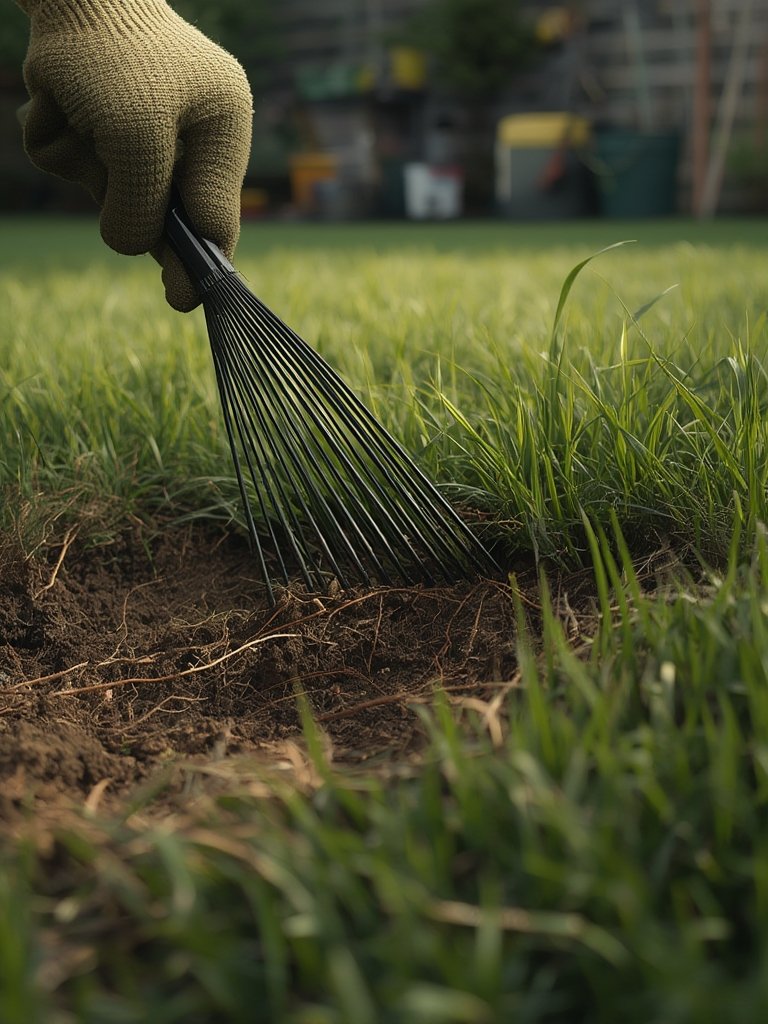
Rake out the damaged or dead turf. For severe damage or risk of persistent chemicals (such as picloram or clopyralid from hay/manure, or high rates of lawn herbicide), replace several inches of topsoil. -
Test the Soil
It’s rarely addressed in popular guides, but a professional soil test (including an herbicide screen) ensures you’re not planting into toxic ground. Persistent herbicides can stay active for months or longer. -
Restore or Replace Topsoil (If needed)
If tests show dangerous residues or results are inconclusive, replace several inches of topsoil, especially for edible gardens or to be extra safe with turf. -
Neutralize Residues (Advanced Step)
Mix in activated carbon/amendments (available online) or use compost to help bind and break down some herbicide chemicals, as recommended in University of Wisconsin Extension guides. -
Level the Soil & Prep for Planting
Use a lawn leveling rake for a flat, healthy growing surface. Learn how in our full lawn leveling rake guide. -
Choose Your Lawn Recovery Method
- Reseed or resod: Best for cool-season grasses and large, bare patches. Use high-quality, locally adapted seed, and follow with straw or mulch.
- Resod: Fastest for instant results, but more costly. Lay new sod onto prepared soil and keep it consistently moist.
- Partial Patch Repair: For small dead patches, dig out damage and refill with topsoil before reseeding or plugging with new turf.
-
Water Diligently
New grass need constant moisture. Water at least daily until grass is well established—never let the seed or sod dry out in the first weeks. -
Feed for Faster Recovery
Once grass emerges, apply a slow-release, starter fertilizer to support vigorous growth. Read our science-backed strategies to fertilize the lawn the right way. -
Mow Carefully
Do not mow until your new grass reaches about three to four inches. Then, trim gently and keep the blade sharp—learn how to sharpen lawn mower blades for a clean cut.
If you want to blend restoration with your overall property plans, check modern home improvement trends that boost curb appeal, or consider creative DIY home decor while your lawn recovers.
Advanced Analysis & Common Pitfalls
Treating a killed lawn with weed killer is rarely as simple as raking and reseeding. Let’s break down the key mistakes, chemical pitfalls, and overlooked tactics the top search results often miss:
| Herbicide/Product | Active Ingredient | Common Damage | Typical Cause | How to Recover |
|---|---|---|---|---|
| Roundup | Glyphosate | Yellowing, all grass dead in 2–3 weeks | Drift, wrong product, overapplication | Remove, replace, reseed/sod |
| Broadleaf Lawn Weed Controls | 2,4-D, dicamba, MCPP, quinclorac, triclopyr | Cupped leaves, patchy die-off, yellowing | Overlapping sprays, weather issues, residue | Soil test, possibly amend or replace, reseed |
| Tordon (Picloram) | Picloram | Patchy, persistent dead spots | Carryover in compost, hay/manure | Remove topsoil, don’t compost exposed grass |
| Crabgrass killers | Quinclorac | Mulch/compost damage, poor recovery | Contaminated mulch or soil | Replace soil/mulch, reseed affected area |
- Ignoring soil residue: Even with new sod or seed, failure to address soil chemistry means repeat lawn death. Always consider a professional soil screen when affected area is large or chemical cause is unknown.
- Mowing too soon: Mowing stressed, shallow-rooted or new sod causes scalping and further stress. Wait until it’s at least three inches tall and the roots are established (source).
- Reusing contaminated tools: Use perfectly clean sprayers for each job. Even minor cross-contamination introduces lethal doses to grass or garden beds.
- Attempting “miracle” shortcuts: Despite many online claims, there are no proven organic fixes to reverse herbicide grass death instantly. Recovery is about removal, sometimes soil cleanup, and reseeding or resodding.
- Forgetting safety with pets/kids: Ensure all treated debris, clippings, or impacted soil is disposed of according to local rules. Make pet play zones safe—see more on smart pet screening and safe upgrades.
Conclusion
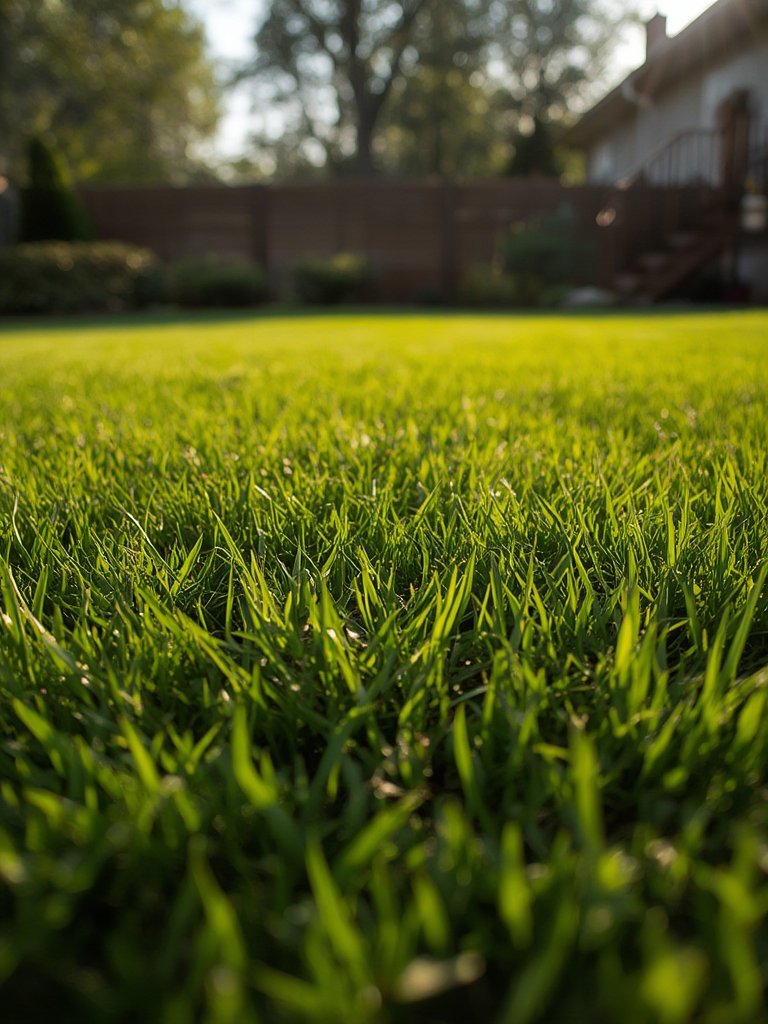
When you’re facing a killed lawn with weed killer, the most effective solution is rarely a quick fix—plan on removing the damage, testing and amending the soil, and restoring your turf properly. Prevention in the future means reading labels closely, accounting for weather and soil conditions, and cleaning equipment carefully after every use. A deliberate, science-backed approach gives you your best shot at a strong, green comeback.
Tackle your recovery today and make a plan for future prevention. Need ideas to improve curb appeal after your new lawn grows? Explore proven home improvement trends or see how the right home improvement tools can help you master DIY recovery projects around your home.
If you have unique challenges, consider speaking to a local extension agent or garden professional before investing in new seed or soil. Your patience now ensures your next lawn stays lush for years to come.
Frequently Asked Questions
Can a lawn killed with weed killer ever recover on its own?
No, if grass is completely dead due to a potent herbicide like glyphosate or an overdose of lawn weed killer, it will not regrow. Some selective products might allow for partial recovery if application rates were low, but full kill typically requires reseeding or resodding.
How do I know if my soil is still contaminated after weed killer damage?
Only a laboratory soil test that screens for specific herbicide residues can tell if your soil is safe. If unknown herbicides or long-lasting chemicals like picloram are possible, a test is recommended before planting new grass.
Are there any organic or natural ways to speed up remediation after herbicide damage?
No proven methods exist that reliably reverse or neutralize major herbicide damage instantly. Some homeowners use activated carbon soil amendments and compost to help break down chemical residues, but this is not guaranteed to work for all herbicides.
What is the safest way to remove and dispose of dead grass and soil after a killed lawn with weed killer?
Bag up all affected grass, roots, and several inches of topsoil if residues are suspected. Dispose of according to your local community regulations, especially if toxic herbicides were used. Do not compost contaminated grass or soil.
How quickly can I reseed or resod after removing a herbicide-killed lawn?
If a soil test confirms no lingering herbicide residues, you can reseed or resod immediately. If in doubt, wait several weeks and perform a simple “bioassay” test by planting a handful of fast-germinating seeds and checking for normal growth first.