

Energy efficient home upgrades are one of the most powerful ways to cut utility costs, earn major rebates, and boost property value in 2024. But are those sky-high savings and incentives all they seem? This guide breaks down the real numbers, steps, potential headaches, and smart shortcuts you will not find elsewhere.
Key Takeaways
- Energy efficient home upgrades can reduce annual energy bills by up to 20% and unlock thousands in tax credits and rebates.
- Insulation and efficient windows offer the highest ROI but require careful installation and realistic expectations.
- Understanding 2024 incentives, maintenance needs, and common pitfalls ensures real savings, not just “promised” ones.
- What Are Energy Efficient Home Upgrades and Why Do They Matter?
- How to Plan and Complete Energy Efficient Home Upgrades (Step-by-Step)
- Advanced Analysis & Common Pitfalls (What Most Homeowners Miss)
- Conclusion: Are Energy Efficient Upgrades Worth It in 2024?
- Frequently Asked Questions
What Are Energy Efficient Home Upgrades and Why Do They Matter?
Energy efficient home upgrades are targeted improvements—like modern insulation, high-performance windows, and air sealing—designed to reduce wasted energy and lower your monthly bills. In 2024, these upgrades have become top priorities not just for green living, but for household budgets and resale value as well.
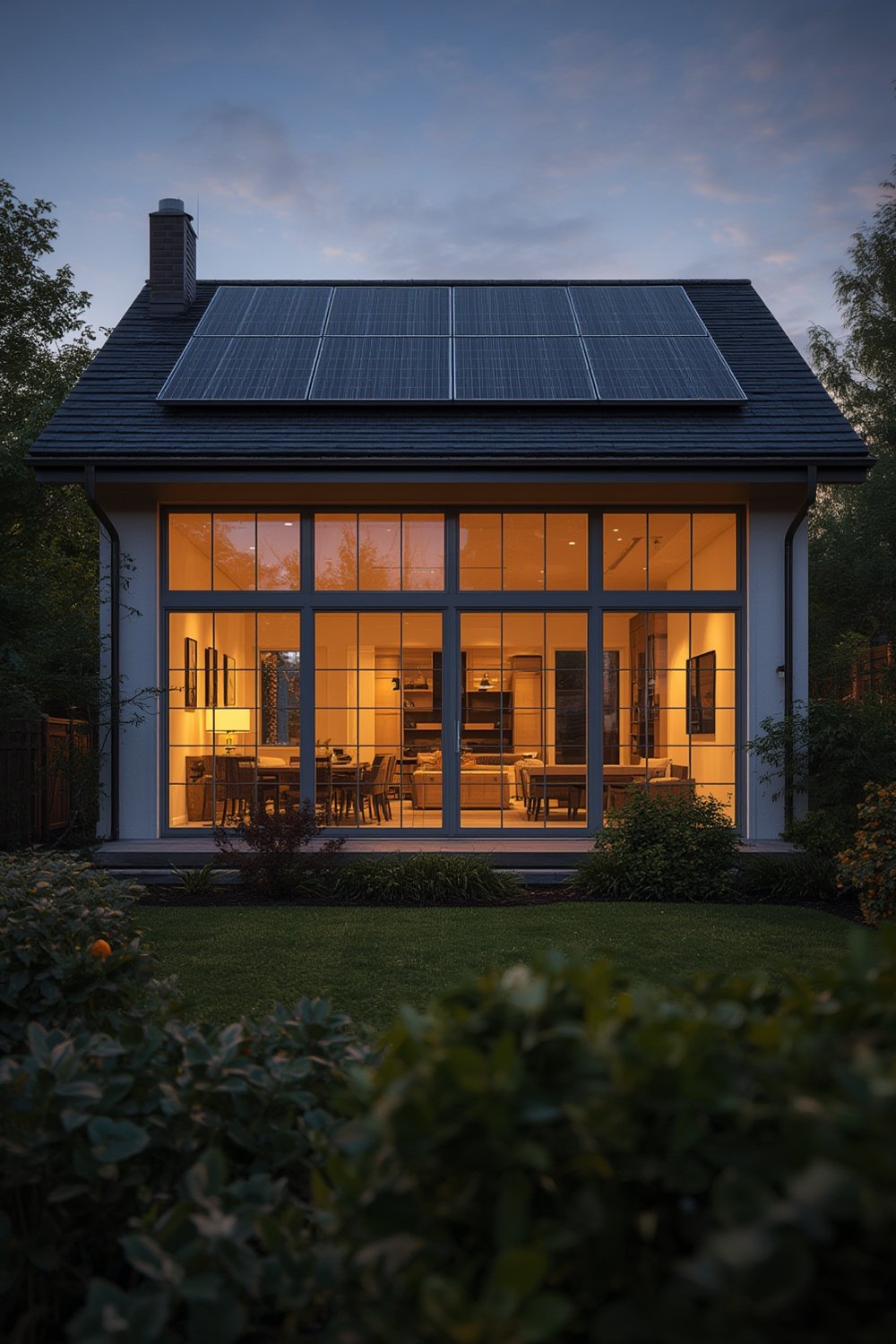
According to the latest Treasury Department data, more than 3.4 million U.S. households claimed $8.4 billion in tax credits for clean energy and energy efficiency upgrades in early 2024 alone (source). Upgrades like insulation and ENERGY STAR windows routinely cut home energy bills by 10 to 20 percent, or about $400 per year for the average home (source).
The need for efficiency is real. With energy prices rising, proper upgrades offer two advantages: a quick return on investment and protection against unpredictable energy hikes. They can even make your home more attractive to buyers—homes with quality insulation see up to 107% ROI upon resale, according to EPA estimates (source).
How to Plan and Complete Energy Efficient Home Upgrades (Step-by-Step)
The path to a more energy efficient home does not have to be overwhelming. Here is a step-by-step guide any homeowner can follow—even if you are not a DIY expert.
-
Book a Professional Home Energy Audit
- Ask your energy provider if they offer audits at a reduced rate or free. These pinpoint weaknesses in insulation, windows, and air seals.
- The audit report will uncover if you’re losing energy through the attic, basement, doors, or windows.
-
Prioritize Your Biggest Leaks First
- Start with attic and wall insulation or whole-home air sealing—often the fastest ways to slash heating and cooling bills by up to 20% in cold regions.
- If your windows are single-pane or drafty, replacing them with ENERGY STAR-rated units can cut bills by 12% nationwide.
-
Apply for Federal, State, and Local Rebates
- Federal tax credits can cover up to 30% of project costs through the Inflation Reduction Act (see official update).
- States like Massachusetts offer direct rebates of up to $4,000 for replacing old windows achieving at least 35% reduction in energy use (see program).
-
Choose Materials and Contractors Carefully
- Favor contractors with strong reviews and clear warranty policies. For insulation, higher R-values deliver better performance; for windows, look for lower U-factors and justified SHGC ratings for your climate.
- Get at least three quotes. This saves money and increases leverage for getting the best materials.
For choosing a reliable contractor, check out Contractor For Home Improvement: 7 Best Ways to Boost Your Home’s Value (Proven Guide).
-
Install and Inspect
- After installation, schedule a post-upgrade audit to confirm you’re actually achieving the expected energy savings.
- Keep records of invoices and materials for rebate processing and future buyers.
-
Maintain for Longevity
- Annually check seals around windows and doors. Insulation typically lasts decades if kept dry; windows usually perform for 20 years or more.
- Re-inspect after storms or if utility bills creep up unexpectedly.
For more on keeping upgrades at their best, you might like Home Improvement Tools: 7 Best Ways to Master DIY Projects.
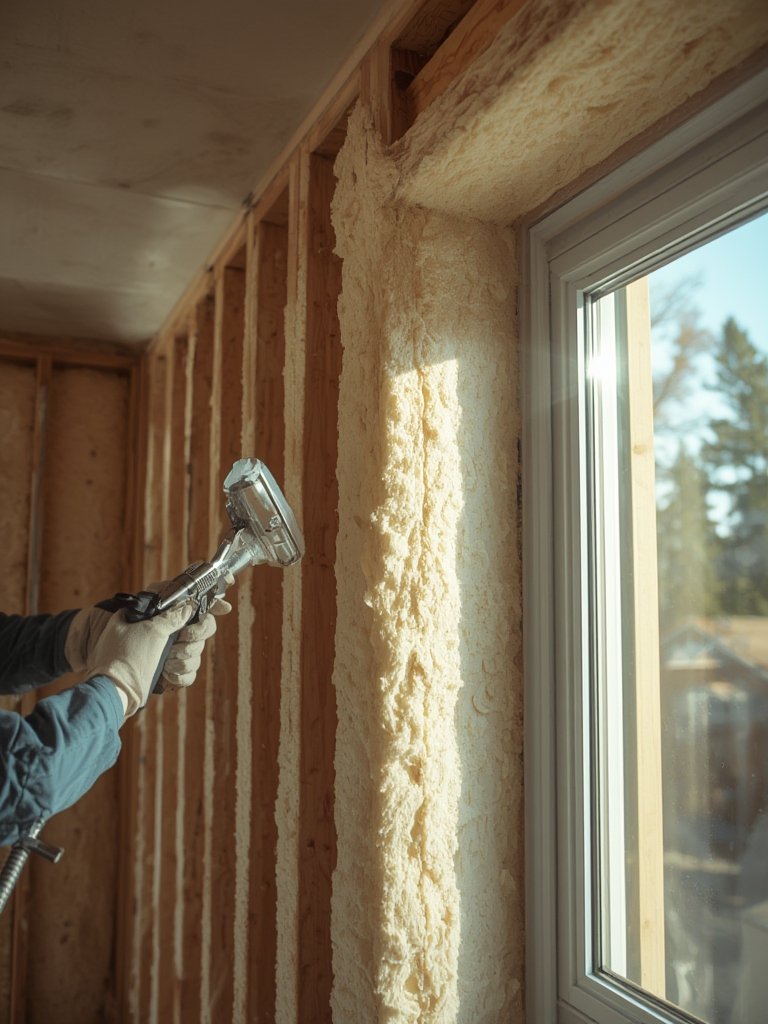
If you want a guide to merging efficiency upgrades with style, check out DIY Home Decor: 7 Amazing Ways to Boost Home Value (Proven Guide).
Advanced Analysis & Common Pitfalls (What Most Homeowners Miss)
Upgrading for energy efficiency makes sense on paper. But it is easy to overlook the real-world snags—including delays, false promises, or costly errors. Here are the facts based on the latest data:
| Upgrade | Estimated Bill Savings | ROI | Installation Pitfalls | Maintenance Issues |
|---|---|---|---|---|
| Insulation & Air Sealing | 10–20% annually | Up to 107% at resale | Poor air sealing, insufficient coverage, moisture risk | Minimal if dry, hidden issues can go unnoticed |
| Energy Efficient Windows | ~12% annually | High if replacing single-pane | Incorrect sizing, subpar flashing, misleading glass ratings | Seal failure, condensation, latches wear |
| Whole-Home Weatherization | 15–20% annually (per EPA) | High—depends on project scope | Inadequate prep, disruption, installer oversight | Filters and seals need checks yearly |
- Rebates in 2024 are “first come, first served.” Once annual funding runs dry, incentives pause until the following budget cycle. Apply early—especially for state programs like Mass Save that distributed $961 million in 2024 alone (source).
- Installation quality is everything. Many realized savings fall short when contractors rush through attic insulation or skip critical air sealing. Always ask about training, guarantees, and insulation coverage depths. For tips on project planning, see Home Remodeling Near Me: 7 Best Ways to Maximize Value (Proven Guide).
- Estimated paybacks depend on your local climate, existing efficiency, and energy rates. The fastest paybacks are found in regions with extreme temperatures or very old windows/insulation, while milder climates or partially upgraded homes see slower returns.
- Maintenance can be overlooked but is vital. For windows, periodic checks prevent costly seal failures and fogging. Insulation rarely needs intervention unless leaks or pests disturb it.
- Product ratings matter but are rarely explained in marketing. Aim for high R-value insulation for your region (R-38 in attics for northern states); for windows, a U-factor of 0.25 or lower is ideal for cold climates, and SHGC in the 0.25-0.40 range helps manage solar gain.
- Stack upgrades for maximum effect. Pairing insulation with window upgrades multiplies the total impact and helps you qualify for larger rebates in one season.
For those interested in smart devices to add even more efficiency, see Smart Home Upgrades: 9 Best Ways To Save Energy (Proven Guide).

Conclusion: Are Energy Efficient Upgrades Worth It in 2024?
With major tax credits, rising energy costs, and stronger consumer incentives than ever, energy efficient home upgrades are a smart move for 2024. Just remember—success comes from more than installing insulation or new windows. Audit first, prioritize leaks, choose smart materials, and above all, avoid “shortcut” installations.
With smart planning and regular maintenance, the savings on your bills, the boost in your home’s value, and the power of today’s rebates justify the initial investment. If you want to ensure your energy efficient home upgrades deliver as promised, act now while incentives are at their peak. Start by booking a home energy audit, and be sure to check current rebates in your area.
Ready to start your upgrade journey? Get more expoert value-boosting tips and project ideas in Home Improvement Trends: 7 Amazing Ways to Boost Resale Value (Proven Guide).
Frequently Asked Questions
How much can I really save every year with energy efficient home upgrades?
Typical savings range from 10%–20% of your annual bill, depending on your home’s age, climate, and which upgrades you choose. For the U.S. average, that’s about $200–$400 each year just with insulation and windows.
What are the biggest risks or downsides of these upgrades?
The most common issues are poor installation, missed air leaks, and exaggerated savings promises from contractors. To avoid these, use reputable installers, ask for post-upgrade audits, and keep all receipts for warranty and rebates.
Are 2024 rebates and tax credits still available?
Yes. As of June 2024, federal Inflation Reduction Act credits and major state-level programs like Mass Save are both active. Apply as soon as possible because rebates often run out mid-year in high-demand areas.
How long do insulation upgrades and energy efficient windows last?
Quality insulation can last 30 years or more if kept dry and undisturbed. Energy efficient windows generally last 20–25 years before seals or frames require attention.
How can I make sure I’m getting the best ROI from my upgrades?
Audit first, upgrade what matters most for your region (usually attic and windows), stack projects to maximize rebates, and perform small annual maintenance. For best results, review guides on Home Improvement Trends and essential DIY tools.