

Home improvement tools are the engine behind every successful DIY project, repair, or home upgrade. In 2024, the explosion of cordless technology, bundled starter kits, and smarter specialty tools means that choosing the right set isn’t as simple as picking the cheapest drill. This guide dives deep into home improvement tools—what works, what to avoid, and which products truly deliver for both beginners and seasoned homeowners.
Key Takeaways
- Cordless and multi-function power tools dominate the 2024 market, but not all are essential for beginners.
- Tool kit prices and features vary widely, so knowing what you need before you buy saves money and headaches.
- Critical data like recall rates, battery compatibility, and durability are often missing from even top-ranked tool guides.
- What Are Home Improvement Tools and Why Are They Essential?
- How to Select the Best Home Improvement Tools for Your Needs
- Common Pitfalls, Advanced Analysis, and What Competitors Miss
- Conclusion
- Frequently Asked Questions
What Are Home Improvement Tools and Why Are They Essential?
Home improvement tools include everything from hand tools like screwdrivers and hammers to cordless power tools such as drills, laser measures, and multi-function oscillating kits. Having the right equipment allows you to tackle repairs, upgrades, or creative projects efficiently and safely. In 2024, cordless power tools—especially drills, impact wrenches, and multi-function oscillating kits—dominate sales and fill starter kits because they’re portable, easy to use, and versatile enough for most household needs.
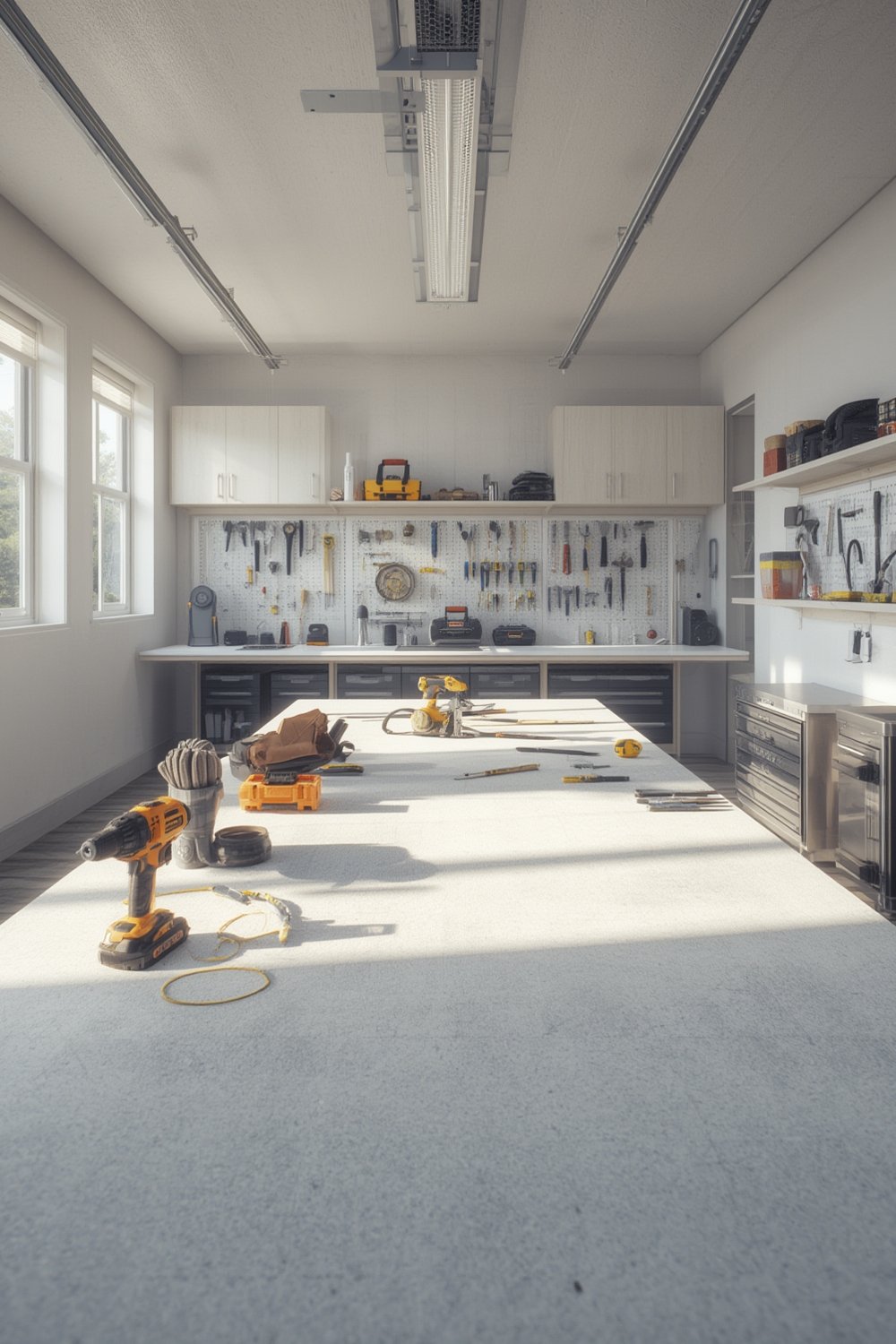
At the entry level, a well-chosen tool kit lets beginners handle 90% of common home fixes, while more advanced tools support reno projects like those featured in our guide to 2024 home improvement trends. The surge in cordless technology—now including 12V, 18V, 24V, and even 40V options—has made even advanced tasks accessible for non-pros. Meanwhile, brand innovation (like Flex’s rise in the US market) and better ergonomics set apart the latest models.
Still, not every tool is a must, and the sheer number of choices leads many homeowners to buy more—or less—than they really need. Knowing the essential versus optional tools is the first step toward a smarter, more efficient toolkit.
How to Select the Best Home Improvement Tools for Your Needs
Instead of grabbing the first tool set you see online, follow these stepwise strategies to invest wisely in home improvement tools—and avoid costly mistakes.
-
List Your Project Needs
Make a list of likely projects (furniture assembly, picture hanging, minor plumbing, etc.). This determines whether you need just a starter kit or extra specialty power tools. -
Start with the Essentials
For most beginners, choose:- Cordless drill (between 12V and 20V)
- Hand tools: screwdriver set, pliers, adjustable wrench, hammer
- Level (bubble or laser)
- Measuring tools: tape measure, possibly a laser measure for precision
Starter kits like the Amazon Basics 173-Piece Home Tool Kit ($69) or the Workpro 322-piece kit ($112) cover the basics affordably.
-
Decide on Power Platform
If you plan to buy multiple cordless tools, stick to one battery system (e.g., 18V or 20V from a single brand). Battery compatibility saves money long-term and simplifies charging. -
Evaluate Kit Components vs. Single Tool Buys
Entry-level combo kits like the Makita XT614SX1 6-piece combo ($312) often bundle drills, saws, and drivers at a discount—but check if all tools will truly get used. -
Look for Innovation and Ergonomics
Features like brushless motors (for longer battery life), lightweight designs, and laser guides improve project results and comfort. The ACEGMET Laser Measure ($23.53) is a top seller for a reason: fast, accurate, and portable. -
Compare Warranty and Support
Major brands (Makita, Milwaukee, DeWalt) usually offer better customer service and return policies than little-known brands. Check reviews for customer support responsiveness. -
Skip Seasonal Gimmicks—But Hunt for Value
Most 2024 deals are “everyday” pricing, but keep an eye on bundles. The Ridgid R48630 track saw ($449 with guide) is a rare example of high-value inclusion with purchase.
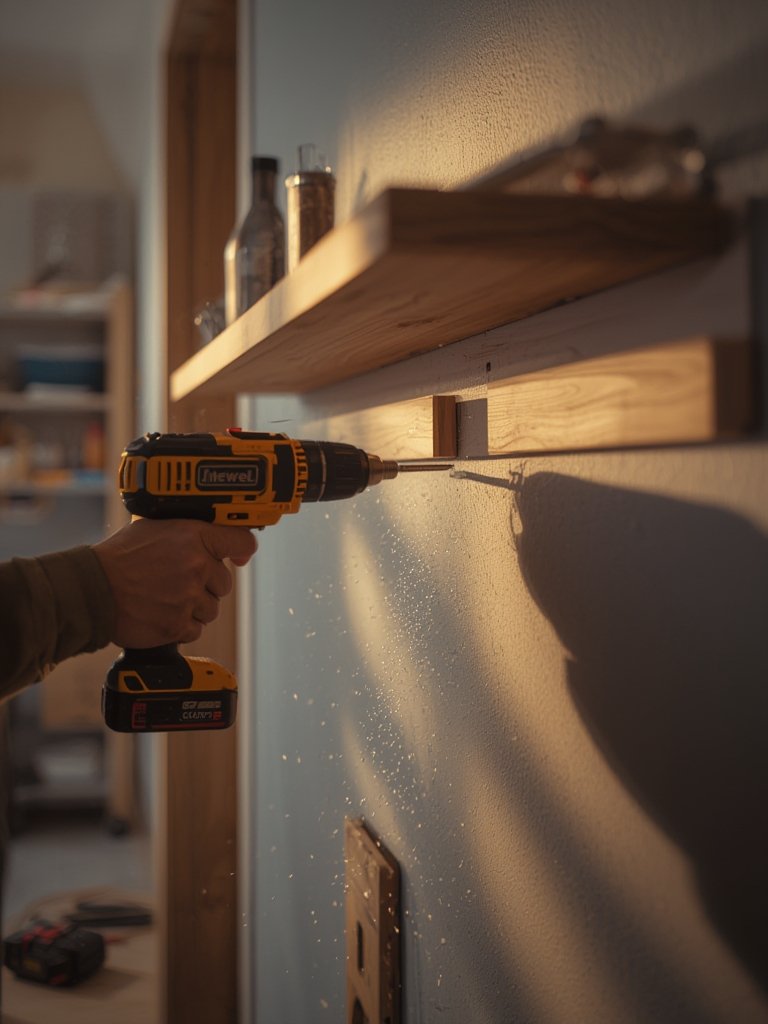
Consider future upgrades if your interests align with project guides such as DIY wall art creation or tackling value-boosting renovations found in our contractor hiring guide.
Advanced buyers might seek higher voltage (24V/36V) tools or oscillating kits for tougher jobs, but these aren’t necessary for basic repairs.
Common Pitfalls, Advanced Analysis, and What Competitors Miss
Navigating the tool aisle—or dozens of online listings—can trip up even tech-savvy shoppers. Here are real-world pitfalls to avoid, plus a comparative look at leading 2024 tool kits and their pricing.
| Tool / Kit Name | Core Components | Retail Price (2024) | Strengths | Potential Issues |
|---|---|---|---|---|
| Amazon Basics 173-Piece Home Tool Kit | Hand tools, basic screwdriver and pliers, tape measure | $69 | Best budget starter kit, covers 90% of minor repairs | Weak case durability, basic quality |
| Black+Decker LDX120PK Drill & Tool Kit | 12V cordless drill, 68 hand tools and accessories | $99.90 | Value for new homeowners, balance of power and tools | Low torque drill, not for heavy use |
| Workpro 322-Piece Home Tool Kit | Broad assortment, more sockets and specialty bits | $112 | All-in-one size for hobbyists | Quality control varies by batch |
| Makita XT614SX1 6-Piece 18V Cordless Combo | Drill, impact driver, saws, charger, 2x batteries | $312 | True pro entry-level, proven reliability, platform growth | High upfront price, advanced features unnecessary for many |
| Flex FX1231-1A 24V Hammer Drill | 24V brushless, pro-level DIY/contractor | $189 | Durable, long runtime | Heavy for some; rarely discounted |
Common Pitfalls to Avoid
- Ignoring battery platform compatibility: Mixing brands means extra chargers and batteries. Stick to one system.
- Overbuying specialty tools: Oscillating kits and die grinders are tempting but rarely justified unless you have specific projects.
- Over-relying on bundle promotions: The “more pieces” in a kit, the lower each item’s average quality tends to be—choose essentials over bulk.
- Blind trust in online ratings: Few sites show durability or recall data. Complaints about short-lived batteries and missing accessories are common in user reviews, but rarely aggregated publicly.
- Lack of upgrade paths: Cheap kits save money now but can’t be expanded or upgraded down the line—costing more in the long run.
If you’re weighing professional help for a remodel, also see our internal guide on choosing local remodelers or explore budget-boosting DIY home decor projects.

Conclusion
From basic repairs to creative makeovers, selecting the right home improvement tools in 2024 means balancing value, quality, and practical fit for your project needs. Stick to essential tools and a compatible battery system, research real user feedback, and don’t be fooled by flashy bundles. Your toolkit should grow with your skills—and so should your ambition. Ready to start your first project? Explore top-rated tool recommendations, then put your new gear to work.
Frequently Asked Questions
What are the must-have home improvement tools for beginners?
A beginner should have a quality cordless drill (12V or 20V), a set of screwdrivers, pliers, an adjustable wrench, a hammer, a level, and a tape measure. This covers nearly all simple repairs and assembly tasks.
Should I buy a tool kit or individual tools?
If you’re just starting, a kit offers the best value and covers most minor needs. Upgrade to individual, higher-quality tools over time as projects become more complex.
Are higher voltage cordless tools always better?
Not always. Higher voltage tools (24V, 36V, 40V) deliver more power, but for basic home tasks, 12V to 20V tools are lighter, cheaper, and easier to handle.
What features matter most for safety and durability?
Look for tools with overload protection, brushless motors (for cordless tools), and reputable brand warranties. Ergonomic grips, balanced weight, and tool certifications also reduce risk of strain and accidents.
How can I save money on home improvement tools in 2024?
Choose kits with essential tools, stick to one battery brand, look for everyday deals rather than waiting for holiday sales, and consider borrowing or renting specialty tools. Always check warranty and customer service policies.
—