

DIY wall art is quickly becoming one of the top ways homeowners personalize their space, save money, and add unique character to any room—without hiring a professional. In 2024, modern materials, social media trends, and the creative urge to craft are driving DIY wall art to new heights. Here’s exactly how to get started, avoid common mistakes, and create art you’ll actually love hanging up.
Key Takeaways
- DIY wall art is booming, with the global wall art market estimated at over $62 billion in 2024, thanks to strong DIY and home design trends. (Source)
- Natural fiber wall hangings, wallpapers, and sticker-based designs are trending among millennials and Gen Z for accessible and customizable decor.
- While making your own art is rewarding, first-timers often face practical challenges: layout mistakes, supply safety, and time management.
- The Core Concept: Why DIY Wall Art?
- Step-by-Step Guide: How to Create DIY Wall Art That Looks Professional
- Advanced Analysis & Common Pitfalls
- Conclusion: Making Your DIY Wall Art Count
- FAQ
The Core Concept: Why DIY Wall Art?
DIY wall art is more than just a weekend hobby. It’s an accessible way to personalize any space, increase the perceived value of your home, and tap into the growing global trend for hands-on, individualized decor. According to market research, the global wall art industry reached $62.5 billion in 2024, with 39% of U.S. home improvements now done by DIYers (Polaris Study). Social media has only accelerated this, with Instagram and Pinterest inspiring millions to try painting, weaving, or upcycling materials into unique wall displays.
Personalized DIY art doesn’t just look good—it’s often a smart investment. Whether you’re planning to sell your property or just want a space that feels uniquely yours, incorporating modern wall art projects boosts visual appeal without the high price tag of designer decor. For more on how simple home upgrades can directly influence property value, check out this deep dive on Home Improvement Trends.
What’s trending in 2024? Woven wall hangings using natural fiber yarn like wool and cotton are leading the pack, particularly for bohemian and cozy interiors. Wallpapers and peel-and-stick coverings are also on the rise—searches jumped 50% on U.S. search engines pre-2020 according to industry data—and they continue to dominate younger demographics looking for budget-friendly, reversible options.
Step-by-Step Guide: How to Create DIY Wall Art That Looks Professional
Ready to make your own wall feature? Here’s how to craft a standout piece, from beginner-friendly ideas to more advanced designs. This guide focuses on a natural fiber hanging, but the same process applies to painted canvases, collage art, and upcycled materials.
Step 1: Choose Your Wall and Style
Identify the wall that needs a refresh. Decide on style: bohemian, modern, geometric, or vintage. Look at social media or DIY home decor guides for inspiration.
Step 2: Gather Materials
- For woven wall art: Natural fiber yarn (wool, cotton, or linen), a wooden dowel, scissors, and a large-eye needle.
- For canvas or paint: Blank canvas, acrylic paints, painter’s tape, brushes, and hanging hardware.
- Optional: Glue, stencils, fabric scraps, wall-safe adhesives.
Step 3: Plan Your Layout
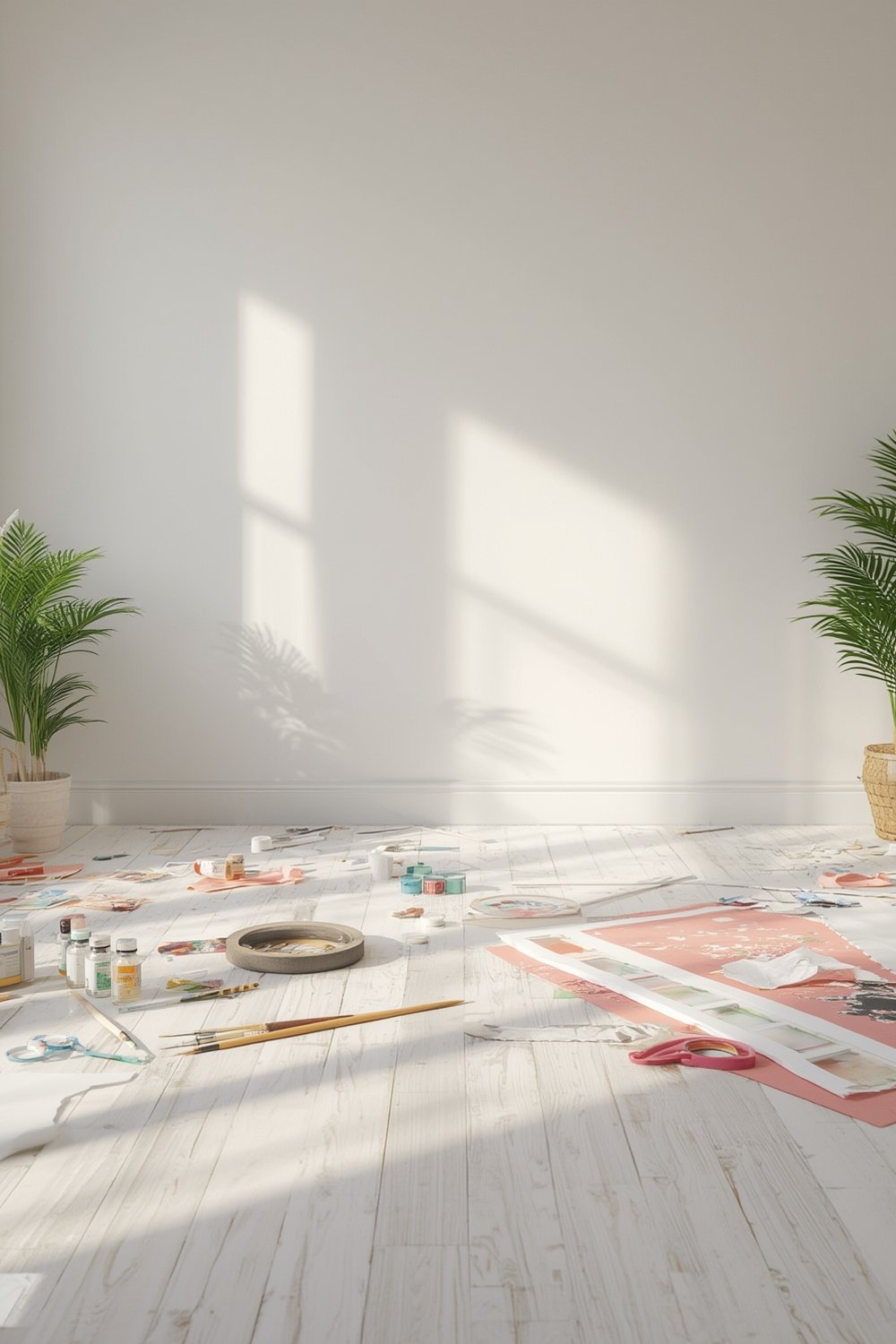
Sketch a quick plan on paper or lay out the materials on the floor. This step prevents mistakes like poor sizing or imbalanced design.
Step 4: Create Your Art
- Weaving: Tie and weave your fibers around the dowel, alternating colors and textures for depth.
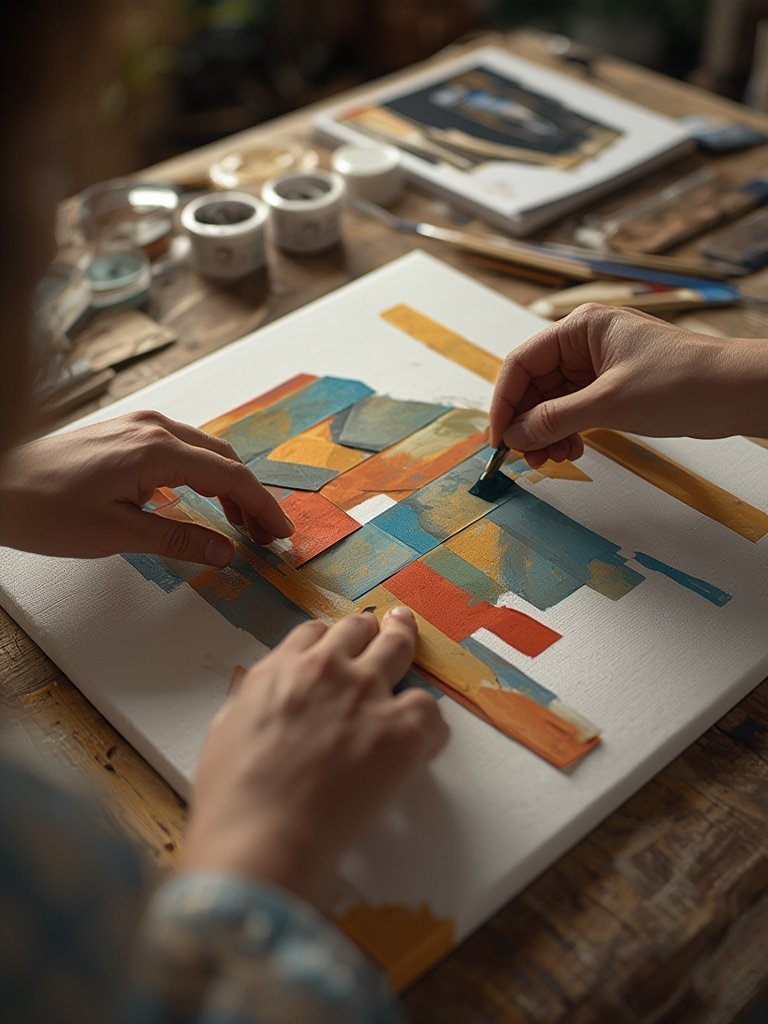
- Painting: Use painter’s tape for geometric patterns and layer your colors for richness. Let each layer dry before adding the next.
- Collage: Layer papers or fabric scraps, securing with glue, then mount to a backing board or canvas.
Step 5: Hang and Style
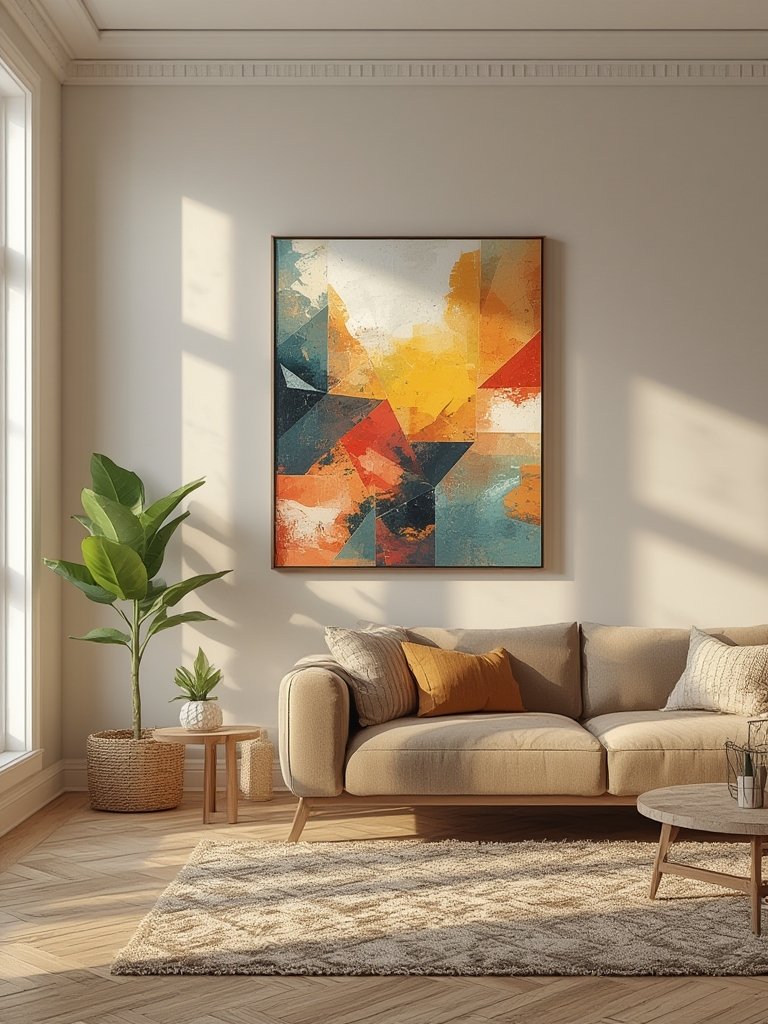
Use a level to ensure your piece is straight. For gallery walls, keep 2-3 inches of space between each piece, and align artwork centers at roughly 57-60 inches from the floor—eye level for most adults.
If you’re tackling a larger remodel or want to coordinate with contractors, brushing up on how to vet home improvement professionals can help blend your DIY with broader home upgrades.
Step 6: Finishing Touches
Add LED lighting, floating shelves, or decorative hooks for extra impact. Remember to check wall weight ratings before hanging heavy art.
Advanced Analysis & Common Pitfalls
Even simple DIY wall art projects have hidden challenges that can derail your progress. Here’s what frequently trips up beginners (and pros), plus some honest advice on what to expect.
| Problem | Why It Happens | How to Avoid |
|---|---|---|
| Wrong art size for wall | Skipping measurement or planning phase | Always measure wall area and outline size with painter’s tape before starting |
| Crooked or unbalanced gallery layouts | No template or layout sketch | Research gallery wall formulas or use printable templates |
| Art won’t stay on wall | Using adhesives not designed for wall weight or finish | Check package for maximum weight support and test adhesives on a small spot first |
| Supplies stain or damage walls | Using strong glues, non-removable hook-and-loop tape, or oily paints | Opt for removable, wall-safe products and test first |
| Safety hazards | Improper use of scissors, cutters, or strong adhesives | Wear gloves and work on a stable surface; keep sharp tools away from kids |
For more budget and project scope tips, see our roundup on home remodeling near me to plan larger projects.
Trends are fun, but don’t overlook practical issues. Natural fiber art looks beautiful but can be time-intensive. Peel-and-stick decor is quick but might not stick on textured walls. Many beginners also underestimate drying times for paints, which results in smudged layers or attract dust.
Conclusion: Making Your DIY Wall Art Count
DIY wall art offers a fast, affordable, and deeply personal way to transform your living space. As trends favor woven textiles, bold stickers, and unique upcycled designs, there’s never been more opportunity to showcase your creativity. Plan your project carefully, use the right materials, and don’t skip the finishing touches—and your DIY wall art will look like it came straight from a modern design studio.
Ready to level up your whole home? Get more hands-on ideas in our essential guide to DIY home decor.
Start your project this weekend: measure your wall, pick your materials, and share your results!
FAQ
What are the cheapest DIY wall art ideas for beginners?
Printable quotes, painted canvases using leftover house paint, and fabric swatch collages are all affordable choices. Most projects can be completed for under $20 if you repurpose materials.
How do I remove DIY wall decor without damaging my wall?
Use adhesives labeled “removable” or “damage-free.” Warm up sticky residue with a hairdryer for easier removal. Always test in a small corner first.
Can DIY wall art add value to my home?
Absolutely. Professionally styled or unique DIY pieces can make your space stand out in real estate photos and open houses. For maximum impact, choose on-trend designs and coordinate with the room’s color palette. See more on home value in our Home Improvement Trends guide.
Is it better to use nails or adhesives to hang art?
For heavier art (over 2-3 pounds), nails or wall anchors are more secure. For lightweight art, removable adhesives work well and won’t damage the wall if installed correctly.
What’s the easiest way to make a DIY gallery wall?
Cut out paper templates in the size of each frame or artwork, tape them to the wall, and rearrange until you like the layout. Then, hang each piece using the marked spots.