

### Blog Post:
DIY home decor is more than a budget trend—it’s a practical way to make your space truly your own, save money, and even boost resale value. If you want a clear, realistic guide that shows you what works (and what doesn’t), you’re in the right place.
Key Takeaways
- The average American spends $1,599 a year on home decor, and DIY options remain popular due to affordability and customization.
- Big DIY wins include quick wall art, furniture upcycling, and eco-friendly upgrades using accessible materials.
- Beginner mistakes are common—successful projects require simple, proven strategies and the right tools from the start.
- The Core Concept: What is DIY Home Decor and Why Does It Matter?
- Step-by-Step Guide: How to Start DIY Home Decor (And Actually Finish)
- Advanced Analysis & Common Pitfalls: What to Know Before You Begin
- Conclusion
- FAQ
The Core Concept: What is DIY Home Decor and Why Does It Matter?
DIY home decor means creating, customizing, and refreshing your living spaces with your own hands, not just following cookie-cutter trends from big-box stores. It’s how you make your house reflect your personality—without spending a fortune.
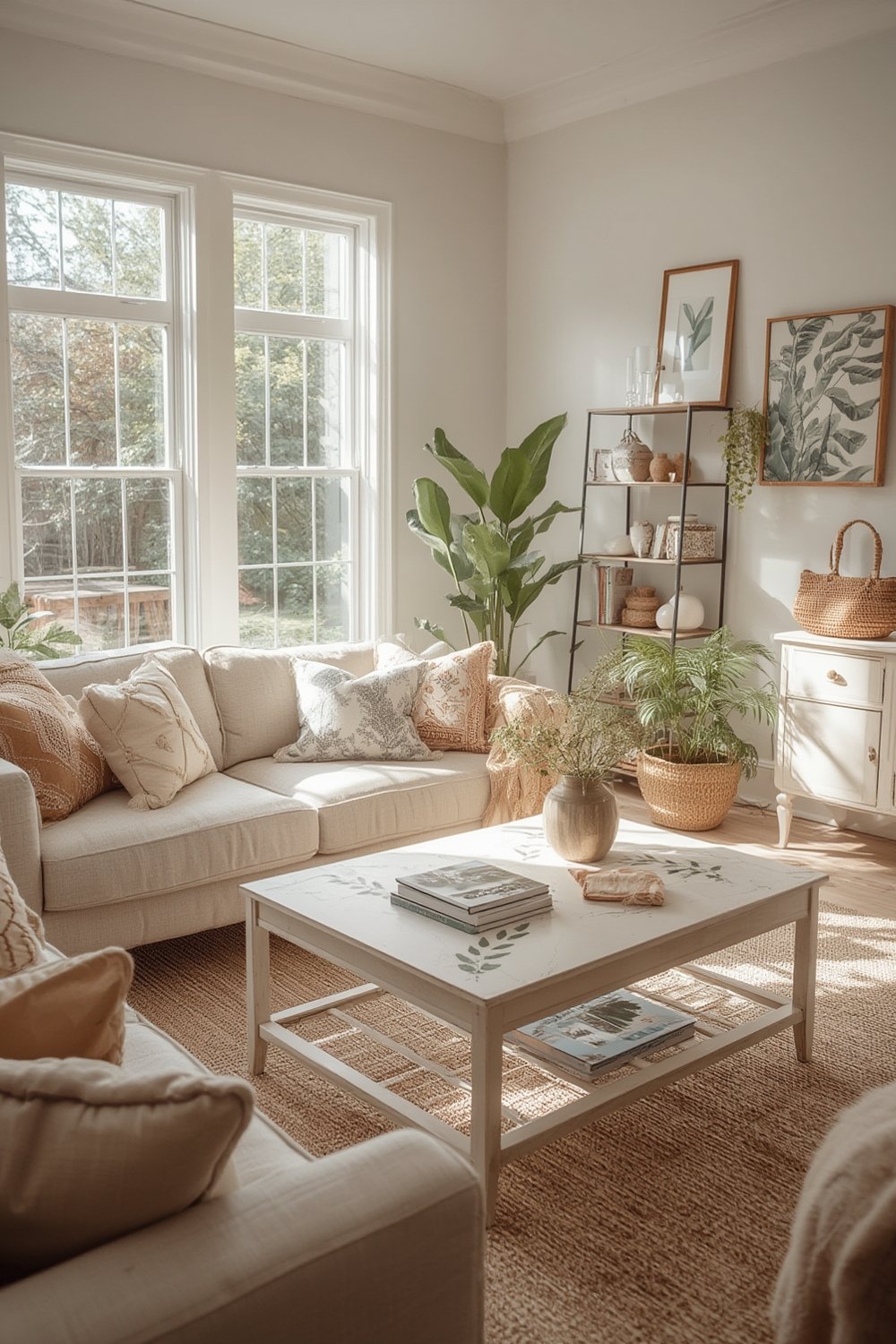
Why does this matter in 2024? According to a recent industry report, Americans spend around $1,599 a year on home decor—evidence that personalization is a growing priority. Millennials are leading the way, and DIY projects let people stand out without wrecking their budget. The rise of sustainability, personalization, and easy availability of eco-friendly products are fueling massive DIY market growth (source).
It’s not just about style: simple upgrades like DIY wall art or upcycled furniture can actually boost your home’s resale value without the headaches of major renovations.
Step-by-Step Guide: How to Start DIY Home Decor (And Actually Finish)
Ready to jump in? Here’s a realistic, battle-tested process for any beginner. It cuts out the guesswork, so you finish what you start—and avoid wasting money along the way.
Step 1: Choose the Right Project for Your Skill Level
- Wall Art: Start with framed prints, stenciled canvases, or stick-on decals. Even renters can use these without risking their deposits.
- Furniture upcycling: Use chalk paint or peel-and-stick veneers—no power tools or carpentry skills needed. Want ideas? Check out budget-friendly renovation guides for inspiration.
- Quick Swaps: Throw pillows, lampshades, and planters can be redecorated with a glue gun and minimal tools.
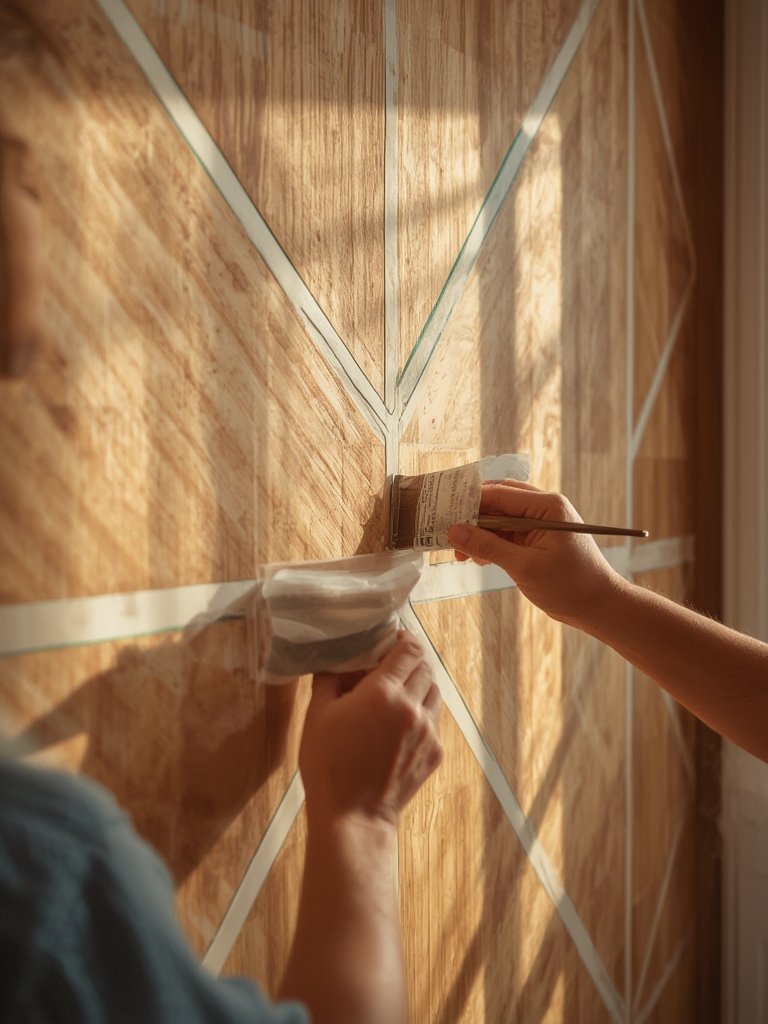
Step 2: Gather Accessible, Beginner-Friendly Materials
- Basic Toolkit: Scissors, cordless drill, level, hot glue gun, masking tape, and screwdrivers.
- Paint Supplies: Low-VOC paints (safer for indoors), foam brushes, stencils.
- Budget Materials: Canvas boards, peel-and-stick wallpaper, thrifted or leftover fabrics, wood crates.
- Fixatives & Fasteners: Command strips, picture-hanging kits, and all-purpose adhesive.
Home centers (where over 42% of decor supplies are sold in 2024 per recent market data) are your best bet for essentials. Prioritize eco-friendly options when available.
Step 3: Follow a Reliable Guide (Not Just Social Media Clips)
- Use step-by-step checklists. Short, viral videos often skip critical details, leading to common mistakes.
- Vet DIY instructions as if you were hiring a contractor—look for clear instructions, supply lists, and before-after photos.
For bigger inspiration, browse industry sources like Fortune Business Insights reports to spot trends before they go mainstream.
Step 4: Apply, Test, and Adjust
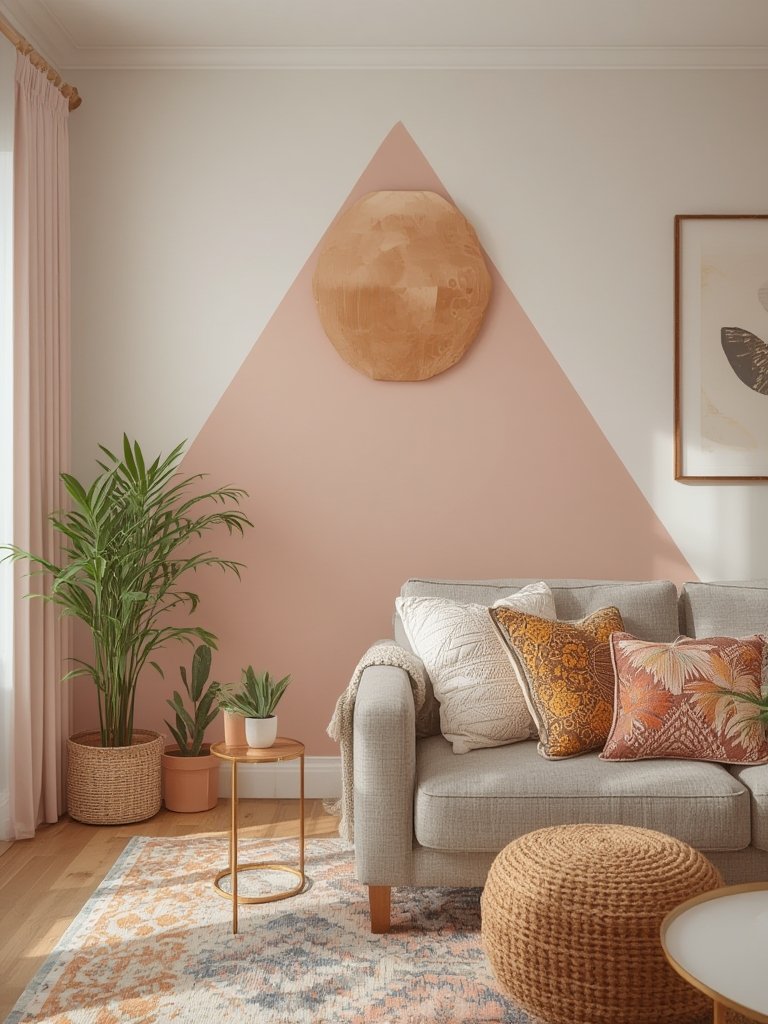
- Always do a small-scale mockup (such as painting behind a sofa) before committing to the full wall.
- Don’t be afraid to tweak plans—DIY lets you rethink as you go.
- Make note of which tools or techniques you liked for future projects.
If you mess up, it’s fixable: a little extra sanding or another coat of paint covers most mistakes.
Step 5: Finishing Touches and Clean-Up
- Let all paints and adhesives cure fully before putting items back in use to avoid smudges or failures.
- Snap before-and-after photos—not just for memory but to spot details you might want to adjust later on.
- If you’re prepping to sell or rent, read this expert value-boosting guide to maximize returns with pro-looking finish work.
Advanced Analysis & Common Pitfalls: What to Know Before You Begin
DIY home decor seems simple online, but real-world projects can trip you up. Here are the most common challenges—and how to sidestep them.
| Common Pitfall | What Really Happens | How to Avoid |
|---|---|---|
| Overbuying Materials | You end up with leftover supplies & wasted money. | Plan exact quantities; buy the smallest pack available. |
| Following Vague Online Tutorials | Missing steps lead to poor results or incomplete projects. | Use detailed guides with images and supply lists. |
| Choosing Projects Beyond Your Skill Level | Project gets abandoned halfway or looks unpolished. | Start small, scale up only when confident. |
| Not Testing Materials or Paint | Peeling, smudging, color mismatch, or bad smells. | Always do patch tests with new products. |
| Messy Installations (e.g., Wall Hangings, Decals) | Crooked artwork or damage to walls/paint. | Measure, mark, and use removable fasteners for renters. |
| Rushing Dry Times | Sticky, smudged, or damaged finishes. | Always follow manufacturer’s dry/cure instructions. |
Another frequent complaint is unclear cost. While there’s little data on project-level spend, industry numbers show you can keep most wall art and accent decor under $50 if you buy smart or use recycled materials. Upcycling larger furniture is pricier but still far below buying new (see more market trends).
For value, it’s smart to pair simple decor updates with larger remodeling projects—the result looks seamless and can increase appeal if you plan to sell soon.
Conclusion
In 2024, even with a basic toolkit and starter budget, you can achieve professional-looking results in your space. The appeal of DIY home decor isn’t just savings—it’s about expressing your personality in every room, block by block. Remember: planning, patience, and realistic guides are your secret weapons. If you’re looking for step-by-step home upgrades or want to boost property value, try combining these projects with expert-backed strategies—start with this proven home improvement trends guide. Ready to begin your DIY home decor journey? Start small, stick with it, and share your progress with a friend for extra motivation.
FAQ
How much does DIY home decor really cost?
On average, Americans spend about $1,599 each year on home decor. Most DIY projects—like wall art or small furniture updates—can be done for under $50 each if you use budget-friendly materials. Larger projects or upcycling might range up to several hundred dollars but are still much cheaper than buying new.
What materials are best for beginner DIY decor?
Start with low-VOC paints, peel-and-stick wallpapers or decals, thrifted fabrics, and ready-to-assemble kits from your local home center. They’re affordable and user-friendly.
Are DIY wall art projects renter-friendly?
Yes. Look for removable adhesives, command strips, and stick-on decals. These allow you to swap out art or move without damaging walls.
What’s the biggest beginner mistake with DIY home decor?
Trying a project that’s too complex or lacking a clear plan. Always match the project to your skill and test new techniques before committing to an entire wall or surface.
How can I add more value to my home with DIY?
Focus on upgrades that are visible and impactful, like refreshed entryways or accent walls. For bigger value, combine DIY projects with strategic renovations—read this guide to maximize value in your area.